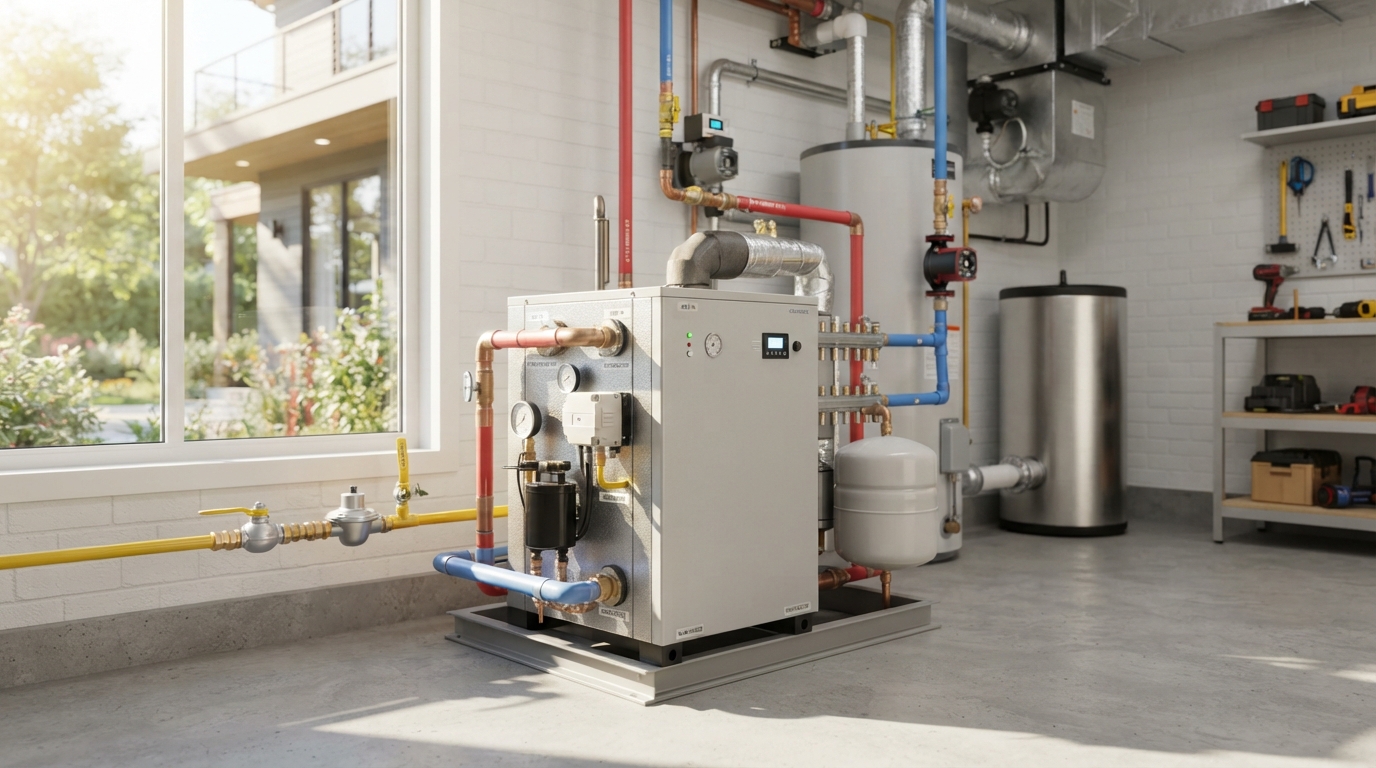
As summer temperatures rise, homeowners are increasingly seeking out efficient cooling options. But is it time to reconsider a technology many thought was outdated? Absorption chillers, driven by gas rather than electricity, are making a notable resurgence. Could these units be the eco-friendly cooling solution for the modern home?
Why This Matters Now
In the wake of rising energy costs and a growing emphasis on sustainable living, homeowners are on the lookout for alternatives to traditional air conditioning systems. According to the U.S. Energy Information Administration, residential electricity prices have risen by nearly 20% over the last decade. As the demand for energy-efficient systems grows, absorption chillers present an intriguing option that could alleviate both financial and environmental pressure.
Expert Perspectives
Perspective: Embracing Innovation
John H. McGowan, an HVAC technician and educator, emphasizes the benefits absorption chillers can offer in the modern energy landscape.
"Absorption chillers use heat as a power source, typically from natural gas, which can be more efficient in certain climates than conventional electric systems. They can help homeowners reduce their overall carbon footprint. The technology isn't new but is being revamped to meet today's standards. As we tackle climate change, technologies like these need to be reconsidered."
McGowan shares, "In many cases, they can be more efficient than traditional electric chillers, especially in areas where electricity prices are high or where natural gas is cheaper. Plus, they can utilize waste heat from power generation or industrial processes."
Perspective: Energy Efficiency vs. Practicality
In contrast, energy analyst Sarah L. O'Brien is cautious about fully endorsing absorption chillers for residential use.
"While absorption chillers can be efficient, their practicality for the average homeowner should be carefully assessed. They usually require more space and come with higher upfront costs compared to conventional systems. Many homeowners may lease or rent units, which can complicate installation and maintenance."
O'Brien stresses the importance of understanding energy consumption holistically: "Homeowners might think they are making a green choice, but if they can't effectively manage spacial or installation challenges, they might need to rethink those decisions. It's not just about purchasing a new system; it's about overall home setup."
Perspective: Navigating Costs and Benefits
HVAC contractor and consultant David R. Thompson presents a more balanced view.
"Absorption chillers are not a one-size-fits-all solution, but they can be quite beneficial in suitable applications, particularly in commercial and larger residential properties. The economics of installation and ongoing operation of these chillers vary widely based on local energy prices, available natural gas sources, and climate conditions."
Thompson notes, "In many parts of the U.S., the cost difference between electricity and natural gas is significant enough that absorption chillers become the more appealing option. However, proper sizing and the initial investment still play critical roles in their viability."
Editorial Synthesis
Where Experts Agree
- Efficiency Potential: All three experts acknowledge that absorption chillers offer potential energy efficiency, especially in regions where natural gas is favorable.
- Environmental Considerations: They agree that reducing reliance on electricity can help lower a home's carbon footprint.
- Installation Challenges: Each expert cites installation challenges related to space and cost as important factors to consider.
Where Experts Disagree
- Practicality for Homeowners: O'Brien believes absorption chillers might be impractical for many residential setups, while McGowan and Thompson see a path forward for innovative applications.
- Market Viability: McGowan and Thompson support the potential demand for absorption chillers, while O'Brien highlights concerns about cost versus benefits for average consumers.
- Long-term ROI: The experts diverge on how quickly homeowners might recoup costs through energy savings, with perspectives ranging from optimistic to cautious.
Why This Matters
The transformation of home cooling systems reflects broader conversations about energy sustainability and efficiency. Absorption chillers may not be the universal solution, but they can occupy an important niche, particularly in energy-conscious households. As climate concerns and energy efficiency continue to take center stage, understanding and exploring technologies like absorption chillers becomes essential.
For homeowners, considering alternative systems could lead to both cost savings and environmental benefits—not just for their own homes, but for the planet as a whole. It's crucial to weigh the advice of experts like McGowan, O'Brien, and Thompson and consider local energy costs and personal needs before making a decision. The question remains: as homeowners strive for sustainable living, are absorption chillers the quiet champions that deserve a revitalized spotlight?
The Voices
John believes that absorption chillers are a viable solution for energy-efficient cooling, especially in homes looking to reduce their carbon footprint. He emphasizes their ability to utilize renewable energy sources, making them an attractive option for sustainable living.
 Energy Analyst
Sarah L. O’Brien
Balanced Insights
Sarah advocates for a balanced view on absorption chillers, acknowledging their benefits while also highlighting the need for proper site assessment. She suggests that while they can be effective, they may not be suitable for all home environments.
 HVAC Contractor & Consultant
David R. Thompson
Skeptic of Mainstream
David argues that while absorption chillers can be efficient, they often require a significant upfront investment and specialized knowledge to install and maintain, which can deter homeowners. He encourages exploration of alternative cooling options that may be more accessible.
Revisiting Absorption Chillers: A Sustainable Future?
Absorption chillers offer potential benefits but require careful evaluation for widespread residential adoption.
References
- Absorption Chillers Energy.gov
- Energy Star Certified Absorption Chillers Energy Star
- Absorption Chillers: A Review of Performance in Energy Systems ASHRAE