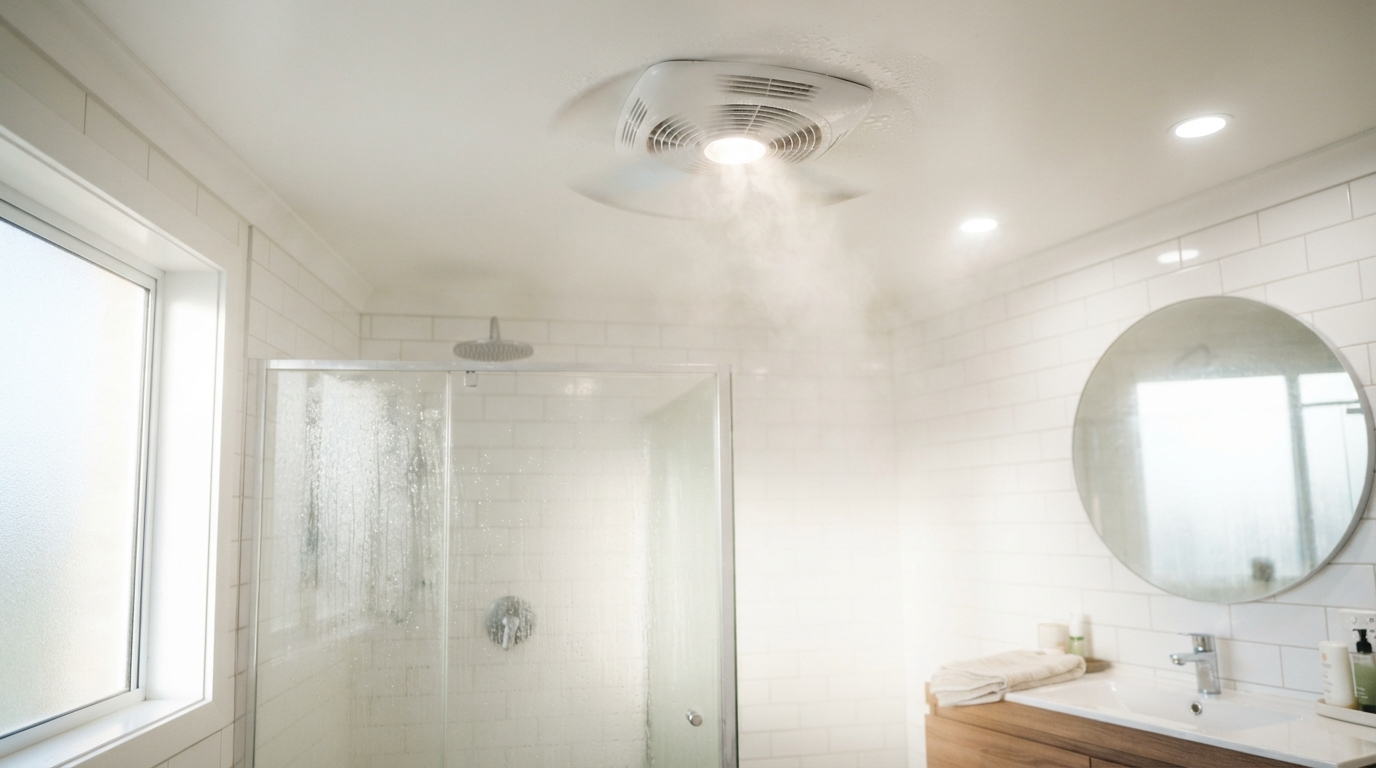
Have you ever turned off your bathroom fan too soon, wondering if you should let it continue running? Many homeowners grapple with the question of how long their bathroom fan should actually run after showers or baths. It may seem like a small detail, but understanding the proper usage of bathroom fans can have significant implications for your home's air quality and energy efficiency.
Why This Matters Now
As homes become more energy-efficient, with tightly sealed windows and enhanced insulation, proper ventilation becomes crucial. Poor ventilation can lead to moisture buildup, resulting in mold growth and structural damage. As we enter a season where many of us switch from air conditioning to heating, understanding how to keep your bathroom well-ventilated can enhance comfort and prevent long-term issues.
Expert Perspectives
Perspective: Jim Hightower, HVAC Technician
Jim Hightower emphasizes that one of the most critical aspects of using bathroom fans is to allow them to run long enough to thoroughly remove moisture from the air. "A common rule is to let the fan run for at least 20-30 minutes after using the shower," he advises. "This ensures that not only the visible moisture is cleared, but also the humidity that can lead to mold growth."
Hightower adds, "Ignoring the fan's duration can lead to costly repairs down the line. Mold removal is much more expensive and labor-intensive than simply running a fan for a while longer."
Perspective: Emily Ramage, Energy Analyst
On the flip side, Emily Ramage offers a different perspective that draws from energy efficiency concerns. "I understand why people want to turn off their fans quickly; no one wants to waste energy. However, running the fan longer than necessary can also mean wasted energy."
Ramage suggests that there are more efficient ways to manage humidity levels without overworking your bathroom fan. "Using a timer or humidity sensor can help regulate how long the fan runs. Ideally, it should be connected to a humidity sensor, so it runs as long as it needs to without excessive energy usage."
Perspective: Mark Smith, Home Inspector
From the standpoint of home inspections, Mark Smith points out, "A well-functioning bathroom fan is a key component of any moisture management system in a home. If it's not running long enough, that can create all kinds of problems, including damage to ceilings and walls."
Smith recommends that homeowners look for indicators of poor ventilation. "If you notice peeling paint or spots on the wall, it may be a sign that your fan isn't running long enough or isn't functioning properly."
Editorial Synthesis
Where Experts Agree
- Running your bathroom fan longer can prevent moisture buildup and mold.
- Proper ventilation is crucial for home health and structural integrity.
- Utilizing smart timers or humidity sensors can optimize fan use.
Where Experts Disagree
- The exact duration for which a fan should run post-shower varies; Hightower recommends 20-30 minutes, while Ramage suggests using sensors for efficiency.
- Ramage is more focused on energy efficiency, whereas Hightower stresses the importance of thorough moisture removal.
Why This Matters
Understanding the right way to operate your bathroom fan can significantly improve the air quality in your home, helping you avoid costly repairs down the line. Installing a high-quality bathroom fan and allowing it to run for the appropriate amount of time can safeguard against the moisture that supports mold growth and other issues.
In today's homes, where energy efficiency is often prioritized, finding a balance between sufficient airflow and energy savings becomes key. Homeowners should take the time to invest in timers or humidity sensors, enabling smarter control of bathroom fans. This will not only enhance comfort but also lead to a healthier living environment.
Next time you step out of the shower, think twice before turning off the fan. The long-term benefits far outweigh the momentary inconvenience. After all, a little extra air circulation can go a long way in maintaining a safe and comfortable home environment.
The Voices
 HVAC Technician
Jim Hightower
Pro Longer Run
HVAC Technician
Jim Hightower
Pro Longer Run
It's crucial for bathroom fans to run longer than most homeowners realize. This helps effectively remove moisture and prevent mold growth, which can save on costly repairs down the line.
 Energy Analyst, CleanPower Research
Mark Smith
Pro Shorter Run
Energy Analyst, CleanPower Research
Mark Smith
Pro Shorter Run
While I agree that ventilation is important, running bathroom fans for too long can lead to unnecessary energy consumption. A well-designed ventilation system should be effective in shorter timeframes.
Balancing Efficiency and Effectiveness in Bathroom Ventilation
Prioritize proper ventilation while being mindful of energy use.
References
- Bathroom Exhaust Fans Energy Star
- Ventilation for Acceptable Indoor Air Quality ASHRAE
- The Best Bathroom Fans Consumer Reports