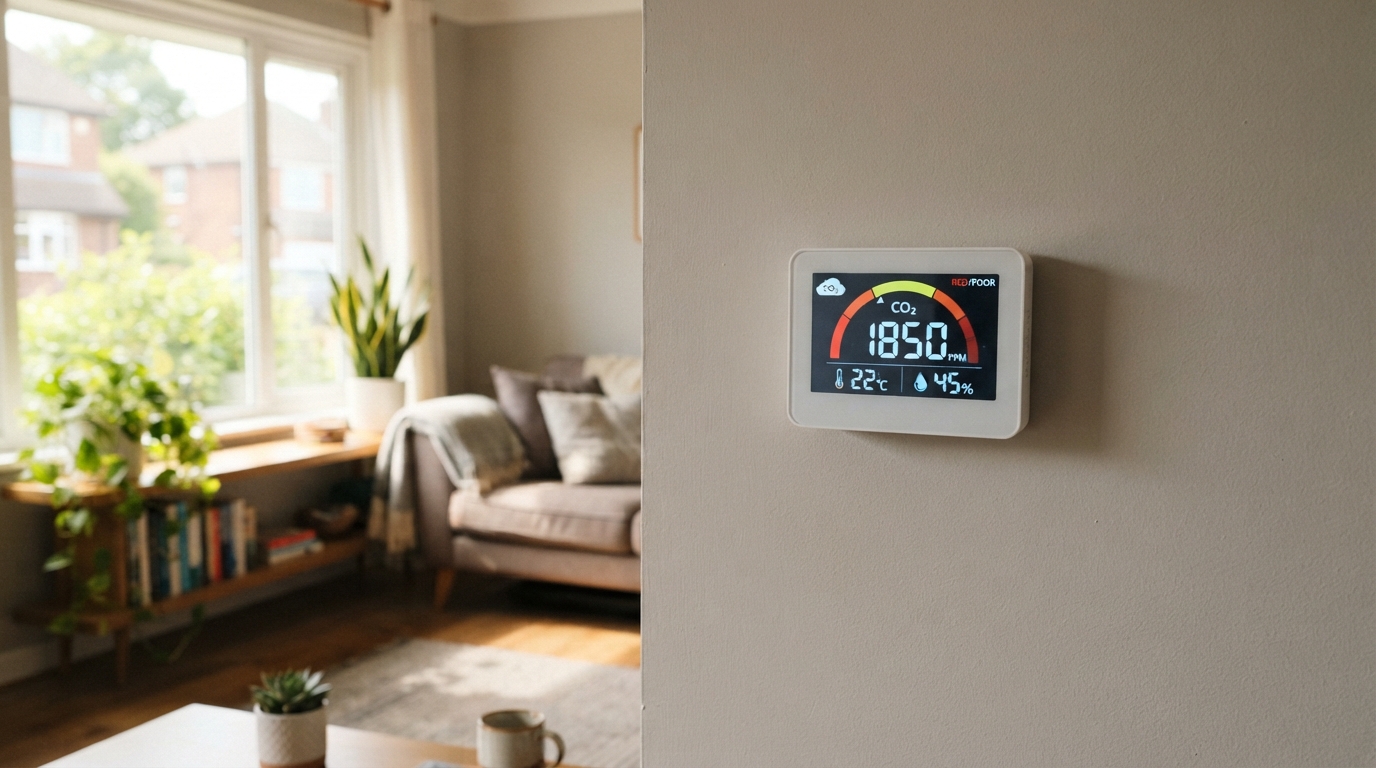
When was the last time you thought about the air quality inside your home? If you're like many homeowners, the answer might be "not often enough." You might be surprised to learn that the levels of carbon dioxide (CO2) in your home could be significantly higher than you realize. This isn't just a technical detail; it has real implications for your health, productivity, and overall well-being.
Why This Matters Now
Indoor air quality has become a hot topic in recent years, particularly as more of us have spent increased time at home due to the pandemic. Ventilation, humidity, and air quality are now more scrutinized than they have been in a long time. Plus, with more people working from home and kids attending classes online, understanding what we breathe has never been more critical.
Experts agree that monitoring CO2 levels indoors is crucial, but many homeowners remain unaware of how complex these dynamics can be. Understanding CO2 levels can empower homeowners to create healthier living environments.
Expert Perspectives
Perspective: Dr. Joseph Allen
Dr. Joseph Allen, the Director of the Healthy Buildings Program at Harvard University, emphasizes the need for awareness around CO2 levels.
"CO2 is often considered an unassuming gas, but elevated levels can indicate insufficient ventilation and can lead to various health issues," says Dr. Allen. "When CO2 levels rise, you might experience fatigue, a lack of concentration, and even impaired decision-making."
Dr. Allen highlights that typical indoor CO2 levels can reach anywhere from 400 to over 2,500 parts per million (ppm), especially in densely populated spaces. This suggests that many homes are at risk, particularly if they rely on poor ventilation systems or have limited air circulation.
Perspective: Richard Trumka Jr.
Richard Trumka Jr., Principal at Trumka Consulting, points out that homeowners often overlook how their daily activities can contribute to rising CO2 levels.
"Cooking, heating, and even the number of people living in a home can impact indoor CO2 levels," Trumka explains. "People often think that simply opening a window is enough to manage air quality, but that's not always the case."
Trumka underscores the importance of integrating ventilation solutions, especially in modern homes that tend to be more airtight. "You need a tailored approach to fresh air that considers your specific living situation," he adds.
Perspective: Marilyn Black
Marilyn Black, Senior Scientist at Underwriters Laboratories (UL), offers a perspective that focuses on the long-term impacts of high CO2 concentrations.
"Long-term exposure to elevated CO2 levels can have serious consequences for your health, including sleep problems and chronic respiratory issues," warns Black. "It's essential not just to react to spikes in CO2 but to be proactive in creating a healthy indoor environment."
According to Black, monitoring CO2 should be part of an overall strategy for indoor air quality, which includes humidity control and filtration systems. "Investing in good ventilation and air purification technologies can make a significant difference," she advises.
Editorial Synthesis
Where Experts Agree
- Elevated CO2 levels can negatively impact health and cognitive function.
- Poor ventilation is a primary cause of rising CO2 levels in homes.
- Homeowners should proactively monitor and manage their indoor air quality.
Where Experts Disagree
- The exact thresholds for CO2 levels that lead to negative effects can vary.
- Opinions differ on the best strategies for improving ventilation and air quality in existing homes, depending on structure and setting.
Why This Matters
Understanding the implications of elevated CO2 levels in your home isn't just about numbers; it's about your quality of life. With many of us spending more time indoors than ever before, creating a healthier living environment is paramount. The insights from experts like Dr. Allen, Trumka, and Black can serve as a guide for making informed decisions.
Be proactive: consider investing in air quality monitors, and don't be afraid to reach out to professionals for tailored solutions. Higher CO2 levels may seem like a trivial concern, but as research indicates, they can have cascading effects on your health and productivity. Keeping your indoor environment fresh can lead to better living conditions—ultimately making your home a sanctuary for both you and your loved ones.
The Voices
Dr. Allen emphasizes that high indoor CO2 levels can lead to cognitive decline and decreased productivity. Monitoring and improving indoor air quality is essential for health and well-being.
 Principal, Trumka Consulting
Richard Trumka Jr.
Balanced Approach
Principal, Trumka Consulting
Richard Trumka Jr.
Balanced Approach
Richard advocates for a balanced approach to HVAC systems, stressing the importance of proper ventilation to control CO2 levels without overcomplicating systems or increasing energy use.
 Senior Scientist, Underwriters Laboratories (UL)
Marilyn Black
Pro Awareness Campaigns
Senior Scientist, Underwriters Laboratories (UL)
Marilyn Black
Pro Awareness Campaigns
Marilyn believes widespread awareness of CO2 levels in households is crucial, as many people underestimate their impact on health. She supports educational campaigns to promote better indoor air quality standards.
Prioritizing Indoor Air Quality: An Urgent Necessity
Elevated indoor CO2 levels demand immediate attention for healthier living environments.
References
- Improving Indoor Air Quality Energy.gov
- Indoor Carbon Dioxide and Ventilation ASHRAE
- The Importance of Indoor Air Quality Consumer Reports