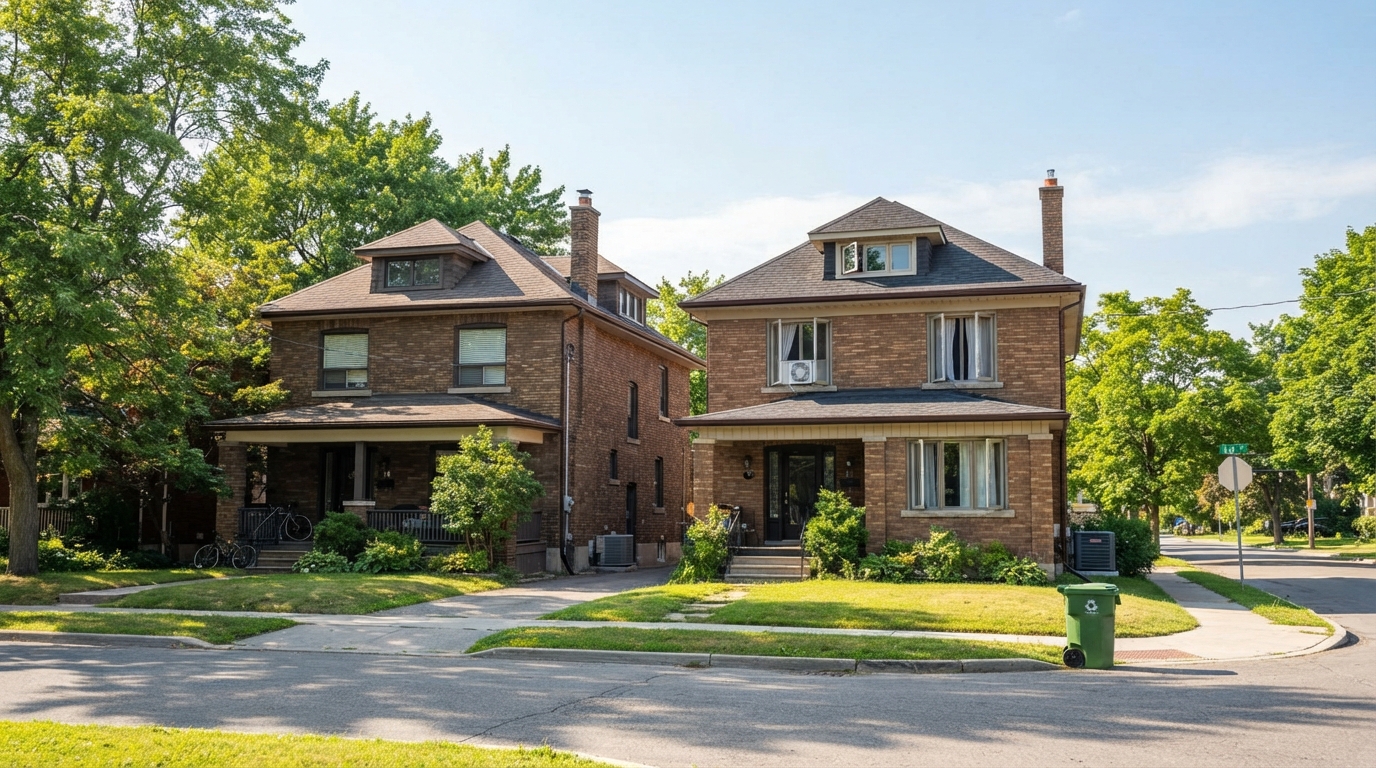
Have you ever wondered why two identical houses on the same street can have wildly different HVAC bills? It's perplexing, especially when all other factors seem equal. Today, we dive deep into this question, drawing insights from leading industry experts to uncover the hidden variables that could explain these discrepancies.
Context: Why This Matters Now
As energy costs rise, today's homeowners are more aware than ever of their HVAC expenses. For many households, heating and cooling represent one of the largest monthly bills. Understanding the underlying factors that contribute to such variations can not only help save money but also contribute to energy conservation efforts. Whether you're a longtime homeowner or new to the world of homeownership, unraveling these mysteries has implications that resonate across the entire community.
Expert Perspectives
Perspective: Jim Bergmann, CEO of True Tech Tools
Jim Bergmann emphasizes the importance of equipment quality and installation practices. "Even if two houses are identical in layout and design, the performance of their HVAC systems can vary significantly based on how they were installed and the quality of the equipment used. Poor installation can lead to inefficiencies that drive up energy bills," he explains.
Another critical factor he identifies is maintenance. "Regular upkeep of HVAC systems is crucial. A neglected unit can lose efficiency over time, leading to skyrocketing costs that the homeowner might not notice until the bill arrives."
Bergmann also points out the significance of advanced technology. "Smart thermostats and zoning systems can drastically alter HVAC expenses. A traditional thermostat might struggle to manage temperature unevenness in a larger home compared to a zoned system that allows for tailored heating and cooling in different sections."
Perspective: Dr. Michael Blasnik, Principal at Blasnik and Associates
Dr. Michael Blasnik offers a lens focused on the broader building dynamics, including air leakage and insulation quality. "Two homes might look alike, but differences in insulation, air sealing, and even window quality can greatly impact energy use. If one house has leaks or insufficient insulation, it can result in higher demand on the HVAC system, driving up costs."
Blasnik adds, "Energy consumption doesn't just depend on the systems in place; it also greatly relies on how well the building retains conditioned air. In fact, properly sealing and insulating a home can result in energy savings of upwards of 30% compared to a poorly insulated one."
Perspective: Rachel Harten, Building Performance Specialist at Eco-Home Services
Rachel Harten brings forward the aspect of human behavior and lifestyle choices. "The way homeowners use and manage their HVAC systems can differ dramatically. For instance, one household might prefer to keep their home cooler in summer compared to another, resulting in varying HVAC bills," she states.
Harten stresses the importance of education for homeowners. "Homeowner knowledge about energy efficiency can make a full world of difference. Simple habits, like using ceiling fans or keeping blinds closed during summer, significantly reduce HVAC costs. Many people simply don't realize how much control they have over their bills."
She also highlights that thermostat settings can lead to significant differences. "Two identical homes could be programmed, say, at 68°F versus 72°F; the energy consumption will differ substantially, impacting monthly bills."
Editorial Synthesis
Where Experts Agree
- Installation quality is crucial: Both Bergmann and Blasnik emphasize that proper installation and maintenance of HVAC systems directly impact efficiency and costs.
- Insulation and air sealing significantly influence energy consumption: Dr. Blasnik and Harten highlight how vital building performance factors, like insulation, are in controlling HVAC expenses.
- Homeowner behavior and awareness can play a pivotal role: Rachel Harten underscores that habits and knowledge can alter how much energy is consumed, affecting overall costs.
Where Experts Disagree
- Emphasis on technology vs. building envelope: While Bergmann focuses on advanced technologies like smart HVAC systems, Dr. Blasnik leans more towards the physical aspects of the home, such as insulation.
- Short-term vs. long-term solutions: Bergmann advocates for immediate investment in upgraded technology, whereas Harten speaks to the incremental changes homeowners can make for ongoing savings.
Why This Matters
In a climate where energy bills are rising, understanding the nuanced factors that influence HVAC costs is critical for every homeowner. With insights from experts like Jim Bergmann, Dr. Michael Blasnik, and Rachel Harten, it's clear that seemingly minor differences can lead to significant financial implications. Homeowners have a variety of levers they can pull, from equipment maintenance to lifestyle adjustments, to regain control over their HVAC expenses.
Arming yourself with this knowledge not only positions you to make smarter choices but also creates an opportunity to contribute to energy efficiency in our communities. So, whether you own your home or are in the market for one, take the time to investigate how these factors ensure you aren't paying more than you should for your comfort.
Energy efficiency isn't just an expense—it's an investment in your home, community, and future.
The Voices
The discrepancy in HVAC bills between identical homes can often be attributed to differences in energy use awareness and maintenance levels. Homeowners who invest in timely service and energy-efficient practices reduce costs significantly.
While factors like insulation and air leaks play a role, individual behavior and lifestyle choices can greatly influence energy use. It's essential to consider both building characteristics and occupant habits to understand variations in HVAC bills.
 Building Performance Specialist, Eco-Home Services
Rachel Harten
Behavioral Influence Analyst
Building Performance Specialist, Eco-Home Services
Rachel Harten
Behavioral Influence Analyst
Identical houses often have different HVAC bills due to varying owner habits, such as thermostat settings and usage patterns. Even small differences in daily behavior can result in significantly different energy expenditures.
Understanding HVAC Discrepancies: A Path to Efficiency
Understanding HVAC discrepancies can lead to significant savings and energy efficiency.