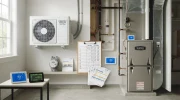
As homeowners seek efficient climate control solutions, a common question arises: Is installing a multi-zone mini-split system in a small house overkill, or could it be a smart investment? Mini-split systems offer precise temperature control and energy savings, but does every room truly need its own unit? Let's explore the insights from experts on this increasingly relevant topic.
Why This Matters Now
With energy prices fluctuating and climate change pushing homeowners to seek more sustainable living options, heating and cooling strategies are under the spotlight. Mini-split systems are gaining traction due to their versatility and efficiency, particularly in light of rising energy costs. Understanding whether it's beneficial—or excessive—to equip a small home with a multi-zone system is crucial for modern homeowners looking to balance comfort with cost.
Expert Perspectives
Perspective: Stephen H. S. Wong (HVAC Technician and Educator)
Stephen H. S. Wong emphasizes the benefits of mini-split systems, especially in small homes. "A multi-zone system allows for tailored comfort—each room can be set to different temperatures based on usage patterns. This is particularly appealing for families who gather in common areas but may want cooler rooms in sleeping quarters."
He also notes that many homeowners underestimate the energy efficiency of multi-zone systems. "With advanced inverter technology, these systems adjust their output to match your home's needs, thereby reducing energy consumption. It's not just about installing units; it's about creating a sustainable lifestyle."
Perspective: Jessica L. Carter (Energy Analyst at EcoSmart)
On the other hand, Jessica L. Carter raises caution when it comes to multi-zone systems in smaller homes. "While multi-zone mini-splits do offer benefits, many small houses are already designed to optimize space. Having units in every room might lead to unnecessary installation and maintenance costs."
Carter believes that homeowners should consider existing climate control options before committing to a multi-zone system. "If a single-zone system can maintain comfort efficiently, that might be the more sensible route for smaller spaces. Plus, most small homes benefit significantly from good insulation and ventilation, which are often overlooked."
Perspective: Mark G. Thompson (Home Inspector and Building Scientist)
Mark G. Thompson provides an inspector's view, focusing on practical installation concerns and home design. "In small houses, it's crucial to evaluate whether multiple units are necessary. They can take up wall space and create visual clutter, which can affect aesthetics and home value."
He also points out that installation can become complex in small spaces. "You have to consider the structural implications of running multiple lines to different zones. Maintenance can also increase. If a unit in one of the rooms fails, it impacts only that zone, but routine maintenance becomes a multi-zone effort, which can be burdensome over time."
Editorial Synthesis
Where Experts Agree
- Energy Efficiency: Both Stephen Wong and Jessica Carter acknowledge that mini-splits can significantly reduce energy consumption, depending on how they're used.
- Tailored Comfort: They agree that personalized climate control is a strong selling point for mini-splits, especially for families with differing temperature preferences.
- Importance of Insulation: Mark Thompson and Jessica Carter both emphasize that good insulation can often make significant improvements in energy efficiency, which may negate the need for multiple units.
Where Experts Disagree
- Necessity: Wong advocates that every room can benefit from its own mini-split, while Carter feels that one well-placed unit could be sufficient in smaller homes.
- Cost-Effectiveness: Carter argues against the potential high costs of multiple units in small spaces, while Wong sees the long-term investment benefits.
- Maintenance Concerns: Thompson worries about the logistics and complexity of maintaining multiple units, which differs from Wong's focus on personalized benefits.
Why This Matters
As climate control technology evolves, understanding the scope of options available to homeowners becomes increasingly important. The decision to invest in a multi-zone mini-split system requires balancing initial costs and long-term benefits. For many small homeowners, the ultimate choice may hinge on personal preferences for comfort, potential energy savings, and lifestyle patterns.
Whether or not a multi-zone system seems like overkill, it's essential to weigh all options against your specific needs. After all, your home's climate should fit comfortably around your lifestyle rather than the other way around.
Deciding on your home's climate control needs doesn't have to be overwhelming. Take time to analyze your specific situation, consider expert advice, and don't hesitate to ask for professional opinions tailored to your home.
The Voices
 HVAC Technician and Educator
Stephen H. S. Wong
Pro Multi-Zone
HVAC Technician and Educator
Stephen H. S. Wong
Pro Multi-Zone
Installing a multi-zone mini-split system can significantly enhance comfort and energy efficiency in a small home. It allows for tailored heating and cooling in each room, reducing energy waste and improving indoor air quality.
In smaller homes, a multi-zone system may not be necessary and could even be excessive. A single-zone system can provide adequate comfort without the complexity and maintenance costs of multiple units, making it a more cost-effective solution.
Finding Balance: Multi-Zone Systems in Small Homes
Evaluate personal needs before investing in multi-zone systems.
References
- Ductless Mini-Split Heat Pumps Energy.gov
- Ductless Mini-Split Heat Pumps ENERGY STAR
- Mini-Split Air Conditioners: What to Know Consumer Reports