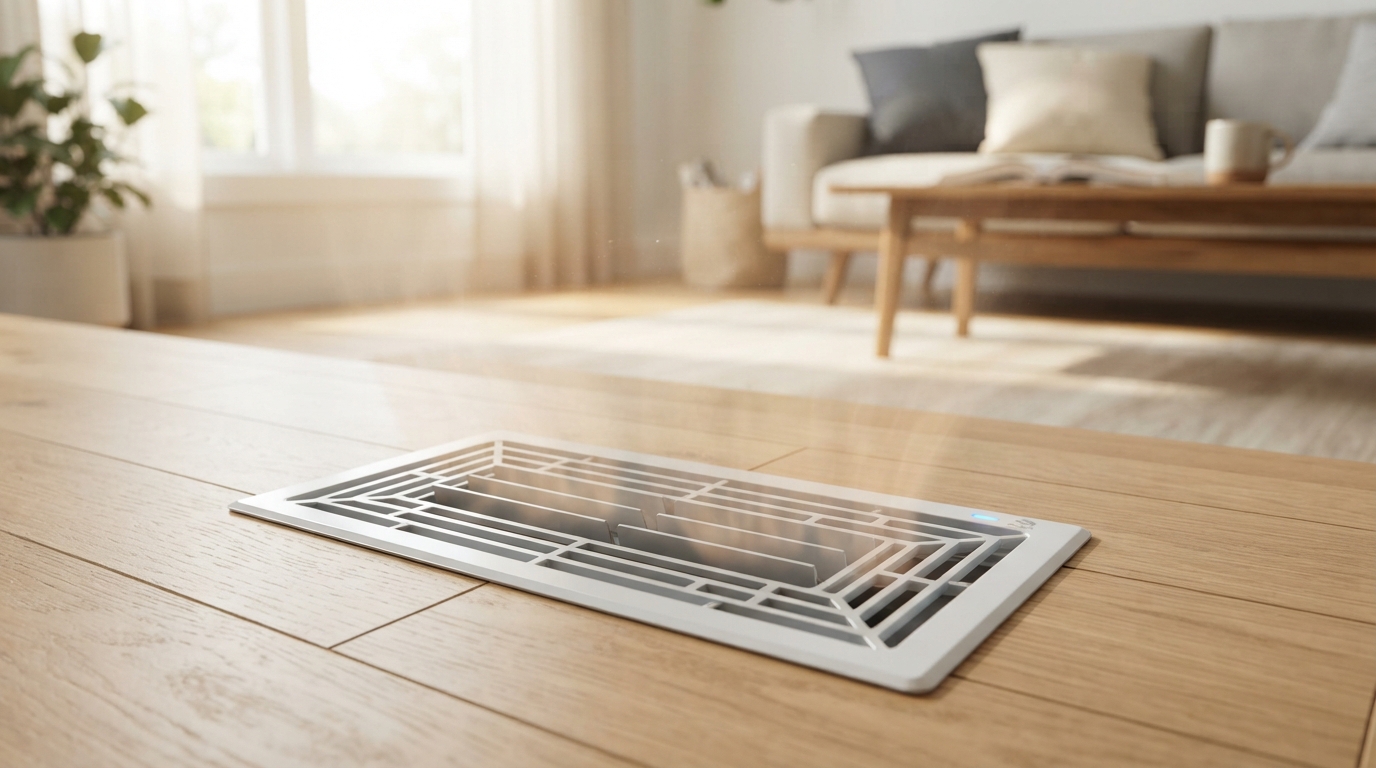
Have you ever wondered if you could control the temperature of each room in your home independently? With smart vents entering the mainstream market, homeowners are intrigued by the promise of enhanced comfort and energy efficiency. But are these devices effective?
Why This Matters Now
As energy costs rise and the seasons become more unpredictable, homeowners are increasingly seeking solutions that can improve indoor comfort while lowering utility bills. Smart home technologies, including smart vents, have gained traction as a viable way to achieve these goals. With many Americans working from home now more than ever, the need for personalized climate control has become not just a luxury but a necessity.
Expert Viewpoints
Perspective: Pros of Smart Vents
Jim McNair, HVAC Technician: "Smart vents allow homeowners to better manage airflow in their homes. In a traditional HVAC setup, all rooms often receive the same amount of airflow irrespective of their actual heating or cooling needs. Smart vents can adjust the airflow based on room temperature readings, which can lead to a more comfortable living space. If you have a room that's too hot or too cold, smart vents can help balance that out without having to change the entire system."
Emily Ransom, Energy Analyst: "From an energy efficiency standpoint, smart vents present a promising opportunity. They can be programmed to optimize heating and cooling cycles, which can ultimately lead to a reduction in wasted energy. For families looking to save on their energy bills, this technology offers a fresh approach. The potential to reduce energy consumption is something that aligns well with many homeowners' sustainability goals."
Perspective: Cons of Smart Vents
Tom Glover, Building Scientist: "While the idea of controlling climate on a room-by-room basis sounds appealing, there are potential downsides. Installing smart vents without a properly functioning HVAC system can do more harm than good. If the system is not designed for variable airflow, you could inadvertently create pressure imbalances that can lead to moisture issues and increased wear on your HVAC system."
Emily Ransom, Energy Analyst: "Moreover, not all homes are suited for smart vents. They work best in systems that can handle variable airflows. If you have an older system, you may not see the benefits. This isn't a one-size-fits-all solution, and it's essential for homeowners to conduct a thorough assessment before investing."
Editorial Synthesis
Where Experts Agree
- Smart vents can improve room-by-room comfort if your HVAC system is properly set up.
- Benefits may include reduced energy consumption and lower utility bills for many homeowners.
- Each house may require an individual assessment to determine if smart vents are suitable.
Where Experts Disagree
- Experts disagree on the overall practicality and effectiveness of smart vents with specific HVAC systems.
- There are differing opinions on the potential risks associated with creating pressure imbalances if the system is not properly managed.
Why This Matters
As you consider smart vents for your home, it's crucial to weigh the benefits against the limitations. While the technology promises enhanced comfort and energy efficiency, not every home is a perfect fit. Understanding the strengths and weaknesses as articulated by professionals like Jim McNair, Emily Ransom, and Tom Glover can help you make a more informed decision. Ultimately, the best course of action may involve consultation with an HVAC expert to assess your specific situation before diving in. By taking measured steps, homeowners can navigate this exciting frontier in home climate control to find the right solution for their needs.
The Voices
 HVAC Technician
Jim McNair
Pro Smart Vents
HVAC Technician
Jim McNair
Pro Smart Vents
Smart vents can significantly improve room comfort by optimizing airflow based on real-time temperature data. They allow homeowners to create personalized climates in individual rooms, leading to better energy efficiency.
 Energy Analyst
Emily Ransom
Cautiously Optimistic
Energy Analyst
Emily Ransom
Cautiously Optimistic
While smart vents show potential for improving comfort and efficiency, their effectiveness largely depends on the existing HVAC system. A whole-home approach, including proper insulation and sealing, is essential for maximizing benefits.
 Building Scientist
Tom Glover
Skeptical of ROI
Building Scientist
Tom Glover
Skeptical of ROI
Smart vents can enhance comfort, but their return on investment may be limited without a comprehensive understanding of home airflow and insulation. Potential issues with increased energy consumption might outweigh any gains in comfort.
Navigating the Promise of Smart Vents
Smart vents hold promise for improved comfort and efficiency, but careful consideration is key.