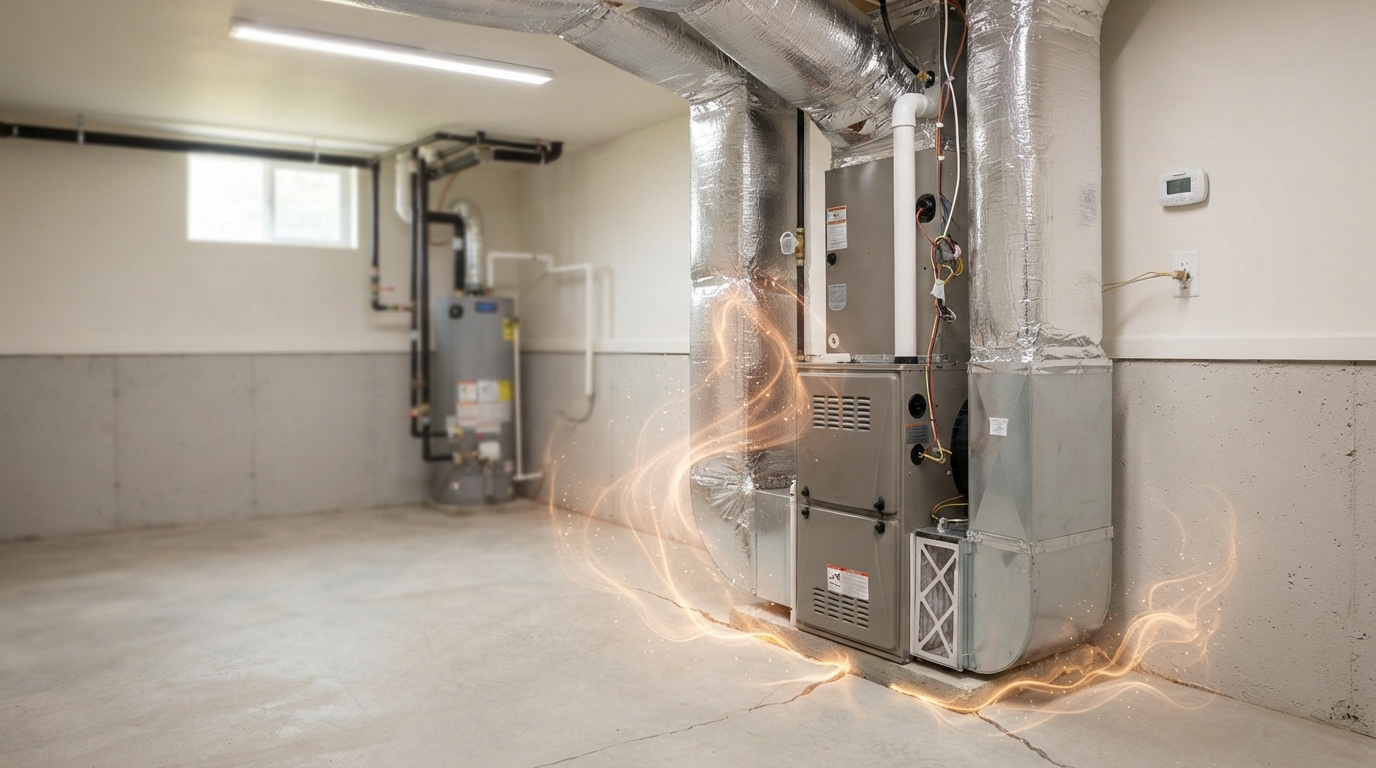
Is your home efficiently sealed against drafts and heat loss? While energy savings are a top concern for modern homeowners, experts warn that too tight of a seal can lead to unforeseen dangers, particularly the accumulation of radon gas. This poses a critical question: How do we balance energy efficiency with indoor air quality?
Context: Why This Matters Now
As homeowners become increasingly aware of energy efficiency, the demand for airtight homes has soared. Tight seals can significantly reduce energy costs, but they can also inadvertently trap indoor pollutants. Among these pollutants, radon—a colorless, odorless gas released from the decay of uranium in soil, rock, and water—poses a serious health risk. According to the Environmental Protection Agency (EPA), radon is the second leading cause of lung cancer in the United States, claiming approximately 21,000 lives each year. With many homeowners investing in newer, more energy-efficient HVAC systems, the need for a balanced approach to home sealing is more important than ever.
Perspective: John M. O'Leary (HVAC Technician)
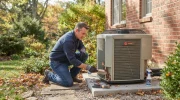
John M. O'Leary emphasizes the importance of ventilation in modern HVAC systems. "Sealing your home too tightly can create a perfect storm for pollutants like radon. Proper ventilation systems are essential to prevent indoor air quality issues while maintaining efficient heating and cooling."
He suggests that homeowners regularly inspect their HVAC systems to ensure they include adequate ventilation options. John advocates for solutions like mechanical ventilation which can help manage indoor air quality without sacrificing energy efficiency.
Perspective: Sarah J. Turner (Energy Analyst)
From an energy efficiency standpoint, Sarah J. Turner discusses the advantages of well-sealed homes. "Energy efficiency is critical for reducing costs and enhancing comfort. However, sealing should not come at the cost of air quality, especially with potential radon exposure."
Sarah recommends conducting a home energy audit to identify areas where sealing is necessary but also stresses that air exchange is vital. "It's about finding that sweet spot where your home is both energy-efficient and safe from pollutants."
Perspective: David L. MacKenzie (Home Inspector)
As a home inspector, David L. MacKenzie brings a real-world perspective on the hidden dangers of radon. "I've seen too many homes that are perfectly sealed but harbor dangerous levels of radon because homeowners don't realize the importance of proper ventilation."
David advises homeowners to take proactive steps. "Testing your home for radon is essential. If you find high levels, you'll need to make adjustments to your HVAC system or home design. Ignoring it can lead to serious health risks."
Editorial Synthesis
Where Experts Agree
- Ventilation is Crucial: All three experts emphasize the importance of integrating proper ventilation within energy-efficient systems.
- Radon Testing is Necessary: Regular radon testing is crucial for identifying risk levels in sealed homes.
- Balance is Key: Achieving both energy efficiency and healthy indoor air quality should be a primary concern for homeowners.
Where Experts Disagree
- Sealing Techniques: John believes that careful sealing combined with the right ventilation can work effectively, while Sarah emphasizes that certain sealing techniques may lead to air quality issues.
- Immediate Action: David urges immediate testing and remediation of radon, while Sarah feels that a more cautious approach can allow for targeted improvements over time.
Why This Matters
As homeowners, knowing the balance between comfort and health is paramount. The shift towards energy-efficient practices presents both opportunities and challenges. While sealing practices can help reduce energy costs and increase comfort, they can also entrap harmful gases like radon if not carefully managed.
Homeowners must take responsibility for maintaining not just their HVAC systems, but also their home's overall airflow and air quality. Taking proactive steps—such as conducting radon tests, ensuring proper ventilation, and consulting with professionals—can make all the difference in creating a safe, comfortable living environment.
Radon isn't just a concern for older homes; it can affect even new, tightly sealed constructions. Therefore, knowledge is power in the modern homeowner's toolkit. Balancing energy efficiency with air quality is not just a noble endeavor—it's a necessity for long-term health and well-being.
The Voices
 HVAC Technician
John M. O'Leary
Pro Sealing Benefits
While sealing a home too tightly can trap pollutants, proper ventilation systems can mitigate this. By employing advanced HVAC solutions, we can maintain energy efficiency without compromising air quality.
 Energy Analyst
Sarah J. Turner
Pro Ventilation Needs
An overly sealed home can indeed trap harmful gases, including radon. It’s crucial to implement balanced ventilation measures to ensure that homes are safe and breathable, especially in areas with high radon levels.
Striking a Balance: Home Sealing Meets Indoor Air Quality
Home sealing should prioritize both energy efficiency and indoor air safety.
References
- Radon in Your Home U.S. Department of Energy
- Indoor Air Quality in the Home Energy Star
- Guideline 16: The Protection of Occupants from Radon American Society of Heating, Refrigerating and Air-Conditioning Engineers (ASHRAE)