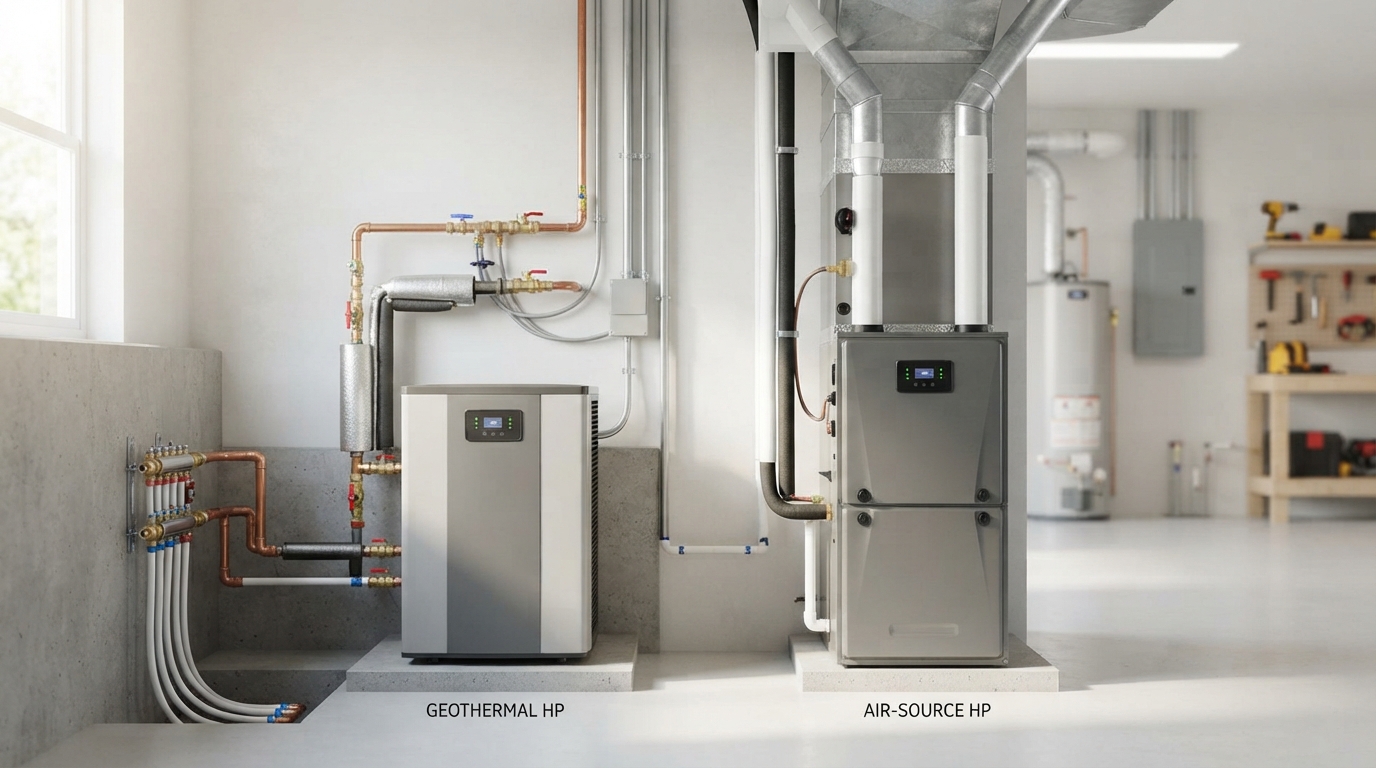
When it comes to heating and cooling your home, homeowners face a crucial question: geothermal systems or air-source heat pumps? Both technologies promise energy efficiency and savings, yet they come with different initial investments and long-term payoffs. We dove deep into the numbers and consulted several experts to understand which option truly offers the best value over 15 years.
Why This Matters Now
The conversation around home climate systems is more essential than ever. Rising energy costs, environmental concerns, and the urge for self-sufficiency are pushing homeowners to reconsider their heating and cooling choices. As we transition into an era where energy efficiency is a priority, understanding the dynamics of geothermal versus heat pumps could lead to significant savings and a smaller carbon footprint. With incentives and rebates also in play, knowing which system to choose can make a substantial financial difference.
Perspectives on the Debate
Perspective: Dr. David Carrier, Energy Analyst, Energy Research Group
Dr. David Carrier emphasizes the lasting financial benefits of geothermal systems. "While the upfront costs are higher—often ranging from $15,000 to $30,000 depending on the installation—geothermal systems tend to outperform heat pumps over time. On average, a geothermal system can save homeowners around 40% on heating and cooling costs yearly compared to traditional systems," he notes.
Carrier also highlights the longevity of geothermal systems. "With proper maintenance, they can last 25 years or more, which provides a significant payback period in the long run. The average payback period for a geothermal system is approximately 7 to 10 years."
Perspective: Sarah Thompson, HVAC Contractor, Green Home Services
Sarah Thompson presents a balanced viewpoint on air-source heat pumps. "Heat pumps, especially the newer models, have come a long way in efficiency. While they are generally less expensive to install—averaging between $5,000 to $10,000—they can still deliver substantial savings," she explains.
Thompson points out that many homeowners opt for heat pumps because they offer a faster return on investment. "The payback period can be as short as 5 to 7 years, making them appealing for budgets that can't accommodate the higher upfront costs of geothermal systems."
Additionally, she notes the versatility of heat pumps. "They can work in a broader range of climates compared to geothermal systems, which require specific ground conditions for optimal performance."
Perspective: Mark Reynolds, Building Scientist, Sustainable Building Group
Mark Reynolds takes a holistic view, considering not just the financial implications but also environmental factors. "Geothermal systems usually provide a lower carbon footprint over their lifetime compared to air-source heat pumps. However, much depends on your local energy grid's source," he points out.
Reynolds adds that while geothermal systems are efficient, some homeowners may find them invasive due to the drilling required for installation. "In urban areas, this can be a significant drawback, while heat pumps may offer a less disruptive installation process." Furthermore, he notes, "The payback period for geothermal can appear longer on paper, but if you factor in federal and state incentives, it can make a more significant difference."
Editorial Synthesis
Where Experts Agree
- Efficiency: All experts acknowledge that both systems offer efficiency that surpasses traditional heating methods.
- Incentives: There's consensus on the importance of considering available incentives that can affect the payback period for both technologies.
- Long-Term Savings: Each viewpoint presents the view that over a long period, savings accumulate regardless of the initial choice.
Where Experts Disagree
- Upfront Costs: Dr. Carrier favors geothermal for its long-term savings potential, while Thompson promotes the lower initial costs of heat pumps.
- Longevity and Maintenance: Dr. Carrier and Reynolds emphasize geothermal longevity, contrasting with Thompson's focus on the ease of heat pump maintenance.
- Best Fit for Locations: Reynolds raises concerns about geothermal feasibility in urban settings, which Thompson argues heat pumps accommodate better.
Why This Matters
Deciding between geothermal systems and heat pumps is more than just choosing a heating and cooling solution; it reflects a homeowner's values on sustainability, finances, and comfort. Understanding the nuances of these two technologies can inform sound decisions that align with individual lifestyle and budget.
As energy costs rise and environmental awareness grows, the choice between geothermal and heat pumps is critical. For many, it's about assessing how long they plan to stay in their home and what aspects—cost efficiency or less installation disruption—are most important. Ultimately, whichever system you choose should offer comfort, savings, and peace of mind for years to come.
With the insights of our experts, it's clear that both geothermal systems and heat pumps have their merits. What choice will you make for your home?
The Voices
 Energy Analyst, Energy Research Group
Dr. David Carrier
Pro Geothermal
Energy Analyst, Energy Research Group
Dr. David Carrier
Pro Geothermal
In my studies, geothermal systems offer significant long-term savings, especially in regions with favorable geological conditions. While the initial install costs may be higher, the payback period is often shorter than anticipated due to lower operational expenses.
 Building Scientist, Sustainable Building Group
Mark Reynolds
Balanced View
Building Scientist, Sustainable Building Group
Mark Reynolds
Balanced View
Both geothermal systems and heat pumps have their unique benefits and downsides. The choice largely depends on individual circumstances such as climate, building type, and budget. An informed decision should consider installation costs and long-term savings potential.
Choosing Between Geothermal and Heat Pumps: Weighing Long-Term Value
Geothermal systems provide better long-term value despite higher initial costs.
References
- Geothermal Heat Pumps energy.gov
- Geothermal Heat Pumps energystar.gov
- Choosing Between Geothermal Heat Pumps and Air-Source Heat Pumps consumerreports.org