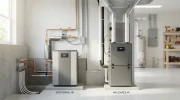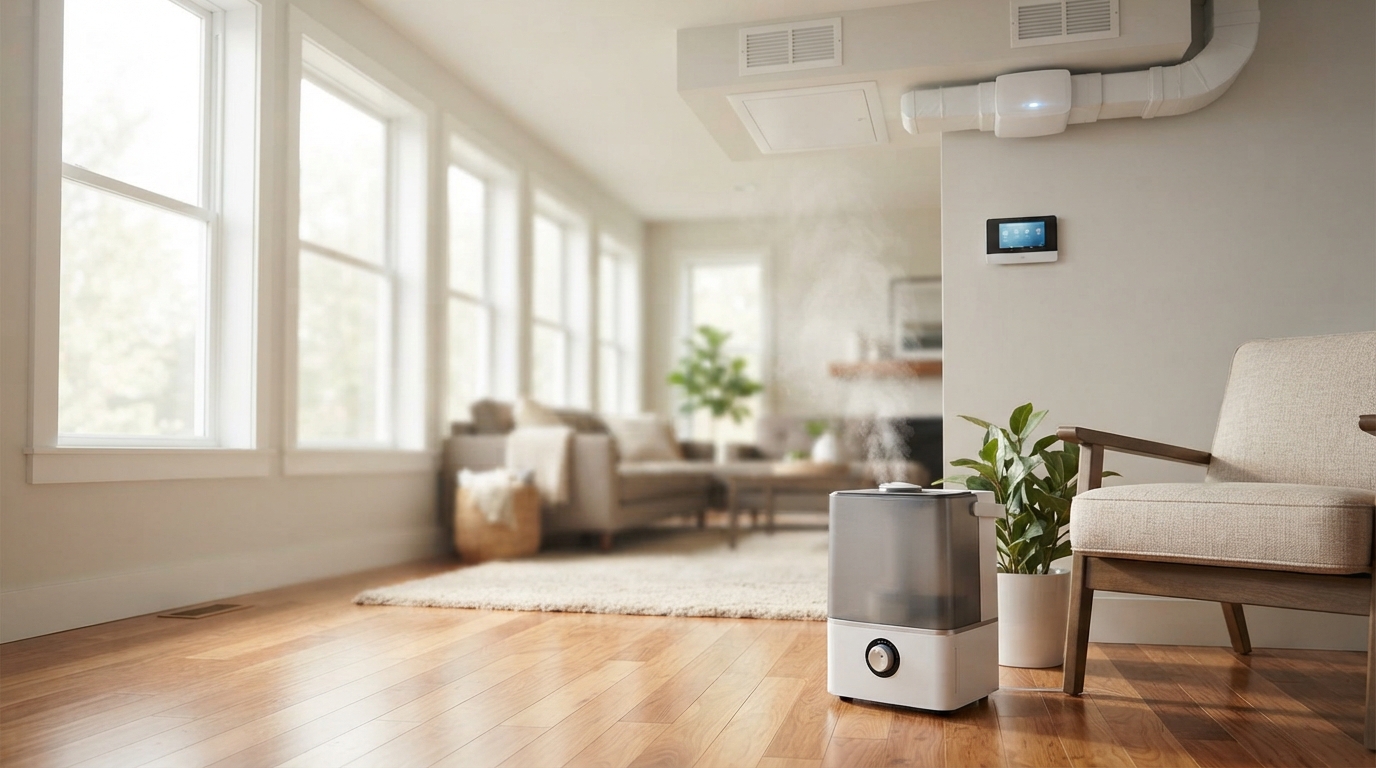
As the seasons change and heating systems begin to run, many homeowners face a familiar dilemma: Should they invest in a whole-house humidifier or just grab a portable unit from the nearest store? While portable humidifiers are often the go-to choice, experts argue that this might not always be the best decision. Let's dive deeper into this debate and see what the professionals have to say.
Why This Matters Now
With more people spending time indoors and health concerns linked to dry air, this question holds particular weight today. Low humidity can lead to issues such as dry skin, irritability, and respiratory problems. Understanding the pros and cons of each type of humidifier can have a significant impact not only on comfort but also on health and energy efficiency.
Expert Viewpoints
Perspective: Joe O'Connor, HVAC Technician
Joe O'Connor sees many homeowners struggle with humidity levels during the winter months. "A portable humidifier is often seen as a quick fix, but it can lead to uneven humidity levels throughout the home. This can aggravate existing problems, especially in older homes," he explains. Joe emphasizes that whole-house humidifiers, installed directly into the HVAC system, provide a consistent humidity level across living spaces. "Properly regulated humidity can actually make your heating system more efficient, reducing energy costs over time."
Perspective: Emily Chen, Home Inspector
Emily Chen raises an important point about the implications of portable units. "Many people don't realize that portable humidifiers can lead to excess moisture, which could facilitate mold growth if not used cautiously. A whole-house system helps maintain humidity within an optimal range, reducing health risks," she shares. Emily notes that for families with children or elderly members, the risk of respiratory infections increases in homes lacking humidity control. "Whole-house humidifiers can be a smarter, safer investment in these cases."
Perspective: Dr. Mark Johnson, Energy Analyst
Dr. Mark Johnson takes a closer look at energy consumption. He suggests that while portable humidifiers are less expensive upfront, they often have higher operating costs. "You might save some initial cash, but if you have to refill frequently and deal with higher electricity bills, the total cost of ownership can be misleading," he warns. "A whole-house humidifier distributes moisture more evenly and can work in tandem with your energy-efficient heating system. In the long run, it's a solution that may actually save you money."
Editorial Synthesis
Where Experts Agree
- Whole-house humidifiers provide more consistent humidity levels throughout the home.
- Portable units may lead to excess moisture and potential health risks.
- Whole-house systems can be more energy efficient in the long run.
Where Experts Disagree
- Some believe portable humidifiers are sufficient for smaller homes or apartments, while others argue they are more trouble than they are worth.
- The upfront cost comparison varies; some believe a higher initial investment in whole-house systems pays off, while others see portable units as enough for temporary needs.
Why This Matters
When it comes to maintaining a comfortable and healthy living environment, the right choice in humidity control should be made with care. While portable humidifiers may appear more convenient and budget-friendly at first glance, they often come with hidden costs and drawbacks that could outweigh their benefits.
With insights from industry experts like Joe O'Connor, Emily Chen, and Dr. Mark Johnson, it seems prudent to consider how a whole-house humidifier might create a healthier and more efficient home environment. Given current health climate concerns, taking the time to evaluate your humidity needs can do wonders for your home atmosphere—and your family's well-being.
So, before you grab that portable humidifier off the shelf, ask yourself: is this the best solution for my home? The answer might just lead you toward a more informed investment in your comfort.
The Voices
 HVAC Technician
Joe O'Connor
Pro Whole-House Humidifiers
HVAC Technician
Joe O'Connor
Pro Whole-House Humidifiers
Whole-house humidifiers provide consistent humidity levels across the entire home, improving air quality and comfort. Portable humidifiers often fail to adequately service large spaces and can lead to inconsistent humidity, causing issues like mold growth and respiratory problems.
 Home Inspector
Emily Chen
Pro Portable Humidifiers
Home Inspector
Emily Chen
Pro Portable Humidifiers
Portable humidifiers offer flexibility and targeted humidity control for specific areas of a home. They can be more cost-effective for smaller spaces and allow homeowners to manage humidity where it's needed most, without the higher investment of installing a whole-house system.
 Energy Analyst
Dr. Mark Johnson
Neutral Perspective
Energy Analyst
Dr. Mark Johnson
Neutral Perspective
Both whole-house and portable humidifiers have their merits, depending on the specific needs and layout of a home. A thorough evaluation of space, usage, and personal preferences is crucial before making a decision, as each option can be beneficial when used appropriately.
Choosing Wisely: Whole-House vs. Portable Humidifiers
Opt for a whole-house humidifier for better health and efficiency.
References
- Humidifiers Energy Star
- Humidity Control Design Guide ASHRAE
- Best Humidifiers of 2022 Consumer Reports