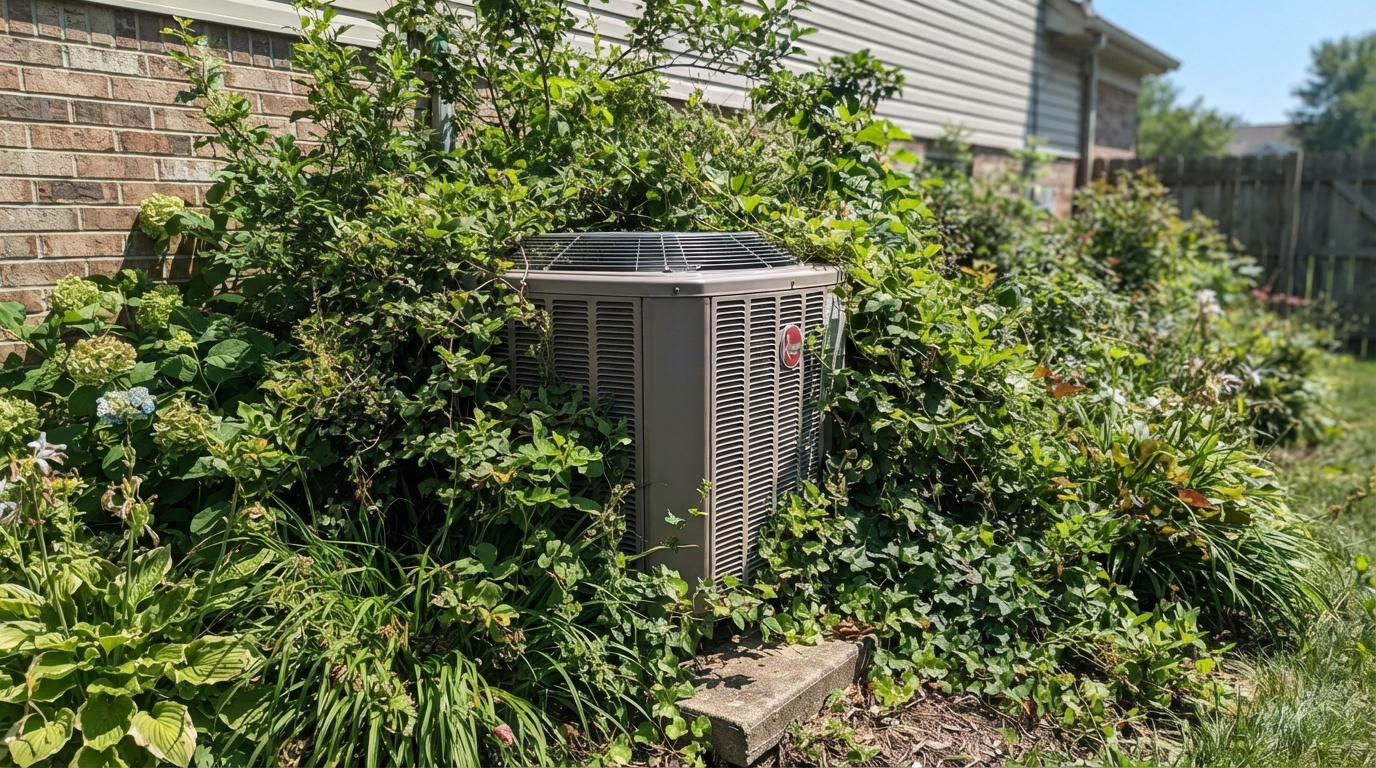
Have you ever paused to think about your garden's potential impact on your air conditioning unit? As homeowners, we often focus on how our landscaping enhances curb appeal or provides a relaxing outdoor space. But an overlooked detail is how the positioning of plants could inadvertently harm your home's cooling system.
Why This Matters Now
In today's world, the effects of climate change and soaring energy costs make it more crucial than ever to optimize our homes for efficiency. With rising temperatures, homeowners rely more on air conditioning systems to maintain comfortable indoor climates. However, improper landscaping choices can strain these systems, leading to higher energy bills and shorter lifespans for your AC units.
Perspectives on Landscaping and AC Efficiency
Perspective: Jessica W. Smith (HVAC Technician)
Jessica W. Smith emphasizes the direct relationship between landscaping and HVAC efficiency. "Plants absorb sunlight and heat, which can either aid or hinder your home's thermal regulation. Many homeowners unknowingly plant shrubs or trees too close to their AC units, leading to poor airflow."
She points out that obstructing the airflow around your unit can increase energy consumption, raising your monthly bills and risking mechanical failures. "It's vital to leave at least two to three feet of clearance around your unit for optimal function."
Perspective: Mark Williams (Energy Analyst)
Mark Williams discusses the broader implications of poor landscaping on energy consumption. "Up to 50% of a home's energy usage can go towards heating and cooling. If your landscape is causing your AC to work harder, that's not just a personal concern; it's an environmental issue. More energy used translates to a greater carbon footprint."
He advocates for strategic landscaping, such as planting shade trees at a distance where their shade can cool the home while ensuring they don't obstruct the AC unit. "Creative landscaping can optimize energy efficiency and cut down costs significantly over time."
Perspective: Sandra M. Lewis (Building Scientist)
Sandra M. Lewis highlights the importance of considering microclimates created by landscaping. "Certain plants can create pockets of heat around air conditioning units if they're positioned too closely or if they retain excessive moisture. This can lead to mold and mildew, further complicating indoor air quality."
She advises understanding the nuances of your garden's soil and plant choices. Some plants trap humidity and can significantly influence the performance of your cooling system, making strategic placement essential. "Knowledge of the local climate and plant behaviors can save homeowners headaches down the line."
Editorial Synthesis
Where Experts Agree
- Maintain Clearance: All three experts agree that keeping sufficient space around AC units is crucial for air circulation and efficiency.
- Consider Local Climate: The importance of tailoring gardening choices to local weather patterns is a consensus.
- Optimize Energy Use: Landscaping can significantly impact both energy consumption and HVAC performance.
Where Experts Disagree
- Plant Choice Impact: While Jessica and Mark stress the general negative impact of poorly placed plants, Sandra emphasizes the specific choices of vegetation and their interactions with microclimates.
- Best Practices: There's a divergence in opinions on the most effective landscape designs, with Jessica advocating for simple clearance, while Mark sees value in strategic shading through intelligent placement.
Why This Matters
For the modern homeowner, understanding the relationship between landscaping choices and HVAC performance is paramount. As homes evolve into energy-efficient havens, homeowners that prioritize thoughtful garden planning will not only enjoy better aesthetics but also enhanced comfort and reduced energy costs. Just a few adjustments can lead to improved airflow, decreased bills, and a healthier living space.
In a world where every detail counts towards sustainable living, make sure your garden enhances—not endangers—your air conditioning unit. Start today. Reflect on your garden's layout and take the steps necessary to ensure it supports the comfort of your home.
Are you ready to rethink your garden placement to maximize your AC unit's efficiency? It might be the easiest upgrade you've ever made!
The Voices
 HVAC Technician
Jessica W. Smith
Pro Landscaping Awareness
HVAC Technician
Jessica W. Smith
Pro Landscaping Awareness
Planting your garden too close to your AC unit can cause airflow issues, leading to reduced efficiency and higher energy bills. Proper spacing ensures your system runs optimally and lasts longer.
 Energy Analyst
Mark Williams
Balanced Perspective
Energy Analyst
Mark Williams
Balanced Perspective
While excessive landscaping near an AC unit can cause issues, strategic planting can also provide shade and efficiency benefits. Homeowners should consider both potential drawbacks and advantages.
 Building Scientist
Sandra M. Lewis
Advocate for Functional Landscaping
Building Scientist
Sandra M. Lewis
Advocate for Functional Landscaping
Thoughtful landscaping can benefit your home systems by providing shade, reducing heat gain, and improving comfort. It's about finding the right balance to enhance both aesthetics and functionality.
Plant Smart for Efficiency: A Key to AC Longevity
Strategic landscaping is essential for enhancing AC performance and reducing energy costs.
References
- Improving Energy Efficiency in Your Home Energy.gov
- Energy Efficient Landscaping Energy Star
- Design Guide for Energy-Efficient Heating, Ventilating, and Air Conditioning Systems American Society of Heating, Refrigerating and Air-Conditioning Engineers (ASHRAE)