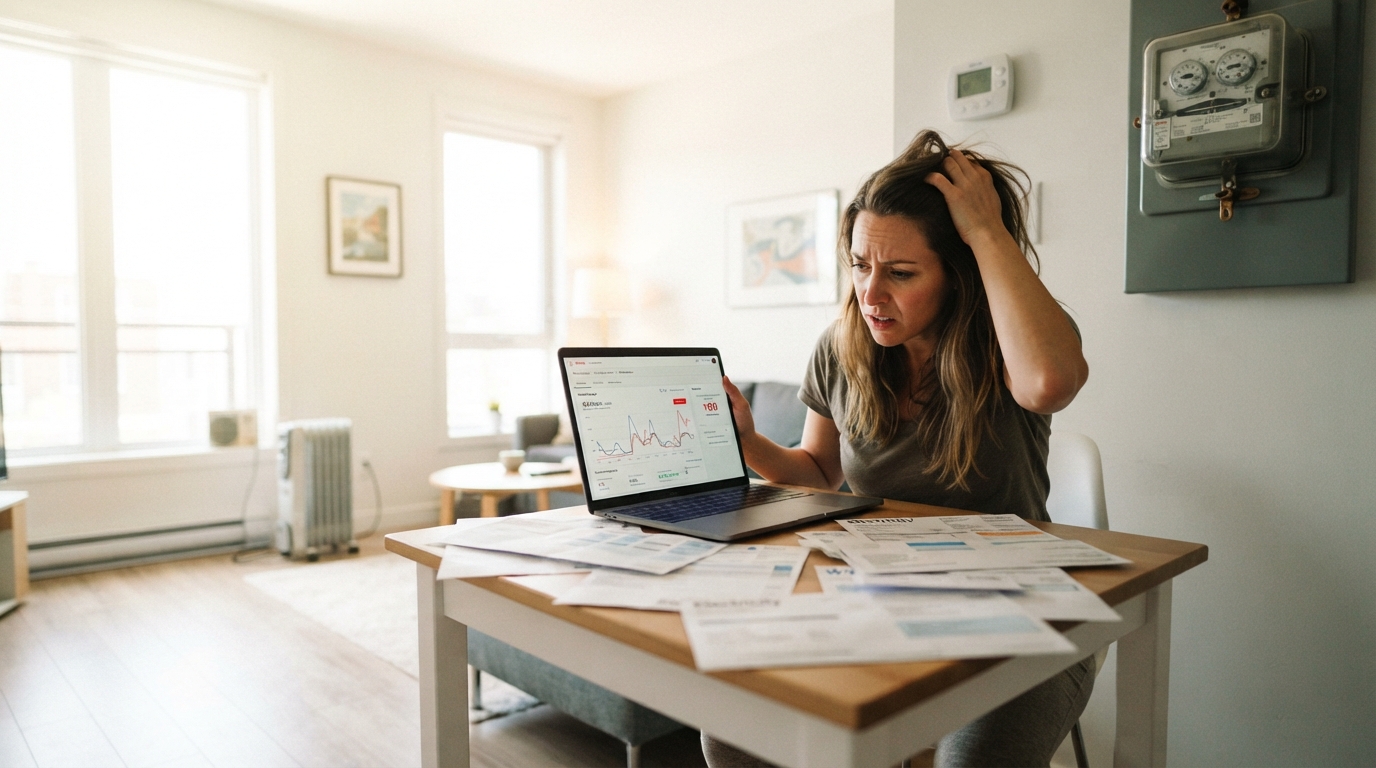
Are you an Airbnb host trying to maximize your income while juggling soaring utility costs? If so, you're not alone. Many hosts are grappling with unexpected spikes in their utility bills, affecting their profit margins significantly. Why are these costs ballooning, and what can be done about it?
Context: Utilities on the Rise
In recent years, utility costs have climbed across the board, driven in part by inflation, increasing energy demand, and changes in regulation. For Airbnb hosts, this trend poses a critical challenge. With ever-rising expectations from guests for comfort and amenities, hosts often find themselves caught between providing an inviting environment and absorbing increasingly high utility bills. For many, the bottom line is taking a hit, leading to difficult decisions about pricing and services.
Expert Perspectives
Perspective: Dr. David H. Hitt - HVAC Technician and Consultant
Dr. David H. Hitt emphasizes the role of energy efficiency in managing utility costs. "Many properties lack proper insulation or have outdated HVAC systems that consume excessive energy. A simple upgrade can yield significant savings over time." He advocates for a proactive approach, suggesting that hosts consider energy audits to identify potential savings.
"For instance, regularly servicing HVAC systems and sealing any leaks can not only improve comfort for guests but also prevent excessive energy waste," he adds. Dr. Hitt believes that investing in energy-efficient technology can pay off in the long run, creating sustainability while lowering costs.
Perspective: Sarah Green - Energy Analyst, EcoEnergy Solutions
Sarah Green takes a broader view, examining the regional dynamics that impact utility costs. "Different areas have varying energy prices, which means hosts should take local electricity and heating costs into account when setting their rates," she explains. She suggests that hosts need to be aware of utility trends and forecasts in their specific regions.
Green also warns about the dangers of setting rates without consideration of potential costs. "If a host is operating in an area with rising energy costs and sets their nightly rate without factoring that in, they could find themselves in a tight spot. Planning ahead is key!"
Perspective: Brian Thompson - Building Scientist
Brian Thompson focuses on the importance of building materials and the physical characteristics of properties. He believes that older homes, particularly those not originally designed for energy efficiency, face the steepest utility bills. "Hosts with properties that have poor air sealing, outdated windows, and inadequate insulation are at a higher risk of astronomical energy costs," he explains.
According to Thompson, renovations that enhance the building envelope can be essential. "Even something as simple as installing energy-efficient windows or energy star-rated appliances can mitigate utility costs while enhancing guest comfort."
Editorial Synthesis
Where Experts Agree
- Energy Efficiency Matters: Dr. Hitt, Green, and Thompson unanimously stress the importance of energy-efficient systems and building characteristics in mitigating high utility costs.
- Local Awareness: Understanding local utility trends is crucial. Green's focus on regional costs complements the emphasis from other experts on tailored solutions for specific properties.
- Long-Term Investments: There is consensus that investing in energy improvements can yield savings, ultimately protecting hosts from rising costs.
Where Experts Disagree
- Investment Urgency: While Hitt prioritizes immediate energy audits and upgrades, Green believes that understanding the broader market context should come first. Thompson focuses more on building characteristics than urgent upgrades.
- Area-Specific Strategies: While Green emphasizes the regional context, Hitt suggests that more universal solutions might be applicable across various locations.
Why This Matters
As the landscape for short-term rentals continues to evolve, understanding and managing utility costs is becoming increasingly vital for Airbnb hosts. With bills rising unexpectedly, it's essential that hosts take proactive steps to safeguard their investments. This begins with a comprehensive understanding of energy efficiency, staying informed about regional utility trends, and addressing the unique needs of their property. By doing so, hosts can improve their bottom line while still providing exceptional experiences for their guests.
Addressing these challenges doesn't just benefit the host; it promotes a more sustainable future for the rental industry as a whole. The warmth guests feel from a well-maintained and energy-efficient property can translate into positive reviews and repeat bookings, ultimately contributing to a thriving Airbnb business.
Now more than ever, it's essential for hosts to recognize that avoiding utility costs can be as important as filling those open nights on the calendar. By making informed decisions, collaborating with experts, and investing in their properties, hosts will not only see a better return but also contribute to a more sustainable rental future.
The Voices
Hosts can significantly reduce utility costs by investing in energy-efficient appliances and systems. Implementing regular maintenance and smart home technology can help prevent unexpected spikes in utility bills.
 Energy Analyst, EcoEnergy Solutions
Sarah Green
Pro Utility Monitoring
Energy Analyst, EcoEnergy Solutions
Sarah Green
Pro Utility Monitoring
Airbnb hosts need to be more proactive in monitoring their utility usage. By adopting utility tracking tools and understanding peak usage hours, they can mitigate unexpected financial strain from rising bills.
 Building Scientist
Brian Thompson
Neutral Insight
Building Scientist
Brian Thompson
Neutral Insight
While utility costs can surprise hosts, the primary focus should be on comprehensive energy audits to identify areas where efficiency can be improved. Educating hosts on building performance will lead to more informed decisions about their properties.
Navigating the Utility Challenge: Strategies for Airbnb Hosts
Hosts must adapt by investing in efficiency and local market knowledge.
References
- Energy Saver: Tips to Save Money and Energy at Home Energy.gov
- Energy Efficiency Programs ENERGY STAR
- How to Lower Your Utility Bills Consumer Reports