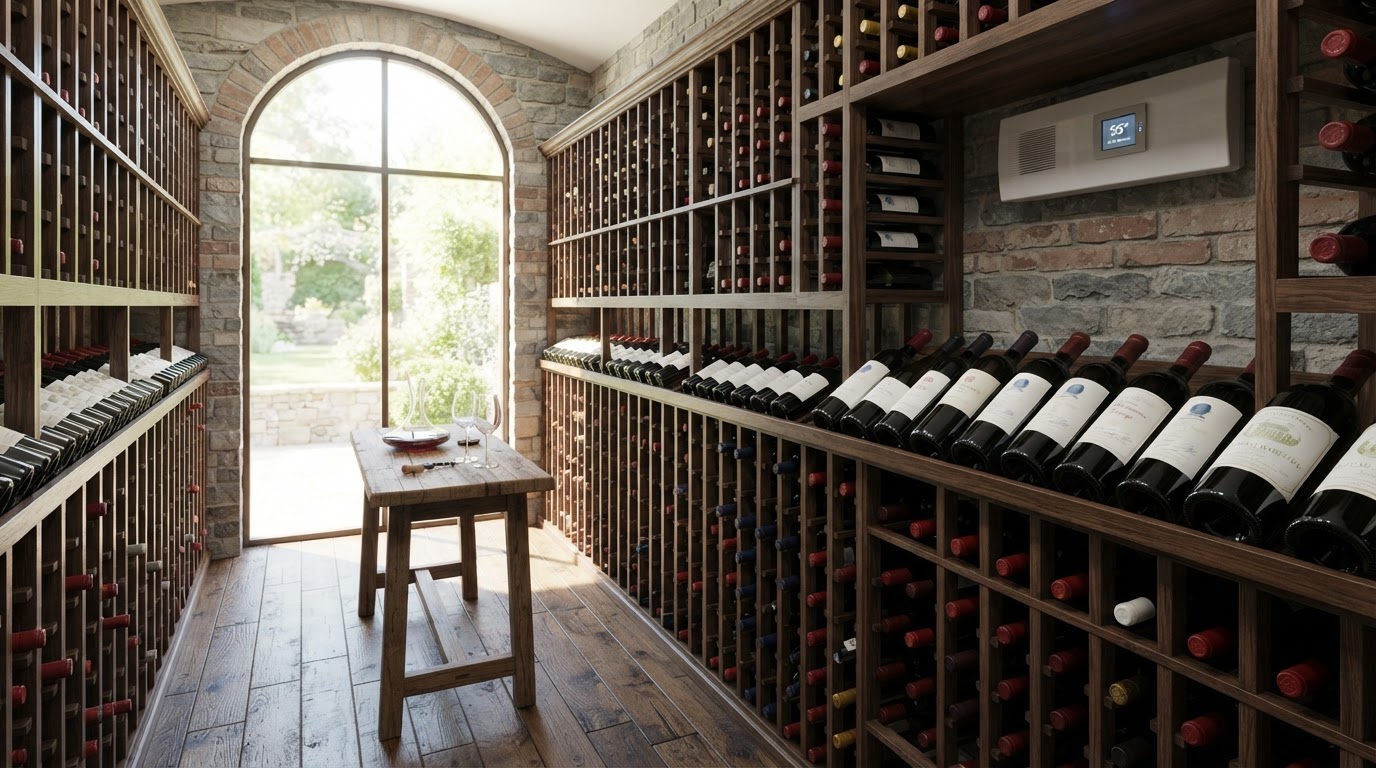
Is your wine collection thriving in its environment?
For wine enthusiasts, crafting the perfect collection goes beyond simply selecting the right bottles. Climate control plays an essential role in ensuring that your prized wines age gracefully. But can your home's existing climate zone truly support optimal wine storage? Or does your collection require a dedicated wine cellar to thrive?
Why This Matters Now
In recent years, the home climate conversation has evolved. As people invest more in home improvements, particularly post-pandemic, wine cellars are becoming a popular trend among homeowners. With wine consumption on the rise, understanding how environmental factors influence your collection is critical. Factors like temperature fluctuations, humidity levels, and light exposure can adversely affect your wine, making it essential to have the right conditions.
Expert Perspectives
Perspective: Jeremy W. Olsson, HVAC Contractor, Owner of Climate Control Solutions
According to Jeremy W. Olsson, the ideal temperature for wine storage is between 55°F and 65°F. He explains that most homes maintain an average temperature range that can fluctuate significantly. "While your home might be comfortable for your family, it's not necessarily suitable for wine," he says. Olsson sheds light on the fact that ordinary HVAC systems often lack the ability to maintain the consistent environment needed for wine.
Olsson outlines key reasons why dedicated wine cellars are crucial:
- Temperature Consistency: A dedicated system can maintain a consistently cool temperature, which is essential for aging wine.
- Controlled Humidity: Proper humidity levels between 50-70% help prevent corks from drying out. Non-dedicated spaces may not maintain this humidity.
- Protection from Light: Ultraviolet light can deteriorate wine quality, and basements or closets aren't impervious to these rays. A wine cellar can ensure protection from exposure.
Perspective: Dr. Lisa Sparks, Energy Analyst, Principal at Spark Innovations
Dr. Lisa Sparks emphasizes the importance of energy efficiency in maintaining appropriate wine storage conditions. "Investing in a dedicated wine cellar is not just about preserving wine; it's also about sustainability," she states. She highlights that modern wine cellars can be designed to be energy-efficient while providing the necessary environmental conditions.
According to Dr. Sparks:
- Energy Use: Dedicated wine cellars can use less energy than trying to modify existing HVAC systems. With better insulation and effective climate controls, these cellars can maintain temperature without excessive energy input.
- Long-term Savings: By avoiding spoilage and the need to replace damaged wine, homeowners can save money in the long run.
- Home Value: A well-maintained wine cellar can add value to your home, making it appealing for future buyers who appreciate wine culture.
Perspective: Michael T. Tanner, Home Inspector, Owner of Tanner Inspections
Michael T. Tanner, a home inspector, raises the concern of potential damage from improper storage. "Homeowners think that simply putting wine in a cool, dark place is enough. They are often unaware of how quickly temperature fluctuations can deteriorate quality," he says. Tanner advises homeowners to consider how their wine is stored in conjunction with the overall health of their living spaces.
He notes several health risks of improper wine storage:
- Structural Damage: Wines improperly stored can lead to mold, which could become a health risk in other areas of the home.
- Financial Loss: Losing a collection to improper storage can lead to losing thousands of dollars' worth of investment.
- Informational Awareness: Homeowners should educate themselves on wine storage practices, as many are ill-informed about what their wines truly need.
Editorial Synthesis
Where Experts Agree
- A dedicated wine cellar is beneficial for maintaining the ideal temperature and humidity for wine storage.
- Improper storage can lead to financial loss and damage, both to the wine and the home itself.
- The value of the home can increase with a well-maintained wine cellar.
Where Experts Disagree
- Jeremy Olsson emphasizes the physical differences in HVAC systems, while Dr. Lisa Sparks focuses more on energy efficiency.
- Michael Tanner presents a concern about structural consequences more than the benefits of energy savings.
Why This Matters
Investing in a dedicated wine cellar is not just about curating a collection; it's about safeguarding your investment. Each bottle you own carries its history, and its potential to develop exquisite flavors rests on the environment in which it is stored. With many experts endorsing climate control as a fundamental aspect of maintaining a wine collection, the question is: Are you ready to create a comfortable climate for your wine? Proper understanding and action can not only refine your wine experience but also elevate your home's overall functionality. Remember, a thriving wine collection is a reflection of attentive care and informed choices.
The Voices
 HVAC Contractor, Owner of Climate Control Solutions
Jeremy W. Olsson
Pro Climate Control
HVAC Contractor, Owner of Climate Control Solutions
Jeremy W. Olsson
Pro Climate Control
A dedicated climate zone for wine collections is crucial, as temperature fluctuations can significantly alter the wine's flavor and aging process. Proper HVAC systems ensure consistent temperature and humidity levels ideal for wine storage.
 Energy Analyst, Principal at Spark Innovations
Dr. Lisa Sparks
Balanced Perspective
Energy Analyst, Principal at Spark Innovations
Dr. Lisa Sparks
Balanced Perspective
While it's essential to maintain optimal conditions for wine, not every home owner may require a dedicated cellar. Alternatives like high-quality storage solutions can effectively balance space and environmental needs.
 Home Inspector, Owner of Tanner Inspections
Michael T. Tanner
Support Substitutes
Home Inspector, Owner of Tanner Inspections
Michael T. Tanner
Support Substitutes
While a dedicated wine cellar is optimal, it's often not necessary for all wine collectors. Many can successfully store wines in temperature-stable areas of their homes with proper insulation and monitoring.
The Necessity of Dedicated Wine Cellars
A dedicated wine cellar is essential for preserving the quality of wine collections.
References
- Home Heating and Cooling Energy.gov
- Best Wine Coolers of 2023 Consumer Reports
- Standard 55-2017: Thermal Environmental Conditions for Human Occupancy ASHRAE