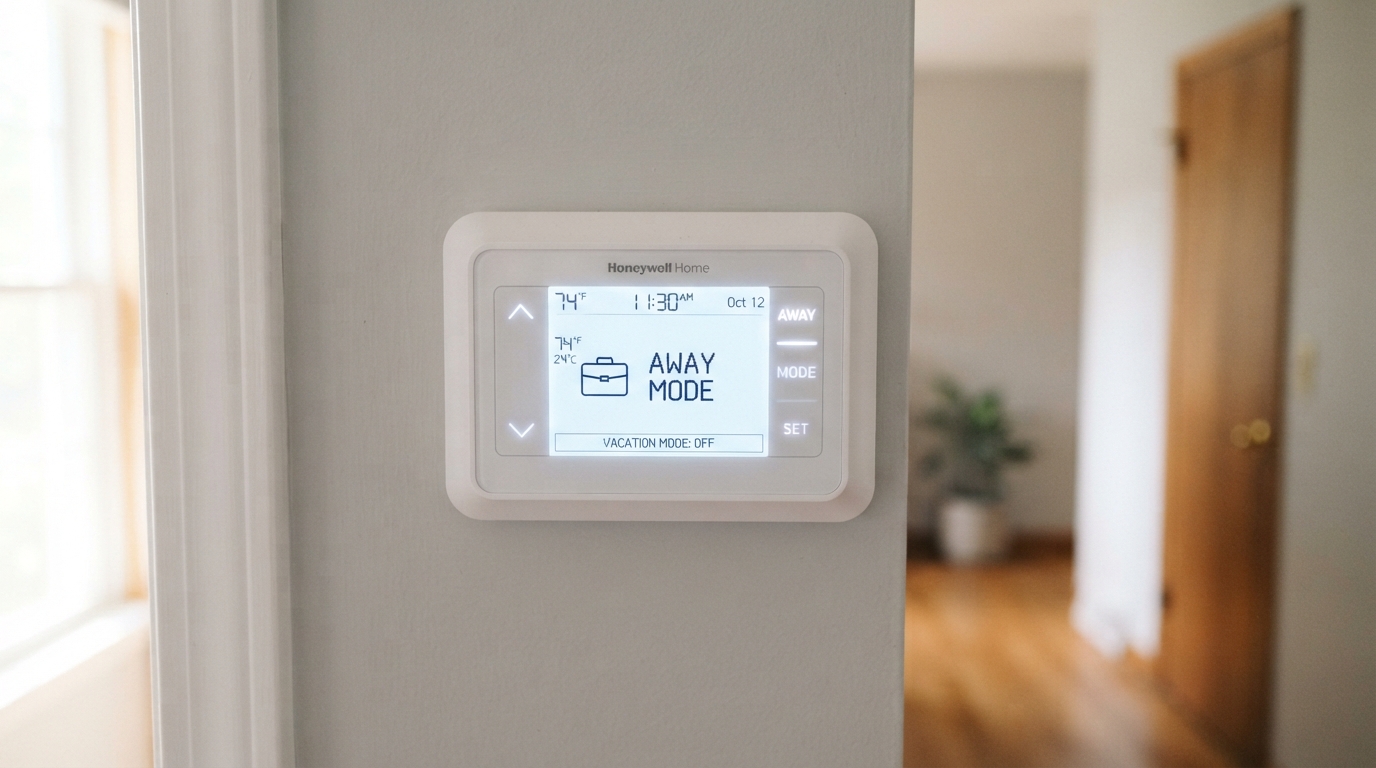
Have you ever been away from home, blissfully enjoying your vacation, only to return to a shocking utility bill? You may be unknowingly caught in a common mix-up between Away Mode and Vacation Mode on your smart thermostat. But what's the difference, and why does it matter?
Why This Matters Now
As many homeowners become increasingly conscious of their energy consumption and its impact on their bills, understanding the nuances of home climate settings has never been more critical. With rising energy costs and heightened awareness of our environmental footprint, the ways we operate our heating and cooling systems can heavily influence both our wallets and the planet.
Perspectives on the Mix-Up
Perspective: Mike Foti, President of Ohio Energy Solutions
Mike Foti emphasizes that navigating these two modes is crucial. "Many people think they're saving energy by setting their thermostat to Vacation Mode, but if they accidentally leave it in Away Mode, their energy consumption can skyrocket."
Foti clarifies the difference: "Vacation Mode is designed to lower the temperature significantly without shutting off completely. Away Mode, on the other hand, sets the thermostat to a predetermined economical temperature—but if misconfigured, it could mean not enough temperature difference to manage energy use effectively."
Perspective: Sarah Smith, Energy Analyst at GreenTech Media
Sarah Smith points out that the confusion surrounding these settings is prevalent, especially as smart technology becomes more complex. She notes, "One of the biggest pitfalls we see is that users don't realize these modes behave differently in terms of humidity control as well."
Smith explains that while Vacation Mode may maintain a stable environment to prevent mold and other issues, Away Mode's focus on savings could inadvertently result in humidity levels rising when the air conditioning isn't operating efficiently.
Perspective: Tom Johnson, HVAC Contractor at EcoComfort Solutions
Tom Johnson takes a practical stance, noting that hands-on experience often uncovers the issues with these modes. "I routinely get calls from clients who say their home is too hot or too cold when they return, and it often traces back to incorrectly set modes," he explains.
Johnson affirms both modes have their benefits. "Vacation Mode is ideal for longer outings, while Away Mode can work for short absences. However, knowing how to set them properly can make all the difference in energy efficiency and comfort upon return."
Editorial Synthesis
Where Experts Agree
- Importance of Awareness: All experts stress the need for homeowners to understand the difference between Away Mode and Vacation Mode to prevent unnecessary energy waste.
- Impact on Comfort: They agree that the settings affect not just energy bills but also home comfort, particularly in terms of humidity control.
- Technology Complexity: The increasing complexity of smart HVAC systems can lead to confusion among users about which setting to choose.
Where Experts Disagree
- Efficacy of Modes: Mike Foti prefers emphasizing Vacation Mode for its careful energy management, while Tom Johnson advocates for a more tailored approach depending on the length of absence.
- User Responsibility: Sarah Smith argues that the technology should provide clearer guidance, while Foti feels homeowners must take more initiative to learn these settings.
Why This Matters
Understanding the distinctions between Away Mode and Vacation Mode isn't just about protecting wallets from high bills; it's about mastering your home's comfort and energy efficiency. Incorrectly using either setting can lead to unnecessary consumption. This not only spikes your utility bills but can also contribute to a larger environmental impact if misused on a broader scale. In a time of rising energy costs and increased scrutiny of our carbon footprints, even small missteps can have significant consequences.
Being aware of the right mode to use can save you money and help you maintain a comfortable home environment. Ensuring that your smart thermostat operates as intended requires less guesswork and more awareness. Homeowners should take the time to familiarize themselves with these features. Doing so can ease the worry of returning home to unexpected expenses, all while contributing positively to energy conservation efforts.
So, next time you're preparing for a trip, check those settings. You might just save yourself from a rude awakening upon your return.
The Voices
 HVAC Contractor
Mike Foti
Pro Vacation Mode
Using Vacation Mode drastically reduces energy consumption during long absences. It prevents unnecessary heating or cooling, saving homeowners significant amounts on their energy bills while away.
 Home Inspector, Smith Home Inspections
Sarah Smith
Cautious Oversight
While both modes can save energy, the effectiveness largely depends on specific home systems and settings. Homeowners need guidance on selecting the right mode based on their individual needs.
 HVAC Contractor, EcoComfort Solutions
Tom Johnson
Pro Away Mode
Away Mode is generally more efficient for shorter absences as it allows for a comfortable temperature range without completely shutting down the system, preventing issues like humidity build-up.
Navigating the Energy Landscape: Choosing the Right Thermostat Setting
Choosing the correct thermostat setting is vital for energy savings and home comfort.
References
- Home Heating & Cooling Energy.gov
- Thermostat Settings for Energy Efficiency ENERGY STAR
- How to Program Your Thermostat Consumer Reports