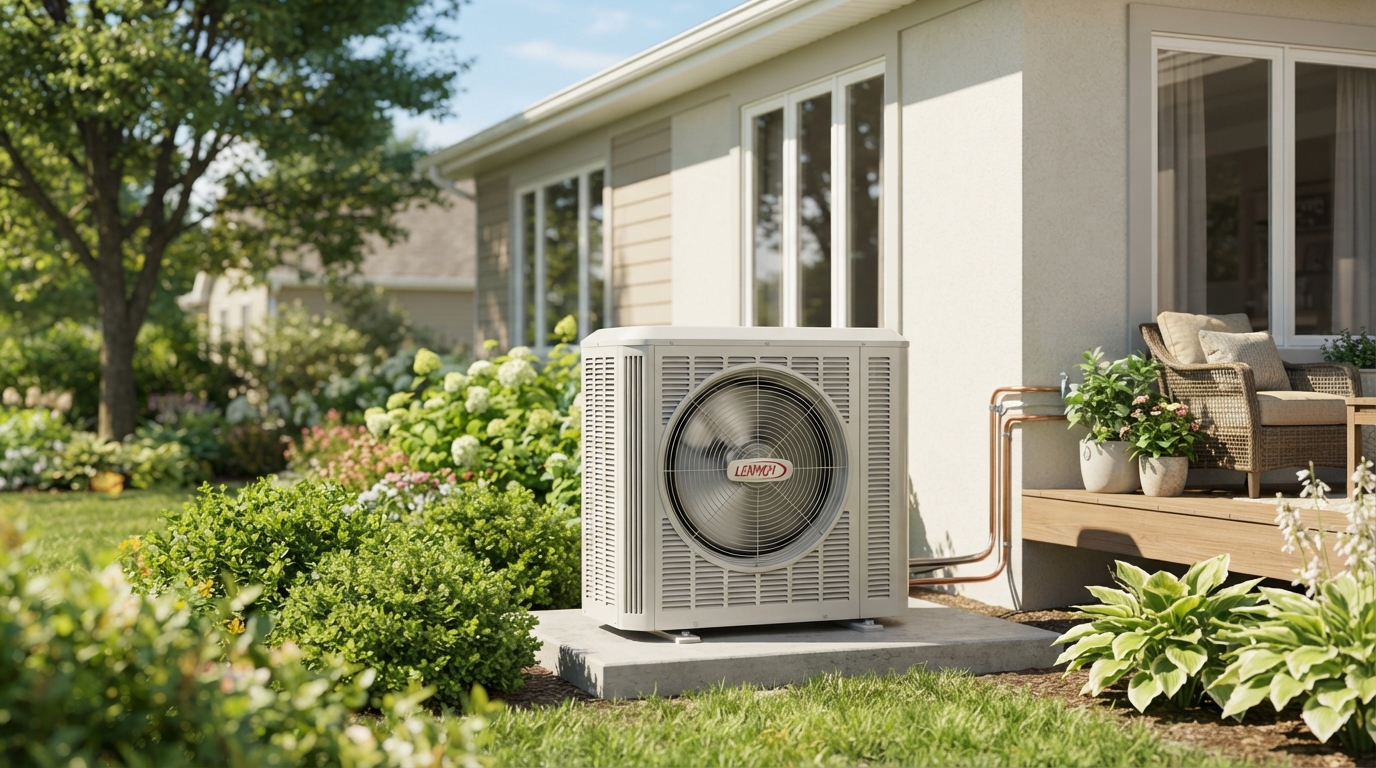
As the temperatures climb and summer approaches, many homeowners find themselves glued to their thermostats, anxiously watching their air conditioning units run incessantly. It's a common belief that if the AC is not running non-stop, it's somehow not working hard enough to keep your home comfortable. But is that really the case?
Why This Matters Now
With energy costs rising and concerns about climate change growing, reevaluating how we use our air conditioning systems is crucial. Understanding how your AC operates, including its efficiency and performance, can save you money and reduce your carbon footprint. This discussion isn't just timely—it's essential for the modern homeowner who wants to balance comfort and responsibility.
Expert Perspectives
Perspective: Bob Vila (Home Improvement Expert)
As someone who has spent decades in the home improvement space, Bob Vila often sees homeowners misunderstand how air conditioning systems operate. "The truth is, your AC's job is to maintain a specific temperature, and it doesn't mean it has to run constantly to be effective," Vila states.
He emphasizes that many modern air conditioning units are designed to cycle on and off based on the needs of your home. "Rather than viewing a running AC as a sign of efficiency, think of it as a well-oiled machine doing its job by only working as hard as it needs to."
Bob also points out the importance of regular maintenance. A well-maintained unit can cool your home efficiently without the need to run all the time.
Perspective: Derrick Smith (HVAC Technician)
Derrick Smith, an HVAC technician with over a decade of experience, agrees with Vila's assessment but takes it a step further. "Your AC is designed to function efficiently, adjusting its operation based on the cooling demands of your home. Just because it's not running non-stop doesn't indicate a problem. You need to consider how the unit's efficiency can actually be a relative term."
Smith notes that air conditioning units operate on a thermostat-based system. "When your home reaches the set point on your thermostat, the AC will shut off. This is not a sign of inefficiency; it's a sign of the system working as intended. In fact, if an older unit runs all the time, that could indicate inefficiency or issues like low refrigerant levels."
Perspective: Sarah Johnson (Energy Analyst)
From the perspective of energy efficiency, Sarah Johnson shines a light on the broader implications of homeowners' constant AC usage. "Many people assume that more running time means better cooling, but that's often a misconception that can strain their wallets and burn unnecessary energy," she explains.
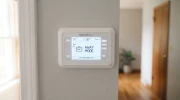
Johnson emphasizes that many homes are over-cooled, leading to discomfort and constantly running systems. "By implementing smart thermostats and better insulation, homeowners can allow their AC to cycle less frequently while still maintaining comfort levels."
She points to studies showing that optimizing your cooling strategy can lead to energy savings of up to 30%. "It's not just about running your AC less frequently; it's about running it more intelligently," Johnson concludes.
Editorial Synthesis
Where Experts Agree
- Your AC unit is designed to cycle on and off based on your home's temperature needs.
- Regular maintenance improves efficiency and can reduce unnecessary running time.
- Optimizing cooling strategies can yield considerable energy savings.
Where Experts Disagree
- Whether constant running indicates inefficiency (some say it does, while others argue that it can be acceptable for certain models).
- The degree to which homeowners should intervene with smart technology and enhancements may vary depending on comfort preferences.
Why This Matters
Understanding that your air conditioning doesn't need to constantly run to be effective can not only save you money but also allow you to contribute to a more sustainable environment. In a time when we are increasingly aware of our energy usage's impact on the planet, paying attention to the efficiency of our home systems is more important than ever.
Consider investing in regular AC maintenance and upgrading to a smarter thermostat. Your comfort and energy bills will thank you, while also minimizing your carbon footprint. Remember, in home's climate control, efficiency often outweighs the simple act of running hard.
Making informed decisions today can lead to a more manageable and enjoyable climate in your home for years to come.
The Voices
Bob Vila emphasizes the importance of proper AC use in maintaining comfort and efficiency. He notes that while an AC may not need to run constantly, consistent maintenance is key to its effectiveness.
 HVAC Technician
Derrick Smith
AC Efficiency Advocate
Derrick Smith believes that an AC does not need to run constantly to be effective. He asserts that modern systems are designed to cycle on and off based on specific conditions, which can actually save energy without sacrificing comfort.
 Energy Analyst, Green Home Solutions
Sarah Johnson
Constant Comfort Proponent
Sarah Johnson argues that while it’s not necessary for AC units to run continuously, doing so can enhance indoor air quality and comfort levels. She emphasizes that homeowners should aim for a consistent temperature for optimal living conditions.
Rethinking AC Usage for Comfort and Efficiency
Understanding how your AC operates can lead to significant energy savings and enhanced comfort.
References
- Air Conditioning Energy.gov
- Cooling Your Home ENERGY STAR
- Understanding Air Conditioning Systems ASHRAE