What if there was a way to stay cool without cranking up your air conditioning? With rising energy prices and a growing desire for more sustainable living, modern homeowners are reconsidering whole-house fans as a potential solution. Are they truly effective? When should you choose them over traditional AC? Let's explore.
Why This Matters Now
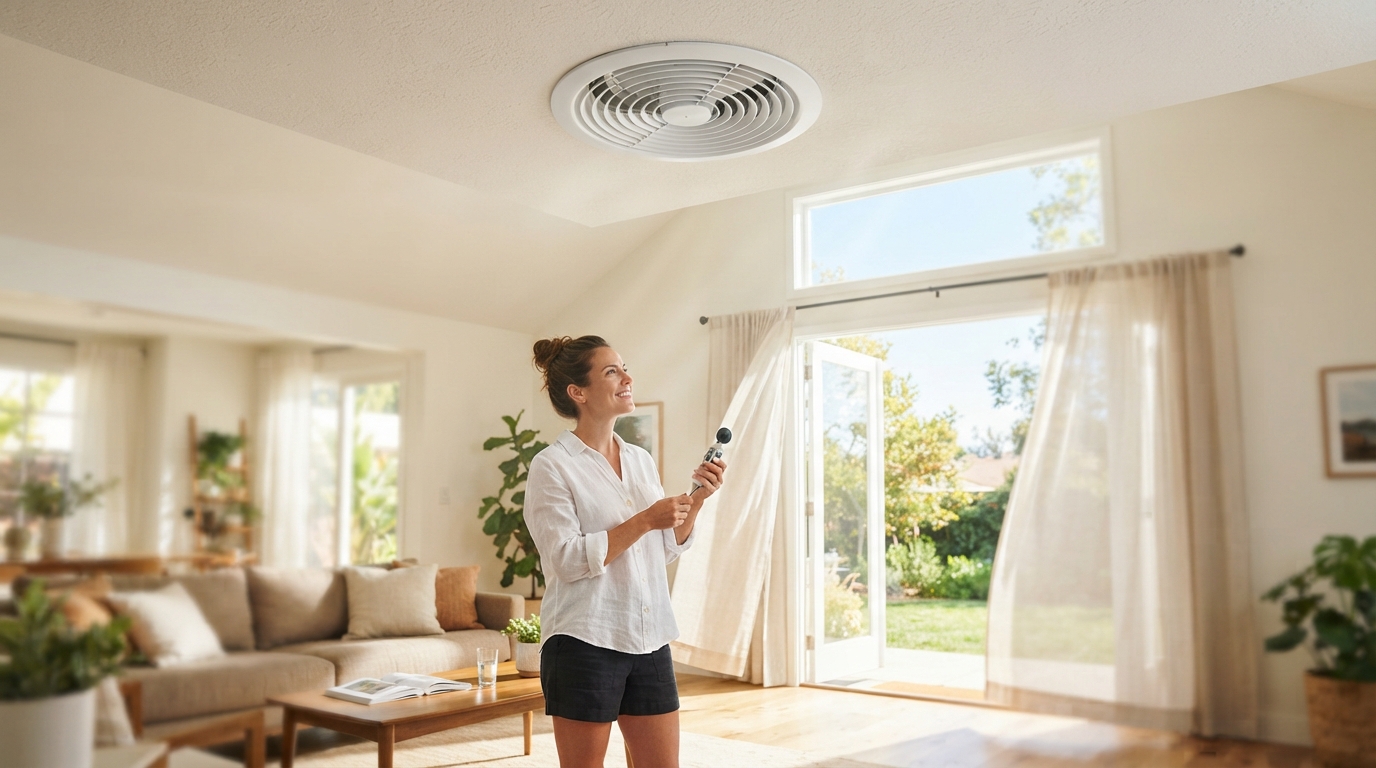
As summer temperatures rise, homeowners are looking for strategies to beat the heat without breaking the bank. While air conditioning remains the go-to cooling method, increasing electricity rates and environmental concerns are prompting a renewed interest in alternative cooling solutions. Whole-house fans—designed to draw in fresh outdoor air while expelling hot indoor air—are resurfacing as an appealing option, but their effectiveness depends on several factors. Understanding when these fans can outperform air conditioning is crucial for the modern homeowner.
Expert Perspectives
Perspective: John D. Shea (HVAC Contractor)
John D. Shea emphasizes that whole-house fans can be a game-changer in the right conditions. "These fans work best during the evening and early morning when outside temperatures drop. They can quickly bring cooler air into your home, reducing indoor temperatures significantly. In fact, you can often drop the temperature of your home by 10 to 20 degrees Fahrenheit without using your AC at all."
Shea also cautions homeowners about humidity levels. "In humid climates, these fans may not be as effective. They can bring in moisture-rich air, which can make your home feel muggy. In such situations, relying solely on a whole-house fan might not deliver the comfort homeowners are looking for."
Perspective: Dr. Emily Zhang (Energy Analyst)
Dr. Emily Zhang highlights the energy savings potential of whole-house fans. "Using a whole-house fan can significantly reduce energy costs, particularly in regions where nighttime temperatures drop. For instance, in some areas, you can save up to 50% on your cooling bills."
Zhang explains that the effectiveness of these fans also depends on insulation. "A tight, well-insulated home is ideal for maximizing the efficiency of a whole-house fan. If your home is poorly insulated, the benefits can be minimal, as you will let cool air escape quickly."
Perspective: Mike Thompson (Building Scientist)
Mike Thompson offers a scientific perspective, focusing on the broader environmental impact. "Whole-house fans promote natural ventilation, using less energy compared to traditional AC systems. This is crucial in the context of climate change, where reducing energy consumption can significantly lower your carbon footprint."
Thompson agrees with Shea on the humidity factor but adds another layer. "Excessive reliance on either system without understanding local weather patterns can backfire. Homeowners should consider hybrid systems or programmable options that work together, ensuring you use the most energy-efficient method based on real-time temperature and humidity levels."
Editorial Synthesis
When considering whole-house fans versus air conditioning, it's clear that circumstances matter.
Where Experts Agree
- Energy Efficiency: All three experts agree that whole-house fans can significantly reduce energy costs, especially in temperate climates.
- Climate Sensitivity: All emphasize the importance of local climate conditions when choosing between whole-house fans and AC.
- Insulation Importance: The effectiveness of a whole-house fan increases with better insulation and tighter homes.
Where Experts Disagree
- Humidity Concerns: While Shea highlights the drawbacks of increased humidity, Zhang views it as less significant in many households, especially if well-managed.
- Optimal Usage: Thompson suggests hybrid solutions or combinations of fans and AC, while Shea focuses solely on fans for effective cooling.
Why This Matters
The resurgence of whole-house fans represents a shift towards more sustainable and cost-effective cooling solutions. For homeowners weighing their options, knowing when to opt for a whole-house fan can lead not only to comfort but also substantial savings. As energy costs continue to rise and the global conversation on climate intensifies, integrating natural cooling methods like whole-house fans into your home can offer significant advantages. By making informed choices, you can create a home environment that is not only more comfortable but also more environmentally friendly.
So, is it time to embrace the whole-house fan again? It may be worth a closer look, especially if you're in a climate that supports their use and you wish to reduce dependency on traditional air conditioning. The perfect balance might be a combination of both methods, using fans to handle the cooler overnight hours and reserving the AC for the peak heat of the day when outdoor air simply can't do the job alone.
The Voices
 HVAC Contractor
John D. Shea
Pro Whole-House Fans
John advocates for whole-house fans as an energy-efficient alternative during mild weather, noting they can significantly reduce cooling costs while enhancing indoor air circulation.
 Energy Analyst
Dr. Emily Zhang
Balanced Perspective
Dr. Zhang emphasizes the need to consider both whole-house fans and air conditioning systems depending on regional climate, house design, and user comfort preferences.
 HVAC Contractor
Mike Thompson
Pro Air Conditioning
Mike argues that while whole-house fans can save energy, they may not always provide sufficient cooling during high heat periods, making air conditioning essential for consistent comfort.
AirHome's Take on Whole-House Fans
Whole-house fans can be a smart choice for energy-conscious homeowners in the right conditions.
References
- Whole House Fans Energy.gov
- Cooling Your Home: Whole House Fans ENERGY STAR
- Whole House Ventilation ASHRAE