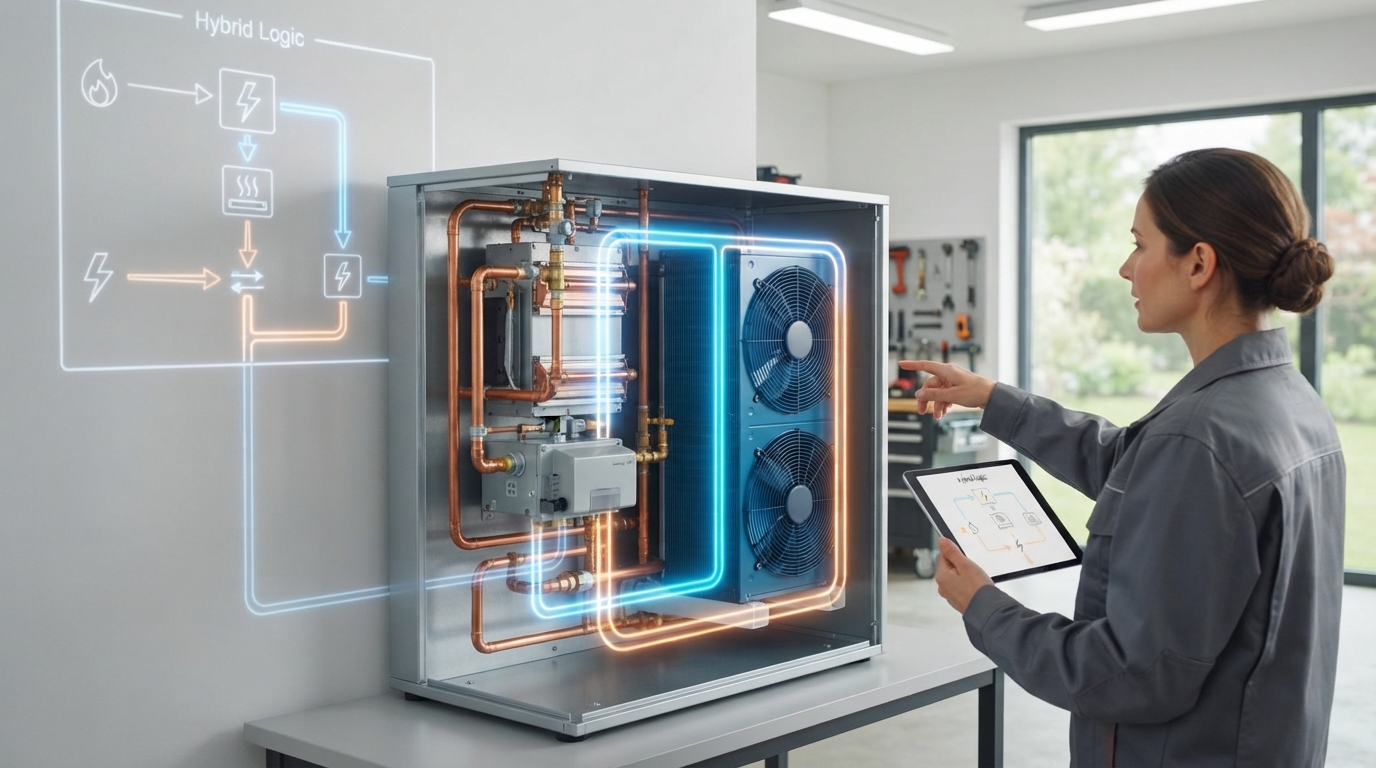
Are you confused about the best heating solution for your home? With energy costs fluctuating and environmental concerns looming larger than ever, homeowners face a pressing dilemma: Should you invest in a traditional gas system, an electric setup, or a hybrid option that combines the two?
Context: Why This Matters Now
As energy bills continue to rise and more homeowners seek sustainable options, dual-fuel heating systems have emerged as a viable solution. These systems automatically switch between gas and electric depending on which is more cost-effective at any given time. With innovations in technology and a growing emphasis on energy efficiency, it's essential to understand the advantages and disadvantages of dual-fuel systems.
Perspectives from the Experts
Perspective: Kyle O'Brien (HVAC Technician & Educator)
Kyle O'Brien has spent years working with various heating systems and emphasizes the practicality and efficiency of dual-fuel systems.
"From an HVAC technician's standpoint, dual-fuel systems offer flexibility and the capability to optimize energy usage based on current market rates for gas and electricity. They often lead to lower utility bills, especially during peak usage times when electricity rates soar. Beyond cost savings, they also align well with different home designs and personal preferences."
Kyle also addressed the ease of installation. "Most systems can be retrofitted into existing setups without significant renovations, making them accessible for many homeowners. They can operate seamlessly together, which is key for people who may not know where their energy savings might come from."
Perspective: Tara Fletcher (Energy Analyst)
As an energy analyst, Tara Fletcher looks at dual-fuel systems through an environmental lens.
"These systems are not just a fantastic choice for cost savings; they represent a significant step toward better energy management and lower carbon emissions. When demand for electricity peaks, it's usually during hot summer days where traditional electric systems may struggle. Switching to gas during these times can help alleviate pressure on the electrical grid, resulting in fewer blackouts and better overall stability. Additionally, they can also be programmed to prioritize renewable energy sources when available."
Tara warns, however, that not every home may benefit equally. "The effectiveness largely depends on a region's energy infrastructure. Urban areas might have much greater access to renewables compared to rural areas. It's crucial to assess what your local energy landscape looks like before jumping in."
Perspective: David Liang (Building Scientist)
David Liang, a building scientist with years of experience in studying building performance, brings a practical viewpoint to the conversation.
"A dual-fuel system can be incredibly efficient, but it also has to be evaluated in terms of the whole building's performance. Proper insulation and air sealing play a huge role in energy efficiency. If your home is leaking air, it won't matter how advanced your heating system is—you'll waste energy. For dual-fuel systems to shine, they need to be part of a holistic approach to home energy management."
David also raises a critical point about maintenance. "These systems can be more complex, with more components that may need regular maintenance. Homeowners should ensure they have a reliable HVAC technician who understands hybrid systems to keep everything running smoothly."
Editorial Synthesis
Where Experts Agree
- Dual-fuel systems can lead to lower energy bills by automatically switching between gas and electric.
- A well-insulated and managed building enhances the benefits of dual-fuel systems.
- Understanding local energy markets is essential for making an informed decision about whether to install a dual-fuel system.
Where Experts Disagree
- The necessity of dual-fuel systems in every home is debated—some experts argue they are more effective in certain climates or setups.
- Opinions vary on the complexity of maintenance and whether homeowners should feel empowered to manage that aspect independently or rely on professionals.
Why This Matters
As homeowners become more aware of their energy choices, understanding dual-fuel systems can empower them to make informed decisions. With energy bills being a significant expense and environmental considerations becoming increasingly pressing, these systems could bridge the gap between traditional and modern heating solutions. They allow for personal choice in energy sources while also making a responsible choice for the environment. Homeowners must start to view energy efficiency as part of a larger narrative—one that reshapes the future of how we manage home climate and resource usage.
In conclusion, while dual-fuel systems offer undeniable benefits, it's crucial for homeowners to consider their unique situations. Cost savings, environmental implications, and maintenance requirements all play a vital role in deciding whether the hybrid approach is right for you.
The Voices
 HVAC Technician & Educator
Kyle O'Brien
Pro Hybrid Systems
HVAC Technician & Educator
Kyle O'Brien
Pro Hybrid Systems
Kyle advocates for dual-fuel systems as they offer superior versatility and can reduce energy costs. He believes the automatic transition between gas and electric ensures homeowners have reliable heating, making it an ideal solution for varied climates.
 Energy Analyst
Tara Fletcher
Con Environmental Impact
Energy Analyst
Tara Fletcher
Con Environmental Impact
While Tara acknowledges the benefits of convenience, she raises concerns about the environmental implications of continued reliance on gas. She argues that a full transition to electric solutions could better support sustainable energy goals.
 Building Scientist
David Liang
Balanced View
Building Scientist
David Liang
Balanced View
David provides a balanced perspective, recognizing that dual-fuel systems can be beneficial but urges careful consideration of long-term energy trends. He emphasizes the importance of tailored solutions that fit specific homeowner needs and local energy contexts.
Optimizing Comfort and Cost: The Case for Dual-Fuel Systems
Dual-fuel systems offer a balanced solution for cost-effective and sustainable home heating.
References
- Heat Pumps and Dual-Fuel Heating Systems Energy.gov
- Dual-Fuel Heating: The Benefits of Combined Systems Energy Star
- Buying a Heating System: Gas vs. Electric vs. Dual-Fuel Consumer Reports