As energy prices continue to rise, homeowners are constantly on the lookout for ways to cut costs and reduce their carbon footprints. One popular avenue has been exploring various hacks to optimize thermostat settings. But with so much advice floating around, which hacks can genuinely save you money?
Why This Matters Now
Recent reports show that residential energy use accounts for about 20% of the total energy consumption in the United States. The urgency for homeowners to find viable solutions to lower their energy bills has never been greater, especially as temperatures fluctuate due to seasonal changes. This article dives into five popular energy-saving thermostat hacks, testing their effectiveness with insights from trusted experts in the field.
The Hacks We Tested
- Adjusting Thermostat by 5 Degrees
- Using Zone Heating/Cooling
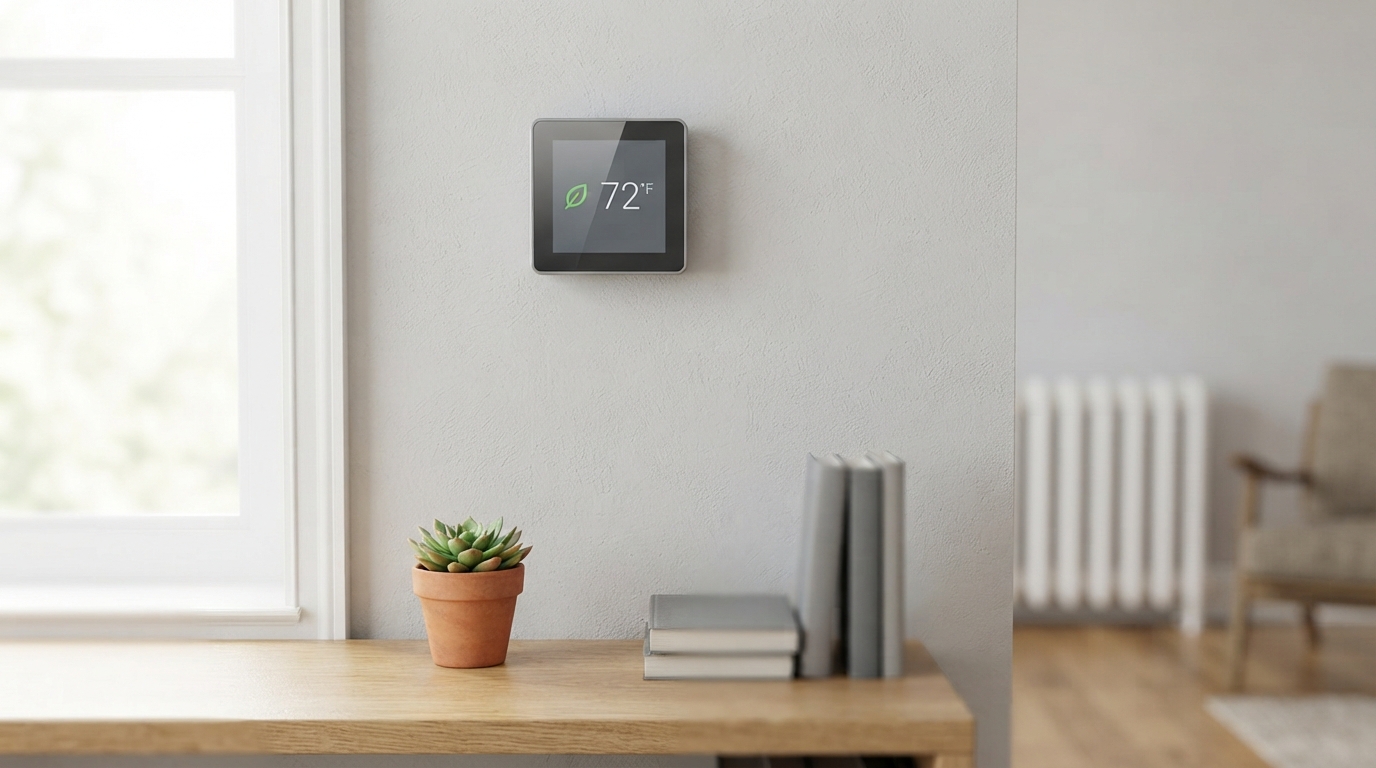
- Installing a Programmable Thermostat
- Utilizing Smart Features
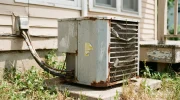
- Routine Maintenance
Let's hear what our experts have to say about each of these hacks.
Expert Perspectives
Perspective: Michael Bluejay (Energy Analyst)
Michael Bluejay emphasizes the importance of understanding energy consumption before making any adjustments. "Adjusting your thermostat a few degrees might seem trivial, but it's about leverage. A consistent change in temperature can lead to significant changes in energy use over time."
- Adjusting Thermostat by 5 Degrees: He supports this hack, noting a potential 10-15% decrease in energy usage with strategic adjustment.
- Using Zone Heating/Cooling: Bluejay finds this hack valuable, particularly in larger homes, as it allows for energy conservation by only heating or cooling the rooms being used.
Perspective: Angela Belanger (HVAC Technician)
Angela Belanger notes practical side effects of these approaches. "While some hacks might sound good in theory, the actual impacts vary based on your home's specific systems and needs."
- Installing a Programmable Thermostat: "This is beneficial if programmed correctly—but it can backfire if homeowners forget to set them up right, leading to wasted energy."
- Utilizing Smart Features: She believes smart thermostats can be helpful, but warns that they often require an initial investment that not all homeowners are willing to make.
Perspective: Dr. David H. Dull (Building Scientist)
Dr. David H. Dull brings a scientific approach to the discussion. "Energy-saving methods need to account for both efficiency and system integrity. It's not just about savings; it's also about ensuring your system doesn't overwork."
- Routine Maintenance: Dull backs this hack strongly, citing that regular checks and cleaning can improve efficiency by up to 30%. "Neglected systems often become the most inefficient. Regular upkeep saves money in the long run."
- Adjusting Thermostat by 5 Degrees: He has reservations about this method without context. "It can work, but the savings depend on the home's insulation and air leakage as well."
Editorial Synthesis
Where Experts Agree
- Routine Maintenance is crucial for efficiency and long-term energy savings.
- Zone Heating/Cooling can provide significant benefits in larger spaces.
Where Experts Disagree
- Adjusting the Thermostat: Mixed opinions exist on how effective a simple temperature adjustment really is without considering external factors.
- Smart Thermostats: While some see them as a worthwhile investment, others caution against their upfront cost without guaranteed returns.
Why This Matters
In essence, not all thermostat hacks are created equal. While some, like routine maintenance, deliver consistent results, others, such as merely adjusting the temperature, require careful consideration of your home's unique characteristics. As heating and cooling comprise nearly half of a home's energy usage, understanding these methods can empower homeowners to make informed decisions.
At the end of the day, optimizing your heating and cooling systems is more than just a quick fix; it's about creating a sustainable and efficient living environment. Picking the right hacks could lead to both immediate savings and long-term gains, making it worthwhile to invest the time to research what truly works for your home's specific needs.
The Voices
 Energy Analyst
Michael Bluejay
Pro Savings
Energy Analyst
Michael Bluejay
Pro Savings
Many energy-saving hacks can significantly reduce heating and cooling costs when implemented correctly. It’s essential to choose methods based on solid research to maximize their effectiveness.
 HVAC Technician
Angela Belanger
Caution Advised
HVAC Technician
Angela Belanger
Caution Advised
While some thermostat hacks may seem appealing, they can lead to unintended consequences, such as increased energy consumption or reduced comfort level. It's crucial to evaluate their practicality.
 Building Scientist
Dr. David H. Dull
Balanced View
Building Scientist
Dr. David H. Dull
Balanced View
It’s important to treat energy-saving hacks as part of a holistic approach to home efficiency. While some methods work better than others, tailored solutions based on each home’s characteristics yield the best results.
The Reality of Energy-Saving Thermostat Hacks
Some hacks can lead to savings, but their effectiveness is highly situation-dependent.
References
- How to Save Energy at Home Energy.gov
- Thermostats EnergyStar.gov
- Thermostat Control in Buildings ASHRAE