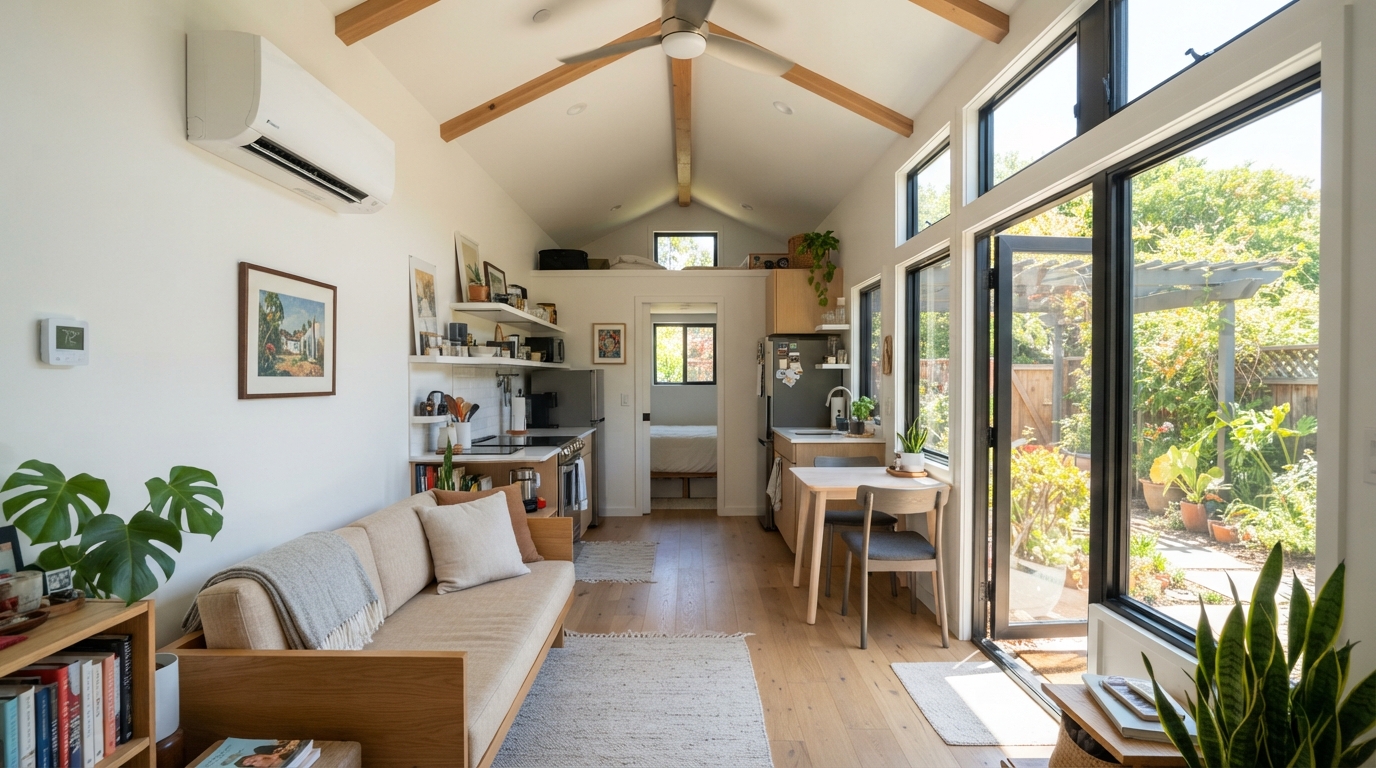
Ever thought about adding an Accessory Dwelling Unit (ADU) or a tiny home to your property? While the idea often conjures images of cozy spaces filled with sunlight, the reality of heating and cooling these compact residences can be surprisingly complex. With energy efficiency in the spotlight more than ever, how can homeowners ensure comfort in 400-square-foot living spaces without skyrocketing their energy bills?
The Importance of Climate Control in Tiny Spaces
As the trend toward tiny homes and ADUs grows, understanding how to manage their climates effectively is essential. More homeowners are seeking sustainable living solutions, and with that comes a heightened awareness of the impact of heating and cooling on energy consumption. If an ADU can function as a rental unit or guest space, it becomes increasingly vital to maintain a comfortable climate that won't compromise the homes' efficiency.
Experts agree that while small spaces may seem straightforward to heat and cool, several factors complicate the process. From HVAC systems to insulation quality, let's dive into the expert opinions on the matter.
Expert Perspectives
Perspective: HVAC Challenges in Small Spaces
Dr. David W. G. McCulloch, an HVAC engineer, outlines a common misconception:
"Many homeowners assume that the smaller the space, the easier it is to regulate its temperature. In truth, tiny homes face unique HVAC challenges due to their size, open designs, and potential lack of insulation. HVAC systems for ADUs must be specifically tailored to avoid overheating or overcooling."
Dr. McCulloch argues the need for adaptable, energy-efficient systems that can respond dynamically to the fluctuations in temperature that small spaces experience. He notes that many traditional HVAC units are simply overkill in a tiny home. Instead, homeowners should consider options like mini-split systems or ductless units.
Perspective: The Rise of Energy Efficiency
From the energy policy standpoint, Lisa H. Tran, an energy analyst, emphasizes the importance of energy-efficient solutions:
"ADUs can be goldmines for energy efficiency, but only if they are designed with climate control in mind. Effective insulation, high-quality windows, and energy-efficient appliances are crucial elements. If homeowners skimp on these aspects, they can face both discomfort and excessive energy costs."
Lisa highlights that an energy-efficient ADU not only benefits the homeowner but also contributes to broader environmental goals. With rising energy prices and increasing concerns over climate change, being proactive about energy efficiency in ADUs is more pressing than ever.
Perspective: Building Codes and Inspections
Mark J. Thompson, a seasoned building inspector, weighs in on the regulatory side:
"Building codes often don't catch up with the rapid growth in the tiny home movement. This can lead to subpar construction, which can greatly affect heating and cooling. Moreover, many ADUs are built without the same standards as primary residences, putting additional strain on HVAC systems."
Mark's insights underscore the importance of adhering to local codes and standards. He advocates for regular inspections, particularly when retrofitting existing structures, to ensure that both heating and cooling systems function as intended.
Perspectives Recap
Where Experts Agree
- Adaptability in HVAC Systems: All experts agree on the necessity of tailored HVAC solutions that can cater to the unique challenges of small spaces.
- Energy Efficiency is Key: High-quality materials and systems are essential for maintaining comfort while minimizing energy use.
- Regulatory Standards Impact Functionality: Building codes and standards can greatly influence the effectiveness of heating and cooling systems in ADUs.
Where Experts Disagree
- Ideal Systems: While Dr. McCulloch advocates for mini-split systems, Lisa Tran believes that investing in optimal insulation and performance-rated windows is equally, if not more, critical.
- Inspection Necessity: Mark Thompson sees regular inspections as essential, while others believe that if high standards are set initially, ongoing inspections may not be necessary.
Conclusion: Why This Matters
As we witness the rise of tiny homes and ADUs, understanding the intricacies of heating and cooling these compact living spaces is no longer just a concern for builders and engineers. It's vital for homeowners who want to create comfortable environments without sacrificing energy efficiency or affordability.
The expert insights highlight an important reality: while small spaces can provide cozy retreats with potential rental income, their climate control must be approached deliberately and thoughtfully. A few missteps can lead to uncomfortable living conditions and hefty utility bills, making it imperative for homeowners to consider every aspect of climate control during the design and construction of their spaces. By investing in high-efficiency systems, adhering to local codes, and prioritizing energy efficiency, homeowners can enjoy the benefits of tiny living without compromising comfort.
Now is the time for homeowners to take action. Whether you're planning to build, retrofit, or simply contemplating bringing an ADU to life, prioritizing effective heating and cooling strategies can make all the difference.
Quick Statistics
- 73% of homeowners are interested in energy-efficient housing solutions.
- 80% agree that climate control significantly impacts their living experience.
- 60% of tiny home owners report issues with heating and cooling in their spaces.
What's Next?
Would you consider investing in an ADU now that you know the climate control challenges?
[Form It Now] [Wait It Out]
The Voices
 HVAC Engineer
Dr. David W. G. McCulloch
Pro Small Systems
HVAC Engineer
Dr. David W. G. McCulloch
Pro Small Systems
Heating and cooling a 400-square-foot ADU demands precision in system selection and installation. Small spaces amplify both the benefits of energy-efficient solutions and the challenges related to uneven heating and cooling.
 Energy Analyst
Lisa H. Tran
Pro Passive Design
Energy Analyst
Lisa H. Tran
Pro Passive Design
In an ADU, incorporating passive design elements can greatly reduce the reliance on mechanical heating and cooling systems, leading to a more sustainable and cost-effective living space. This approach allows tiny home owners to embrace simplicity.
 Building Inspector
Mark J. Thompson
Balanced Approach
Building Inspector
Mark J. Thompson
Balanced Approach
While efficient heating and cooling systems are crucial for ADUs, it's important for homeowners to understand their unique building codes and climates. A comprehensive approach that blends technology with code compliance can lead to more comfortable living conditions.
Navigating Climate Control in ADUs: A Balanced Approach
Effective climate control in ADUs requires tailored strategies and careful planning.
References
- Energy Saver: Heating and Cooling Your Home Energy.gov
- Energy Efficiency in Small Homes and ADUs Energy Star
- 2019 ASHRAE Handbook – Fundamentals ASHRAE