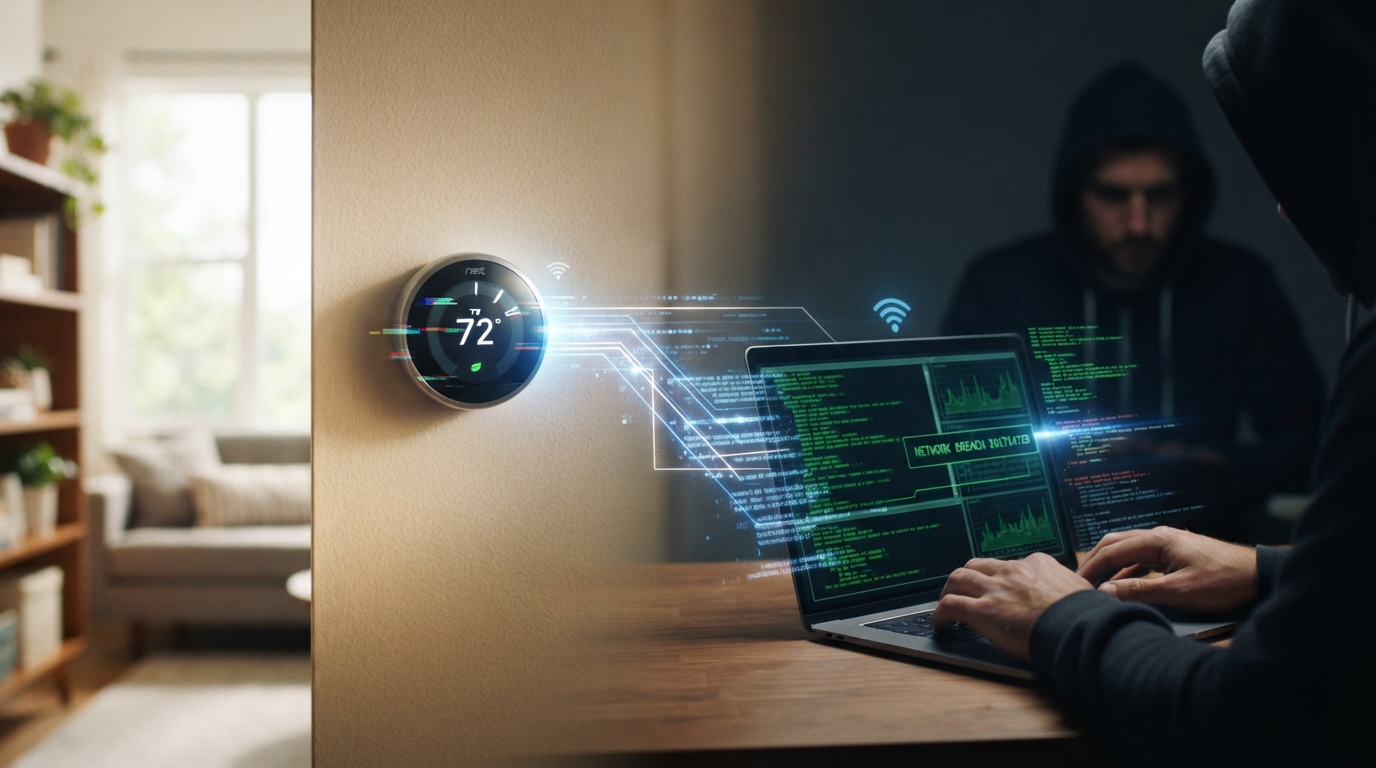
In an era where our homes are becoming smarter, a pressing question arises: Can someone hack your thermostat? With the convenience of remotely controlling your HVAC system from your smartphone, what vulnerabilities does this pose? Let's explore what a "smart" HVAC system actually exposes and how it influences our daily lives.
Why This Matters Now
As homeowners increasingly adopt smart technology, understanding the implications of these advancements has never been more essential. According to a recent survey, 73% of homeowners express concerns over the security of their smart devices. Those concerns are not unfounded, especially with rising cyber threats and far-reaching technological capabilities.
Expert Perspectives
Perspective: Mark G. Zandi (Chief Economist, Moody's Analytics)
Mark G. Zandi highlights the economic implications of smart home systems. "The convenience of smart thermostats is undeniable. However, the security risks associated with these devices should not be overlooked. They can become entry points for cybercriminals looking to exploit weaknesses." He emphasizes that as more consumers adopt smart technologies, it becomes essential for manufacturers to invest time and resources into robust security features.
Perspective: Jesse K. Yoder (HVAC Technician, Yoder HVAC Solutions)
Jesse K. Yoder offers a practical perspective from the HVAC side. "Many homeowners aren't aware that their smart thermostats can be susceptible to hacking. These devices often come with factory settings that can be easily overridden, leaving them exposed. Regular updates and security measures should be standard practice, just like changing your air filters." Jesse points to the importance of educating homeowners about secure foundational setups and ongoing maintenance.
Perspective: Rachael L. Glass (Building Scientist, EnergyWise Consulting)
Rachael L. Glass focuses on the science of smart home technologies. "While many devices have potential vulnerabilities, it's not just about the thermostat. Smart HVAC systems connect to numerous devices, potentially turning your home into an intricate network. If one device is compromised, it can lead to a domino effect affecting multiple systems." She argues for a comprehensive security approach that focuses on the interconnected nature of technology in our homes.
Editorial Synthesis
Where Experts Agree
- Increased Vulnerabilities: Experts all agree that the interconnectedness of smart devices increases vulnerability to hacking.
- Need for Security Awareness: There's a consensus on the necessity of awareness among homeowners about the risks related to their devices.
- Importance of Updates: Regular updates and security patches are essential to maintain the integrity of smart systems.
Where Experts Disagree
- Extent of Threat: Mark Zandi believes the threat is significant and growing, while Jesse Yoder feels many risks can be managed with proper home security practices.
- Market Response: There is a divergence in opinions on how quickly manufacturers should respond to address vulnerabilities; Rachael Glass believes swift action is critical, whereas Zandi advises a more measured approach, suggesting the market will catch up as consumer demand grows.
Why This Matters
The implications of hacking a thermostat extend beyond mere inconvenience. Mark Zandi notes that in a worst-case scenario, hackers could trigger systems that waste energy or compromise comfort — and in a connected home, that same access point can potentially be leveraged to probe for other vulnerabilities on the network. The financial cost of an exploited device isn't limited to a higher utility bill; it can extend to the broader expense of remediating a compromised home network.
Yoder echoes this concern from the maintenance side. "People think of hacking as something that happens to their laptop or their bank account. They don't think of their thermostat as a door into their house, but that's exactly what it can become if it's never updated," he says.
Glass adds that the fix isn't necessarily complicated, just neglected. "Change the default password, keep the firmware updated, and put these devices on a separate network if you can. Most of the risk comes from devices that were set up once and never touched again," she advises.
As smart homes become the norm rather than the exception, homeowners must treat their thermostats — and every other connected device — as part of their home's security perimeter, not just a convenience add-on. A little routine maintenance now can prevent your comfort system from becoming someone else's way in.
The Voices
 Chief Economist, Moody's Analytics
Mark G. Zandi
Cautious Approach
Chief Economist, Moody's Analytics
Mark G. Zandi
Cautious Approach
While smart HVAC systems enhance energy efficiency, they also pose potential security risks. Homeowners should remain cautious and ensure robust security measures are in place to mitigate hacking threats.
 HVAC Technician, Yoder HVAC Solutions
Jesse K. Yoder
Pro Smart Tech
HVAC Technician, Yoder HVAC Solutions
Jesse K. Yoder
Pro Smart Tech
Smart HVAC systems can significantly improve home comfort and energy efficiency, but it is crucial to implement proper security protocols. Regular updates and secure passwords are essential to prevent unauthorized access.
Navigating the Smart Home Security Landscape
Smart home security is a pressing concern that requires both awareness and proactive measures.
References
- Smart Thermostats: What to Know U.S. Department of Energy
- Smart Thermostats: Be Smart About Energy Savings ENERGY STAR
- The Risks of Smart Home Devices Consumer Reports