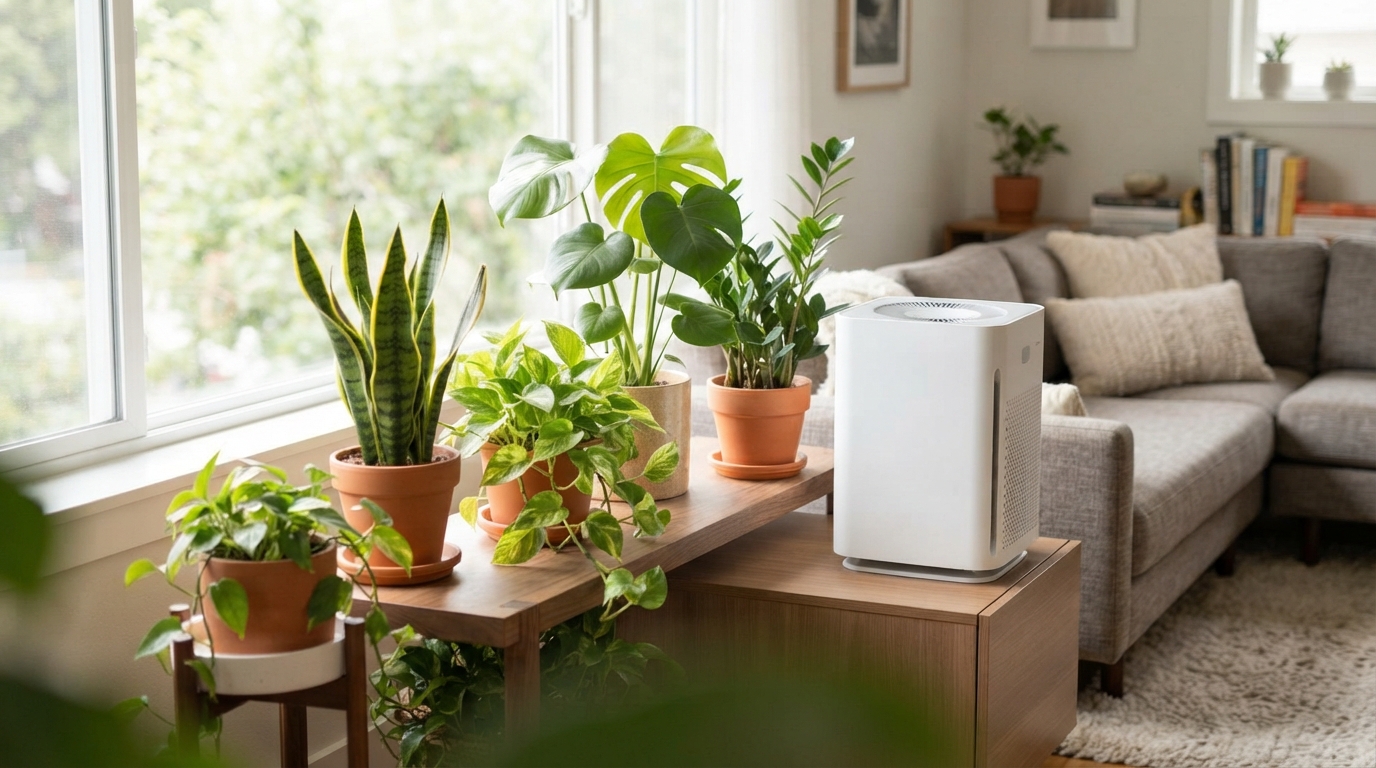
Are those houseplants really cleaning the air in your home? Most of us have been led to believe that keeping greenery indoors not only beautifies our spaces but also purifies the air we breathe. But how true is that claim? As homeowners increasingly focus on improving indoor air quality, it's crucial to parse through the myths and facts surrounding houseplants and their capability to clean the air.
Why This Matters Now
In recent years, air quality has become an escalating concern, especially in urban settings where pollutants are commonplace. The COVID-19 pandemic highlighted the importance of indoor air quality, serving as a wake-up call for many to reassess their home environments. With more people spending time indoors, understanding the factors affecting indoor air quality is paramount. This is where the conversation about plants often resurfaces, leading many to wonder if a few potted plants could actually be the air-purifying solution we need.
Expert Perspectives
Perspective: Pro-Plants as Air Purifiers
Dr. B. K. C. Mohler, a Building Scientist at the University of California, takes a more optimistic view regarding houseplants. "While most clinical studies suggest houseplants can't eliminate substantial amounts of indoor pollutants, they may still contribute to a healthier environment in minor ways," he says. Dr. Mohler points out that plants can act as a natural humidifier, potentially improving overall comfort levels. "In a well-balanced ecosystem, plants can enhance the airflow and humidity, which can be beneficial, especially in drier climates."
He also mentions how plants can create a psychological uplift, which indirectly contributes to better air quality through improved moods and reduced stress levels. The mere presence of greenery can enhance mental well-being, leading people to become more proactive about maintaining a clean indoor environment.
Perspective: Practical Realities
On the other hand, Emily Johnson, an HVAC Technician at EcoAir Solutions, provides a sobering counterpoint. According to her, houseplants should not be seen as a primary solution for purifying air. "While certain plants like snake plants and peace lilies do have some ability to absorb harmful toxins, numerous studies—including one from NASA—indicate their impact is negligible in the context of a typical home," she explains. Johnson emphasizes that mechanical air filtration and proper ventilation systems remain the gold standard for maintaining good air quality.
"Air exchangers and HEPA filters are designed to actively remove airborne contaminants. They are far more effective than any houseplant could be in that regard," she adds. Johnson also warns against the over-reliance on plants as a solution, urging homeowners to prioritize holistic approaches to indoor air quality improvements.
Perspective: Energy Efficiency and Air Quality
Marc Thompson, an Energy Analyst at EnergyWise Consulting, straddles the line between both perspectives. He agrees that while houseplants can have a minor role in enhancing air quality, it's essential to focus on energy efficiency initiatives and pollution sources when addressing indoor environments. "Energy-efficient insulation and proper ventilation systems can drastically reduce airborne contaminants, making the indoor environment healthier and more supportive of life," Thompson states.
He contends that the focus should primarily be on addressing the cause of pollution—proper systems that manage airflow and humidity. "Even if houseplants improve mental health, they shouldn't distract us from implementing robust airflow systems that are necessary for a healthy home."
Editorial Synthesis
Where Experts Agree
- Houseplants provide limited air purification benefits.
- Indoor air quality is crucial to overall health and happiness.
- Mechanical systems like HVAC play a vital role in improving air quality.
Where Experts Disagree
- The significance of plants as an air cleaning method is debated; Dr. Mohler sees some value, while Johnson does not.
- The psychological benefits of houseplants are regarded differently, with some experts advocating for their use in enhancing well-being.
Why This Matters
Understanding the capabilities and limitations of houseplants in improving indoor air quality is essential for modern homeowners. As we continue to prioritize healthy living environments, it's important to complement the aesthetics of greenery with practical solutions. While houseplants can elevate your mood and slightly improve humidity levels, it's crucial not to rely solely on them for air purification.
Incorporating robust ventilation systems, such as HEPA filtration and air exchangers, is the most effective way to tackle airborne contaminants. Ultimately, a balanced approach that combines the beauty of nature with the science of air quality is the best strategy for creating a truly healthy home environment. So go ahead and cherish those plants, but remember, they're just one small piece of the puzzle.
It's clear that creating quality indoor air requires a multi-faceted approach—one that brings together natural, mechanical, and lifestyle considerations for a healthier home.
The Voices
 Building Scientist, University of California
Dr. B. K. C. Mohler
Cautious Approach
Building Scientist, University of California
Dr. B. K. C. Mohler
Cautious Approach
While houseplants do offer some benefits for indoor environments, their ability to significantly purify air pollutants is overstated. It's crucial to prioritize proper ventilation and air filtration systems for enhancing air quality more effectively.
Houseplants can contribute positively to indoor spaces by enhancing mood and moisture levels. While they may not purify air as effectively as mechanical systems, integrating greenery can complement overall strategies to improve indoor air quality.
Understanding the Role of Houseplants in Indoor Air Quality
Houseplants alone can’t purify air, but they do enhance our indoor experience.
References
- Improving Indoor Air Quality Energy.gov
- Indoor Air Quality ASHRAE
- Do Houseplants Really Improve Indoor Air Quality? Consumer Reports