Opening Question
As a homeowner, you might find yourself asking: how much humidity is too much? With fluctuations in climate and the ongoing conversations around indoor air quality, understanding the sweet spot for humidity levels in your home is more essential than ever. But many are still guessing, and, unfortunately, many are guessing wrong.
Why This Matters Now
With climate change influencing our weather patterns and homes becoming more tightly sealed for energy efficiency, addressing indoor humidity has never been more critical. According to recent studies, improper humidity levels can lead not only to discomfort but can also foster health issues such as mold growth, respiratory problems, and even structural damage.
Homeowners often look for specific numbers, but the definition of "too much humidity" varies across expert opinions. To clarify this ambiguity, we've turned to three distinguished professionals in the field: Bill Spohn, President of Insight Engineering; Sonja Lunder, an Energy Analyst with HVAC expertise; and Tom McGowan, Senior Home Inspector at McGowan Inspections.
Perspective: Bill Spohn (Insight Engineering)
Bill Spohn argues that the typical metric homeowners should aim for is between 30% to 50% relative humidity. He emphasizes that anything above 60% can lead to undesirable conditions.
"Humidity levels that stay above 60% can create an environment conducive to mold growth, which can not only affect the home but also the health of its occupants." Spohn recommends regular monitoring during different seasons to adapt your humidity management accordingly.
Perspective: Sonja Lunder (HVAC Expertise)
Sonja Lunder takes a nuanced view, proposing that while the general guideline of 30% to 50% holds, the specific needs may vary depending on several factors, including geographic location and climate. For example, coastal areas may naturally have higher humidity levels.
"It's essential to recognize that different climates will feel comfortable at different humidity levels. Therefore, the focus should be on the comfort and health of the home's occupants rather than strictly adhering to a static number." Lunder suggests using dehumidifiers or humidifiers based on seasonal requirements and personal comfort levels.
Perspective: Tom McGowan (McGowan Inspections)
Tom McGowan brings a practical angle based on his experience in home inspections. He points out that many homeowners overlook the effects of humidity fluctuations.
"People often think more about air conditioning in the summer and heating in the winter, but they neglect how humidity interacts with temperature. When it comes to preventing issues like wood rot or paint peeling, staying vigilant about humidity year-round is crucial." McGowan recommends keeping an eye on both indoor and outdoor humidity levels and amending home practices accordingly.
Editorial Synthesis
While the experts present valuable perspectives, the conversation regarding ideal humidity levels appears to converge, with some discrepancies.
Where Experts Agree
- Humidity levels between 30% and 50% are generally acceptable for most homes.
- Levels exceeding 60% can lead to mold problems and other health concerns.
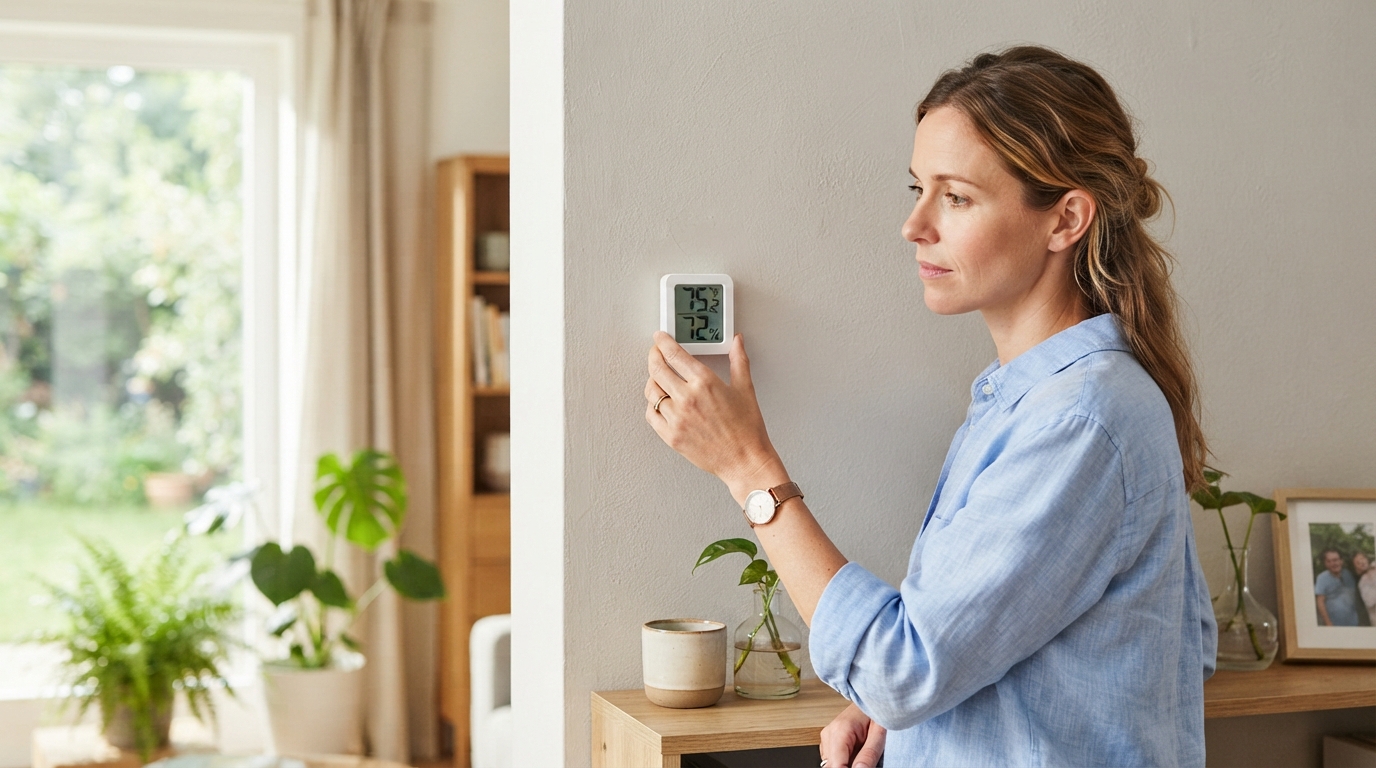
- Regular monitoring of indoor humidity is essential.
Where Experts Disagree
- The static number for "too much" humidity: Spohn asserts 60% is the cutoff, while Lunder is more flexible depending on geographic conditions.
- The methods for managing humidity may vary based on personal comfort and climate, according to Lunder, while McGowan emphasizes a year-round approach.
Why This Matters
In conclusion, navigating humidity levels in your home isn't merely a matter of following a guideline; it is about understanding the unique dynamics of your living environment. Homeowners should recalibrate their perceptions based on expert advice and pay close attention to the effects of humidity on their well-being and property.
The modern homeowner's journey toward optimal indoor air quality involves more than just looking at numbers. It begins with awareness, regular monitoring, and the readiness to adapt as conditions change. As climates continue to evolve, let's prioritize creating comfortable and healthy living spaces by making informed decisions regarding indoor humidity.
The Voices
 President, Truth Efficiency
Bill Spohn
Pro Humidity Control
Bill emphasizes that maintaining indoor humidity levels between 30-50% is crucial for comfort and health. He argues that exceeding this range can lead to mold growth and other indoor air quality issues.
 Energy Analyst, HVAC Expertise
Sonja Lunder
Balanced Approach
Sonja advocates for a balanced approach to humidity management, acknowledging that comfortable levels can vary by personal preference and regional climate. She suggests homeowners assess individual conditions rather than relying on a one-size-fits-all number.
 Senior Home Inspector, McGowan Inspections
Tom McGowan
Pro Higher Humidity
Tom argues that too much emphasis on low humidity can lead homeowners to overlook the benefits of slightly higher indoor humidity, especially in winter, which can aid comfort and help with respiratory health.
Finding the Right Humidity Balance
Balancing humidity levels is essential for health and comfort.
References
- Humidity and Your Home Energy.gov
- Improving Indoor Air Quality Energy Star
- Guidelines for Humidity Control ASHRAE