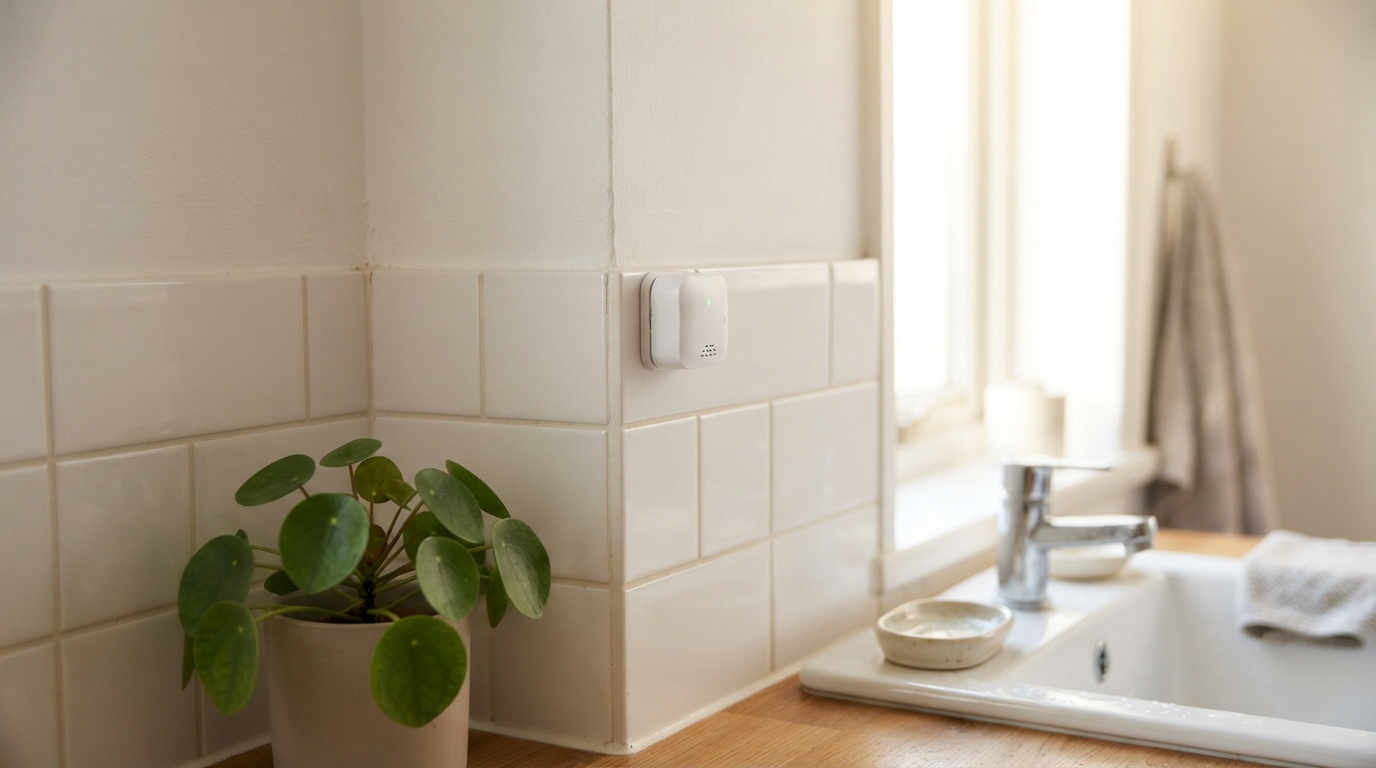
Opening Question
Is placing smart humidity sensors really enough to prevent mold in our homes?
In a world where indoor air quality is more critical than ever, homeowners face a lurking problem: mold. As climate change continues to affect weather patterns, humidity levels fluctuate, making mold growth a growing concern. Fortunately, modern technology offers solutions in the form of smart humidity sensors. But their effectiveness largely depends on where you place them.
Why This Matters Now
Homeowners today are increasingly aware of the health implications mold can have. Mold is not just unsightly; it can trigger allergies, respiratory issues, and a host of other health problems. The CDC reports that nearly 10% of Americans suffer from asthma, and exposure to mold can exacerbate these conditions. With the rise in home humidity due to changes in weather and building practices, it's essential to address mold risks proactively. This is where smart humidity sensors come into play, potentially offering a high-tech solution to a long-standing problem.
However, the key question remains: can these devices effectively prevent mold growth when used improperly? Let's hear from experts in the field.
Perspective: Michael Berry, HVAC Technician
Michael Berry emphasizes practical installation as being vital to the effectiveness of smart humidity sensors. "Sensors need to be placed in areas where humidity levels are most prone to fluctuations, like kitchens and bathrooms. But they can be deceiving; placing them right next to a humidifier might give you false readings."
He suggests:
- High Humidity Zones: Install sensors in problem areas, away from appliances that can skew results.
- Regular Monitoring: Ensure that alerts are set up and responded to immediately.
"Understanding the local climate and identifying where moisture tends to accumulate are crucial for effective deployment," Michael notes.
Perspective: Samantha Lee, Building Scientist
Samantha Lee approaches the issue from a more technical angle. "The accuracy of these sensors is significant, but so is their placement regarding airflow and material absorption. You must consider the building's design. For instance, placing the sensor in a closet may not yield accurate data for the adjoining bathroom."
She highlights the importance of:
- Ventilation Evaluation: Assess how air circulates within a home before sensor installation.
- Material Consideration: Different building materials can absorb or repel moisture differently, impacting sensor readings.
Samantha believes that integrating humidity sensors with HVAC systems can offer a well-rounded approach: "When strategically placed, sensors can talk to HVAC systems to maintain balanced humidity levels."
Perspective: John Petrie, Home Inspector
As a home inspector, John Petrie sees firsthand the aftermath of improper humidity management. "Mold is often a silent invader, causing damage before homeowners even realize they have a problem. I frequently advise clients on the necessity of humidity monitoring. But the response to alerts is paramount."
He notes the following:
- Placement Pitfalls: Sensors should be placed away from windows and external walls where weather fluctuations can distort readings.
- Action Plans: Monitoring is not enough; there should be clear protocols for addressing high humidity alerts.
John stresses the need for initial education on these devices: "Homeowners often think that purchasing the device is the end of the road. It's just the beginning."
Editorial Synthesis
Where Experts Agree
- Location Matters: All experts stress that sensor placement is critical for effective humidity control.
- Proactive Monitoring Required: Everyone agrees that homeowners must stay engaged with their moisture levels and respond appropriately to alerts.
- Integration with HVAC: Combining sensors with proper HVAC systems can help manage humidity more effectively.
Where Experts Disagree
- Best Placement Strategies: While Michael and John favor high humidity zones, Samantha suggests ventilation considerations, leading to differing views on optimal placements.
- User Responsibility: John leans more towards educating homeowners on action plans, while Michael focuses on installation practices.
Why This Matters
In an era where air quality is becoming a priority, understanding the effective use of smart humidity sensors may be the difference between a mold-free home and one marred by health risks. Ensuring that you install these devices in the right location and develop an action plan can lead to healthier living environments.
As climate change continues to impact humidity levels, taking the right steps now can safeguard your home. Invest in technology, yes — but also invest time in understanding how to make that technology work for you. After all, a proactive approach today could save you headaches tomorrow.
The Voices
Smart humidity sensors are essential for preventing mold growth by providing real-time data on humidity levels. When strategically placed, they can alert homeowners before conditions become favorable for mold development.
 Building Scientist
Samantha Lee
Cautious Optimism
While smart humidity sensors are a step in the right direction, their effectiveness depends on proper placement and integration into existing systems. Education on their use is just as crucial as the technology itself.
Smart Solutions Require Smart Placement
Smart humidity sensors can help, but placement and regular monitoring are key to their success.