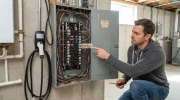
As a new homeowner, the excitement of moving into your dream home can sometimes overshadow the less thrilling details — like the HVAC system. Did you remember to ask if it's in good shape? Or perhaps, just as importantly, how energy-efficient it is? Picking the right heating and cooling system isn't just about comfort; it's also about your wallet.
Why This Matters Now
With the increase in energy costs and the growing focus on home efficiency, understanding your HVAC system has never been more important. New homeowners often overlook just how critical this piece of hardware is to both the comfort of their homes and their ongoing energy costs. According to the U.S. Energy Information Administration, heating and cooling account for nearly 50% of your energy bills.
So, what's the one question you might have forgotten to ask before signing those closing documents?
The Key Question to Ask
What's the system's SEER rating?
SEER stands for Seasonal Energy Efficiency Ratio. It measures the cooling output of an HVAC system over a typical cooling season divided by the energy it consumes in Watt-Hours. Simply put, the higher the SEER rating, the more efficient the system is. Knowing this can help inform your future energy expenses and potential upgrades or maintenance needs.
Expert Perspectives
Perspective: Aimee M. Muir (HVAC Technician and Educator)
Aimee emphasizes the importance of understanding the efficiency of your HVAC system right from the start. "Many new homeowners feel overwhelmed and don't think about the efficiency metrics of their HVAC system. Asking about the SEER rating can save tremendously on energy costs over time," she says. Aimee explains that older systems can have much lower SEER ratings, leading to higher bills and wasted energy.
Perspective: John Smith (Home Inspector)
John highlights the need for a thorough home inspection, particularly concerning the HVAC system. "When you inspect a home, you want to look beyond just the age of the system. I always recommend that my clients inquire about its maintenance records and efficiency ratings, including SEER." He clarifies that homeowners should not only focus on the age of the HVAC unit but also its energy performance — as technologies have advanced significantly over the past decade.
Perspective: Susan Taylor (Energy Analyst)
Susan brings an energy consumption lens to the discussion. "New homeowners should consider SEER ratings as part of a broader energy-efficiency strategy. Homes with higher SEER-rated HVAC systems will not only offer comfort but also lower carbon footprints," she advises. Susan reiterates that this knowledge has implications not just for immediate comfort but also for long-term savings and environmental impact.
Editorial Synthesis
Where Experts Agree
- Understanding the SEER rating can lead to savings on energy bills.
- Regular maintenance and awareness of the system's age and condition are crucial.
- The efficiency of HVAC systems impacts long-term environmental sustainability.
Where Experts Disagree
- Some experts believe homeowners should prioritize other factors, such as the overall maintenance history of the HVAC system, over SEER ratings.
- Opinions vary on how much weight homeowners should place on SEER versus newer technologies, such as smart thermostats and zoning systems.
Why This Matters
As a new homeowner, gaining knowledge about your HVAC system is invaluable. Understanding the system's SEER rating is not just a technical detail — it's a crucial component of your home's overall efficiency and your financial planning as a homeowner. A high SEER rating can translate to healthier energy bills and a greener footprint, while a low rating might mean costly inefficiencies down the line. This simple question can empower you as a homeowner, helping you make informed decisions about maintenance, upgrades, and sustainability.
By asking the right questions now, you can pave the way for a more comfortable, energy-efficient home in the future. You've made a significant investment in your property; equip yourself with knowledge that can help protect that investment.
The Voices
 HVAC Technician and Educator
Aimee M. Muir
Pro Energy Awareness
HVAC Technician and Educator
Aimee M. Muir
Pro Energy Awareness
New homeowners often overlook the importance of understanding their HVAC system's efficiency and maintenance needs. It's crucial to ask detailed questions during closing to avoid costly repairs later on.
While understanding HVAC systems is essential, homeowners should focus on a comprehensive inspection rather than just one question. It helps to grasp the entire system's functionality.
 Energy Analyst
Susan Taylor
Pro Long-term Planning
Energy Analyst
Susan Taylor
Pro Long-term Planning
Many new homeowners fail to consider long-term HVAC planning, which can lead to wasted energy and increased costs. Asking about the system’s energy use trends is vital for sustainable living.
Essential Insights for New Homeowners
Knowing your HVAC system's efficiency is key to smart home ownership.
References
- Heating and Cooling U.S. Department of Energy
- Understanding SEER Ratings Energy Star
- Understanding HVAC Efficiency Ratings ACC Association of Contractors