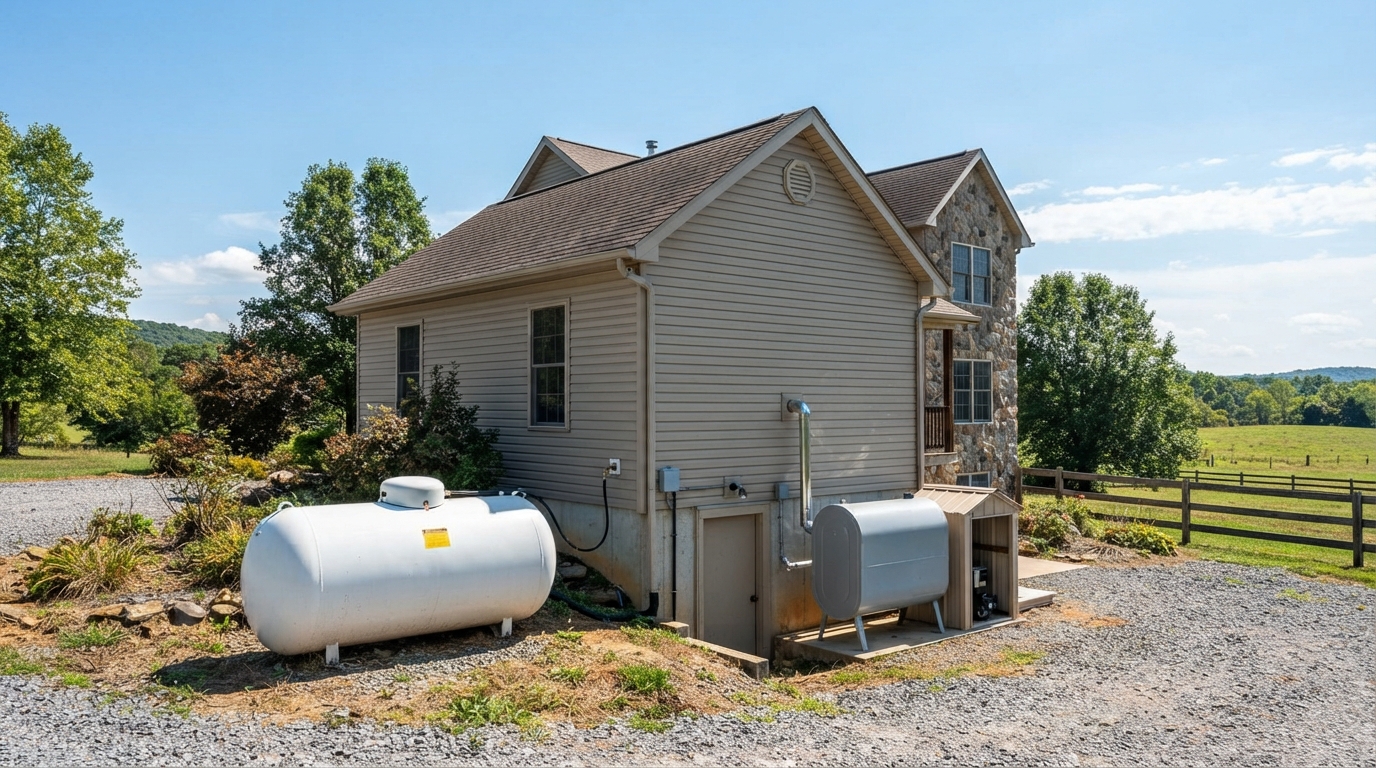
When considering heating options, rural homeowners often face a pivotal question: Should I choose propane, oil, or explore other solutions? The decision isn't just about warmth; it encompasses costs, efficiency, environmental impact, and availability.
Why This Matters Now
As more homeowners move away from traditional gas heating, understanding alternative options like propane and oil heat is essential. With increased fuel prices and concerns over environmental sustainability, it's critical for rural residents to evaluate their energy choices carefully. Mike McGowan, an HVAC Technician, highlights the growing interest as rural communities seek reliable heating amidst shifting energy landscapes. "Rural homeowners face unique challenges," he explains, "and choosing the right heating method is crucial for comfort and budget."
Expert Perspectives
Perspective: Mike McGowan (HVAC Technician)
Mike McGowan emphasizes the reliability of both propane and oil as heating sources. "Propane burns cleaner than oil and is more efficient in terms of energy content," he notes. For many rural homeowners, propane tanks can be delivered easily, making it a convenient option for warmer climates. He also stresses the importance of safety in storage and usage. "Properly maintained tanks and appliances are key to ensuring safety and efficiency."
Moreover, Mike mentions the volatility of oil prices, which can lead to unpredictability in heating costs. "While it sometimes might be cheaper, oil prices can spike due to various factors outside homeowners' control." This uncertainty can impact budgets significantly, making propane a more stable choice for many.
Perspective: Anna Sinclair (Energy Analyst)
Anna Sinclair takes a broader view on the energy landscape. According to her analysis, both propane and oil have significant environmental impacts. "From a carbon emissions perspective, propane is generally the better option due to lower emissions per BTU," she explains. "However, we must also consider the long-term goals of reducing fossil fuel dependence."
Anna highlights the importance of renewable energy alternatives, suggesting that homeowners should not only look at immediate needs but also think about sustainability over time. "Investing in a hybrid system that combines propane or oil heating with renewable sources can provide both efficiency and lower emissions in the long run," she argues.
Anna points out regional differences in fuel availability and pricing. "Understanding your locality's resources can be crucial in making an informed decision," she advises, noting that some areas have more robust propane distribution networks than others.
Perspective: Jim Carter (HVAC Contractor)
Jim Carter brings a contractor's perspective, emphasizing the installation and maintenance aspects. "Understanding the infrastructure is key. With oil heating, you need a tank and delivery system, which can involve significant upfront costs," he comments. "Propane offers a bit more flexibility in installation and usage."
Jim highlights the importance of installation expertise. "Both systems require specialized knowledge for safe and efficient setup. Homeowners should ensure they're working with certified professionals to avoid costly mistakes," he suggests. He shares that recurring maintenance is critical, as it can prolong the life of the heating systems and improve efficiency.
Editorial Synthesis
Where Experts Agree
- Propane tends to be cleaner and more efficient than oil.
- Both heating options require professional installation and regular maintenance to ensure safety and efficiency.
- Understanding local fuel availability can significantly impact cost and choice.
Where Experts Disagree
- Opinions vary on the long-term sustainability of propane versus oil; Anna advocates for transitioning to renewable options, while Mike and Jim emphasize the reliability of existing systems.
- Cost predictability is a point of contention, with Mike citing oil price volatility while Jim points to installation variables.
Why This Matters
For rural homeowners, the choice between propane and oil heat goes beyond immediate comfort—it's about future sustainability and economic stability. As Anna Sinclair rightly points out, incorporating renewable options could lead to more sustainable living in the long run. Meanwhile, the insights from Mike and Jim remind us of the practicalities of installation and maintenance that are crucial to ensuring efficiency and safety.
In making your decision, remember to evaluate not only the costs but also the environmental implications of your heating choice. Understanding both the benefits and the potential drawbacks of propane and oil is vital for every homeowner, especially those living off the gas grid. With careful consideration and expert advice, you can find a heating solution that meets your needs today while being mindful of future energy landscapes.
The Voices
 HVAC Technician
Mike McGowan
Pro Propane
HVAC Technician
Mike McGowan
Pro Propane
Mike strongly supports the use of propane as a cleaner and more efficient alternative for heating rural homes, emphasizing its lower emissions compared to oil. He believes that with proper installation and maintenance, propane can offer reliable warmth while minimizing environmental impact.
 Energy Analyst
Anna Sinclair
Balanced View
Energy Analyst
Anna Sinclair
Balanced View
Anna provides a balanced perspective, highlighting that both propane and oil heating have their advantages and drawbacks. She emphasizes the importance of evaluating individual circumstances, emphasizing cost, efficiency, and environmental impact.
Navigating Rural Heating Choices: Propane vs. Oil
Propane is often the better option for reliability and environmental impact, but homeowners must assess their personal needs.
References
- Propane U.S. Department of Energy
- Heating and Cooling ENERGY STAR
- HVAC Design Resources American Society of Heating, Refrigerating and Air-Conditioning Engineers (ASHRAE)