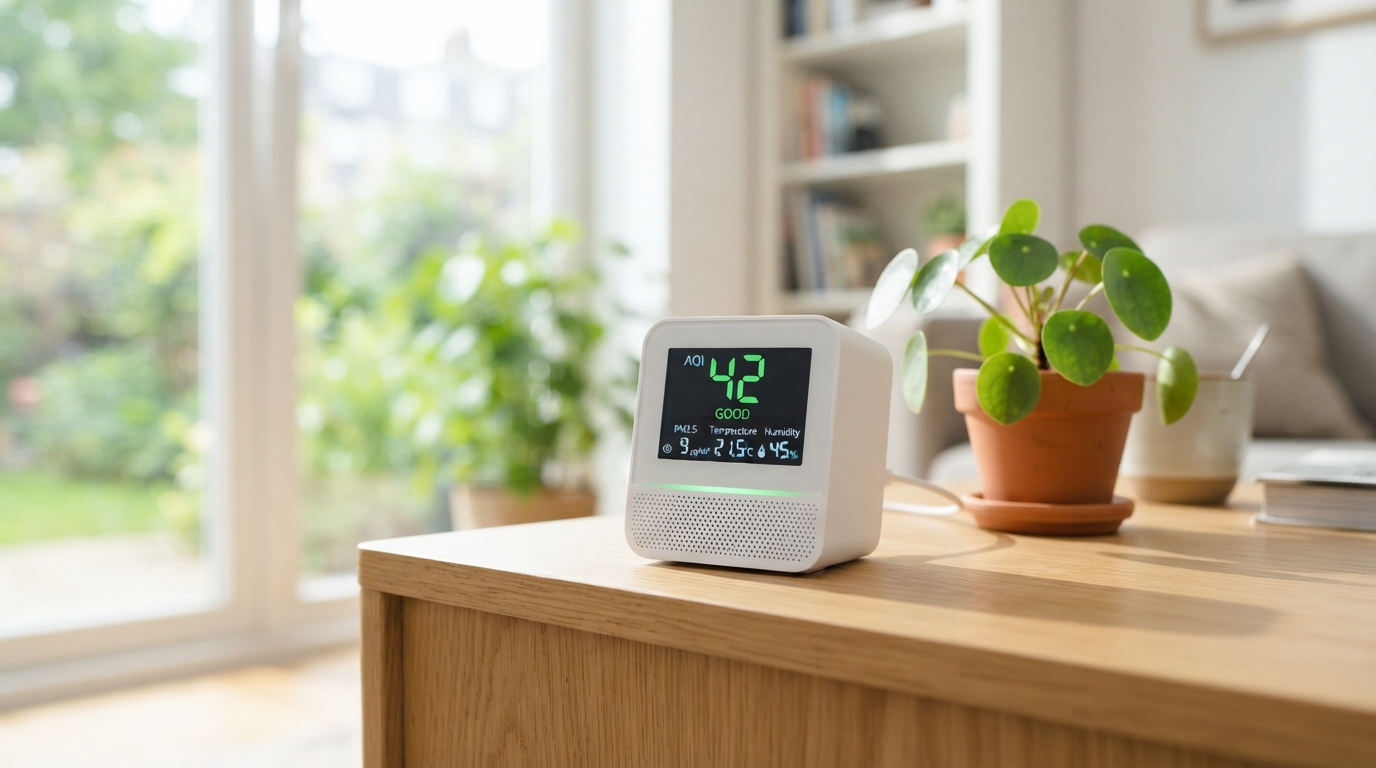
Are you aware of what's truly in the air you breathe at home? With air quality increasingly becoming a concern, many homeowners are turning to smart air quality monitors to give them peace of mind. But are these gadgets really worth the investment?
Why This Matters Now
As homeowners spend more time indoors—especially following recent global events—understanding indoor air quality has never been more critical. Studies have shown that indoor air can be up to five times more polluted than outdoor air. With pollutants like volatile organic compounds (VOCs), particulate matter (PM), and allergens floating around, the need for monitoring has never been more pressing. Smart air quality monitors are more accessible than ever, with prices starting around $50, making them a tempting option for the modern homeowner.
Perspective: Chris McGowan (Building Scientist)
Chris McGowan emphasizes the importance of data when it comes to indoor air quality. "These devices are like a personal air quality lab for your home. They offer real-time data that can help you make informed decisions," he explains. McGowan advocates for using these monitors as a first step towards understanding and improving air quality.
"Most homeowners aren't aware of how factors like humidity, temperature, and indoor sources of pollution impact their air. A good air quality monitor can help highlight these aspects, allowing for targeted interventions," he adds.
Perspective: Laura Smith (Energy Analyst)
On the other hand, Laura Smith expresses a more cautious stance. Her expertise lies in energy efficiency and she warns against over-reliance on these gadgets. "While they provide valuable insights, the technology isn't foolproof. It's one thing to know that bad air exists, but another thing entirely to address it effectively," she points out.
Smith suggests that understanding the limitations of these devices is crucial. "Homeowners might panic when they see high readings but need to know that not all pollutants are harmful at all times. Context is key."
Perspective: Tom Reed (HVAC Contractor)
HVAC Contractor Tom Reed provides a practical viewpoint. "From a hands-on perspective, these devices can guide when to take action. If your monitor alerts you to poor air quality, you might check for leaks in your HVAC system or look at your air filters. However, these monitors should complement regular maintenance—nothing replaces a thorough inspection by a professional," Reed advises.
"It's especially helpful for homeowners who may not know how to check the air quality themselves; the gadget provides a wake-up call, so to speak," he adds with enthusiasm.
Editorial Synthesis
Where Experts Agree
- Need for Awareness: All experts agree that understanding air quality is essential for health and well-being.
- Role of Technology: They recognize that smart monitors are becoming crucial tools for homeowners.
- Limitations Exist: There's a consensus on the limitations of these devices; they should not replace other methods of maintaining air quality.
Where Experts Disagree
- Data Interpretation: McGowan believes in using the data for proactive measures, while Smith warns of misinterpretation and potential panic.
- Scope of Impact: Reed views monitors as supportive tools, whereas Smith advocates for a more integrated approach that combines them with regular maintenance.
Why This Matters
As we navigate our increasingly indoor lifestyles, the debate on air quality monitoring is particularly relevant. While a $50 gadget might give you a clearer picture of what's happening in your home, it's crucial to understand its role as part of a larger strategy for health and safety. The marriage of smart technology with ongoing maintenance can lead to significant improvements in air quality. Equipping yourself with knowledge and using tools judiciously will empower you to take control of your indoor environment.
So, is it time for you to bring a smart air quality monitor into your home? Only you can decide, but remember—knowledge is the first step toward a healthier living space.
The Voices
 Building Scientist
Chris McGowan
Pro Monitoring
Building Scientist
Chris McGowan
Pro Monitoring
Smart air quality monitors provide crucial real-time data that can empower homeowners to make informed decisions about their indoor air quality. Understanding the pollutants in your environment can lead to better health outcomes and enhanced comfort.
 Energy Analyst
Laura Smith
Cautious Optimism
Energy Analyst
Laura Smith
Cautious Optimism
While smart air quality monitors can provide valuable insights, it's important for users to understand the technology’s limitations and the context of the data it provides. Proper usage is crucial to achieve meaningful results.
 HVAC Contractor
Tom Reed
Skeptical
HVAC Contractor
Tom Reed
Skeptical
While smart air quality monitors offer an interesting gadget for homeowners, they should not replace professional assessments. Many devices serve as a trending tech without the accuracy needed for serious air quality management.
Navigating the Pros and Cons of Smart Air Quality Monitors
Smart air quality monitors are helpful tools, but awareness and proactive measures are crucial for effective air quality management.
References
- Indoor Air Quality Energy.gov
- Indoor Air Quality: A Comprehensive Guide ASHRAE
- How to Improve Indoor Air Quality Consumer Reports