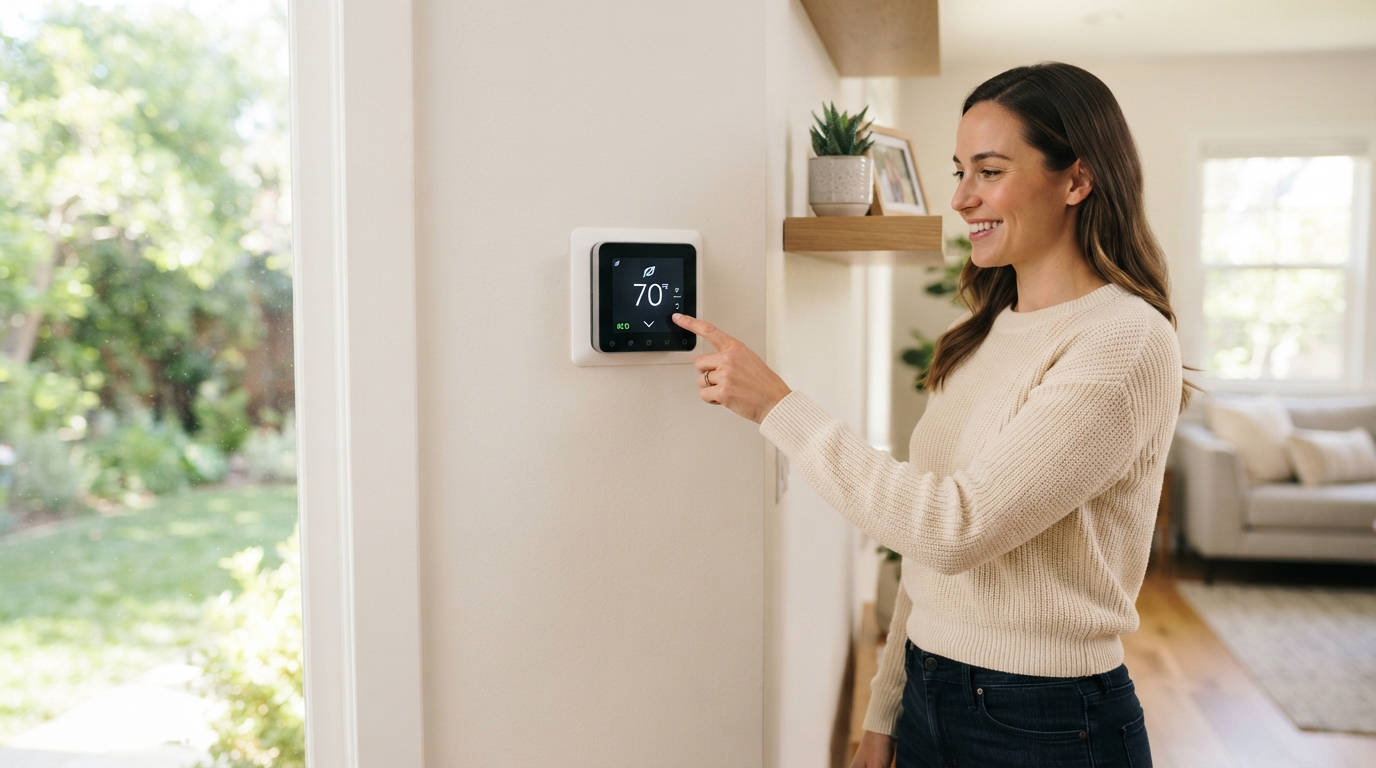
As homeowners increasingly look for ways to enhance energy efficiency and lower their monthly bills, smart thermostats have risen to the forefront of home climate technology. But the big question remains: how much can you truly save over the course of a year by installing one of these devices?
The Stakes Are High
With energy prices fluctuating and environmental concerns at the forefront of discussions, finding efficient ways to heat and cool our homes is crucial. According to recent reports, heating and cooling account for nearly 50% of energy consumption in an average U.S. home. Thus, leveraging technology like smart thermostats can have a significant impact not only on home budgets but also on reducing carbon footprints. In today's climate-conscious world, knowing how to make informed decisions about your home climate control can make a real difference.
Expert Perspectives
Perspective: Dan Hounshell (HVAC Technician)
Dan Hounshell emphasizes the immediate benefits of smart thermostats. "In a typical home, installing a smart thermostat can lead to savings of about 10% to 15% on annual heating and cooling costs. This might not sound like much, but when you consider that the average annual energy bill for a U.S. homeowner is around $2,200, we're talking about potential savings of up to $330 each year. Plus, these savings generally cover the cost of the thermostat within the first year of use."
Dan also stresses the importance of user engagement. A smart thermostat allows users to track their energy usage in real-time, helping them adjust their habits. "When homeowners can visualize their energy consumption patterns, they can make informed choices that lead to even greater savings."
Perspective: Jessica Green (Energy Analyst)
Energy analyst Jessica Green shares a broader view that includes the technology's potential for long-term savings and the evolving energy landscape. "Studies show that, depending on the climate and efficiency of the heating and cooling systems, homeowners could save anywhere from $100 to $500 annually with a smart thermostat. But the savings extend beyond just the immediate financial impact. These devices help reduce peak demand on the electric grid, which is vital as our energy systems strive for balance during peak times."
Jessica also highlights the recent push towards renewable energy solutions, suggesting that smart thermostats can make a home more adaptable to cleaner energy sources. "As more homes integrate solar panels and energy storage, smart thermostats can optimize energy usage based on availability of these renewable resources, driving down costs even further over time."
Perspective: Mike Thompson (HVAC Contractor)
Mike Thompson takes a slightly more critical view, focusing on the implementation and installation process. "While smart thermostats can offer significant savings, it's crucial that they are installed correctly and integrated properly with existing HVAC systems. Poor installation can negate the benefits and leave homeowners with higher bills instead of savings."
He advises homeowners to consult professionals to ensure they select devices compatible with their systems. "If you have an older HVAC unit, you might not see the same level of return on investment as those with newer systems. However, even older setups can often benefit from the operational adjustments a smart thermostat provides."
Editorial Synthesis
Where Experts Agree
- Savings Potential: All experts agree that homeowners can achieve real savings ranging from $100 to $500 annually by using smart thermostats.
- Need for Proper Installation: Effective savings rely on the proper installation and integration with existing HVAC systems.
- User Engagement: Actively monitoring and adjusting habits, often aided by the data provided by smart thermostats, is crucial to maximizing savings.
Where Experts Disagree
- Variance in Savings: While Dan and Jessica are optimistic about the savings that can be achieved, Mike takes a more cautious approach, emphasizing the importance of system compatibility and installation quality.
- Long-term vs. Short-term Gains: Jessica focuses on long-term savings tied to energy market changes, while Dan centers on initial year-over-year cost reductions.
Why This Matters
Understanding how much you can save with smart thermostats is crucial not only for your wallet but for the environment. As energy prices rise and concerns about climate change increase, the need for effective home climate control solutions will only intensify. Moreover, with the continual evolution of smart technology, homeowners now have unprecedented opportunities to take control of their energy usage.
If you're considering whether to invest in a smart thermostat, engage with these insights from experts — the potential savings can make a significant difference, but the implementation matters just as much. Choosing the right device, ensuring proper installation, and adopting new energy-saving habits can lead to considerable financial and environmental benefits. Your home and planet will thank you for it!
The Voices
 HVAC Technician
Dan Hounshell
Pro Savings
HVAC Technician
Dan Hounshell
Pro Savings
Smart thermostats can significantly reduce energy consumption by optimizing temperature settings based on user patterns and preferences. In my experience, homeowners can save anywhere from 10% to 20% on their heating and cooling bills annually with proper use.
 Energy Analyst
Jessica Green
Nuanced Savings
Energy Analyst
Jessica Green
Nuanced Savings
While smart thermostats offer potential savings, the actual amount can vary based on usage patterns and home characteristics. They work best as part of a broader energy efficiency strategy rather than a standalone solution.
 HVAC Contractor
Mike Thompson
Conservative Savings
HVAC Contractor
Mike Thompson
Conservative Savings
Although smart thermostats can offer some savings, they aren't a silver bullet. Many homes may not experience significant reductions, especially if the HVAC system is outdated or improperly maintained.
Sustainable Savings with Smart Thermostats
Smart thermostats can deliver substantial savings and environmental benefits for homeowners.
References
- Smart Thermostats Energy.gov
- Save Money and Energy with Smart Thermostats ENERGY STAR
- What to Know About Smart Thermostats Consumer Reports