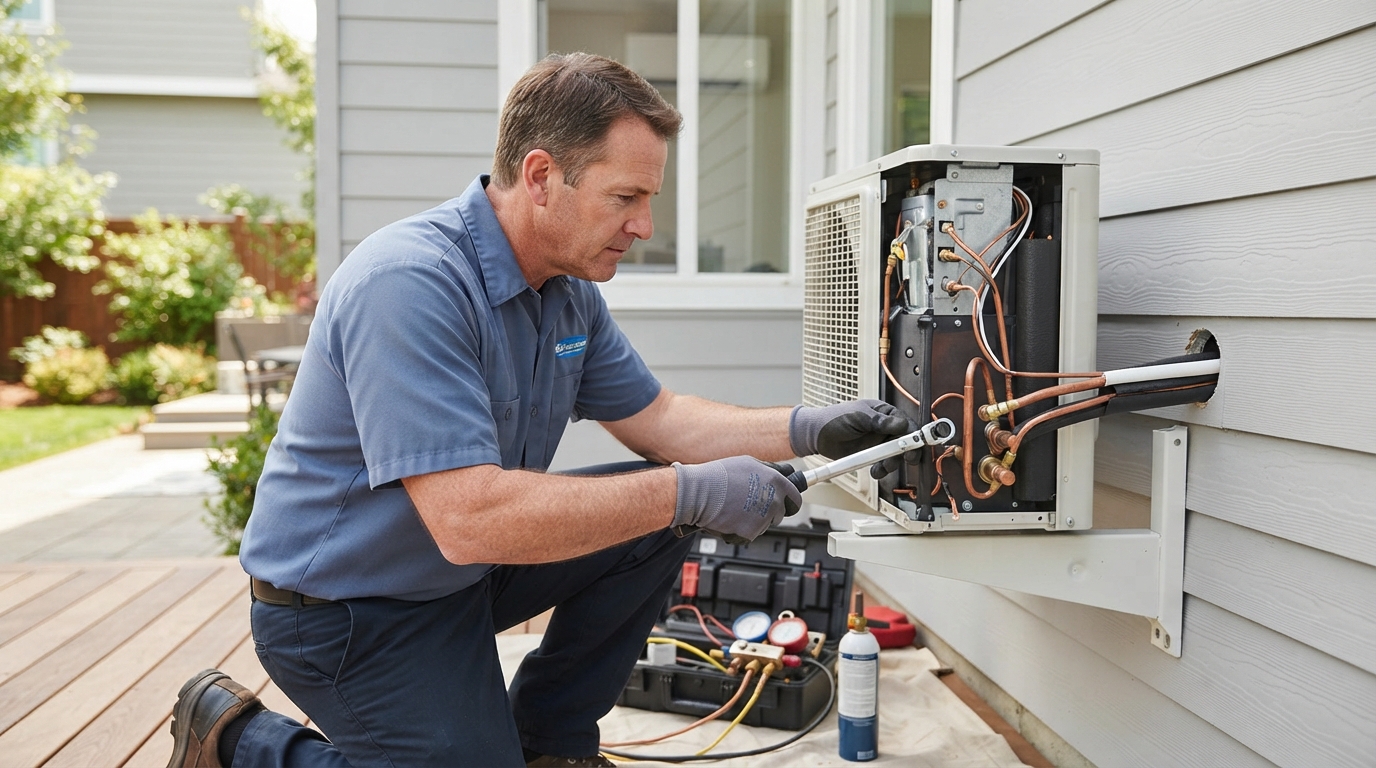
Are you thinking about installing a mini-split system to keep your home comfortable year-round? While these systems can offer great energy efficiency and zoning capabilities, there's a critical installation mistake that can easily void the warranty, leaving you high and dry when things go wrong.
Why This Matters Now
As homeowners increasingly seek efficient and cost-effective heating and cooling solutions, mini-split systems have surged in popularity. With rising energy costs and growing concerns about climate change, many are turning to these systems as an eco-friendly alternative that can reduce their energy bills. However, many don't realize that improper installation can undermine these benefits and lead to expensive repairs—or worse, voided warranties.
Expert Viewpoints
Perspective: Installer Insight
Dustin Main, an HVAC technician with over a decade of experience, highlights the significance of proper line set sizing. "Many contractors assume that a standard size will work for any installation," he explains. "But if the line set is too long or improperly insulated, it can create pressure imbalances that not only affect performance but also look like negligence on the contractor when you have to file a warranty claim."
Main underscores that installers should prioritize both the length and insulation of the line set to avoid potential pitfalls that could render your warranty invalid.
Perspective: Energy Efficiency
Energy analyst Pamela M. Hargreaves takes a broader view by emphasizing the impact of poor installations on overall energy efficiency. "If your mini-split isn't installed correctly, it won't just be your comfort that's impacted—it can also lead to increased energy consumption." Hargreaves notes that homeowners might not realize that deviating from manufacturer guidelines during installation can create energy loss that translates to higher bills and home performance degradation.
According to her, a well-installed mini-split system should provide remarkable efficiency; however, mistakes can negate any anticipated savings.
Perspective: Contractor Experience
Tony DeMarco, a seasoned HVAC contractor, also sheds light on challenges installers face. "Homeowners often believe DIY solutions or the cheaper contractor will work just as well," he mentions. "But cutting corners during installation could cost them more in the long run." DeMarco emphasizes that potential liabilities can stem from improper mounting or failure to check for refrigerant leaks, both of which can void warranties.
He reminds homeowners that while the initial cost is important, investing in experienced professionals leads to long-term satisfaction and protection of their investment.
Editorial Synthesis
Where Experts Agree
- Proper installation is crucial for maintaining the warranty on mini-split systems.
- Improper line set sizing and insulation can lead to performance issues and void warranties.
- Engaging reputable contractors minimizes the risk of mistakes during installation.
Where Experts Disagree
- Some experts, like Hargreaves, argue that homeowners often overlook energy efficiency factors, while others focus more on warranties.
- There's a divergence in opinions on the extent to which DIY installations should be discouraged. While some believe professionals are indispensable, others see room for careful DIY projects.
Why This Matters
Understanding the intricacies of mini-split installation can save homeowners from future headache and financial loss. Warranties are not just safety nets; they represent a critical assurance of confidence from manufacturers that the system will perform as expected. When that assurance is voided due to installation errors, homeowners are left not just with potentially higher bills but with significant repair or replacement costs.
Ensuring your mini-split is installed correctly is not merely about adhering to manufacturer guidelines—it's about protecting your investment. It also means embracing the broader context of energy efficiency and long-term sustainability. With rising utility costs, every bit of efficiency counts, and a well-installed mini-split system can play a significant role in that.
In conclusion, don't skip the research or the expertise that proper installation demands. Whether you're inclined to take the DIY approach or hire a professional, take the time to ensure best practices are followed, safeguarding your warranty and maximizing the benefits of your mini-split system.
Having clear expectations will help align your vision for home comfort with the practical realities of installation and usage. In the end, a careful approach will lead not just to a comfy home, but to peace of mind.
The Voices
 HVAC Technician
Dustin Main
Pro Installation Compliance
HVAC Technician
Dustin Main
Pro Installation Compliance
Many homeowners overlook the intricacies of installing mini-split systems, especially requirements that, if ignored, can void warranties. Adhering to installation guidelines is crucial for effective operation and long-term reliability, directly affecting the warranty's validity.
 Energy Analyst
Pamela M. Hargreaves
Pro Consumer Awareness
Energy Analyst
Pamela M. Hargreaves
Pro Consumer Awareness
Homeowners need to be fully aware of how installation practices can impact warranty coverage. Transparency from manufacturers and installers could prevent misunderstandings and ensure that consumers are protected under their warranty policies.
 HVAC Contractor
Tony DeMarco
Balanced Viewpoint
HVAC Contractor
Tony DeMarco
Balanced Viewpoint
While it's essential to follow installation standards to maintain warranty coverage, there should also be a greater push for HVAC manufacturers to clarify these requirements upfront. A collaborative approach will benefit both contractors and consumers alike.
Navigating Mini-Split Installations: A Crucial Step for Homeowners
Ensure professional installation to protect your warranty and efficiency.
References
- Ductless Mini-Split Heat Pumps Energy.gov
- Ductless Mini-Split Air Conditioners Energy Star
- How to Install a Mini-Split Air Conditioner Consumer Reports