When it comes to cooling our homes, have you ever wondered if there's a better way than the traditional on/off system? As temperatures climb and energy costs rise, homeowners are increasingly faced with the dilemma of upgrading their HVAC systems. A quieter, more efficient option is gaining traction: the variable-speed compressor. But is this technology worth the investment?
Why This Matters Now
Variable-speed compressors have emerged as a significant advancement in home cooling systems, particularly as environmental concerns and energy efficiency become more critical. According to the U.S. Department of Energy, approximately 40% of energy consumption in homes comes from heating and cooling. This statistic highlights the urgent need to adopt more efficient technologies that reduce energy use and carbon emissions. Furthermore, with the increasing volatility of energy prices, homeowners are searching for effective ways to lower their utility bills while maintaining comfort.
Expert Viewpoints
Perspective: Efficiency Advocate — Dr. Marc Rosenbaum (Director, Energy Efficiency Programs)
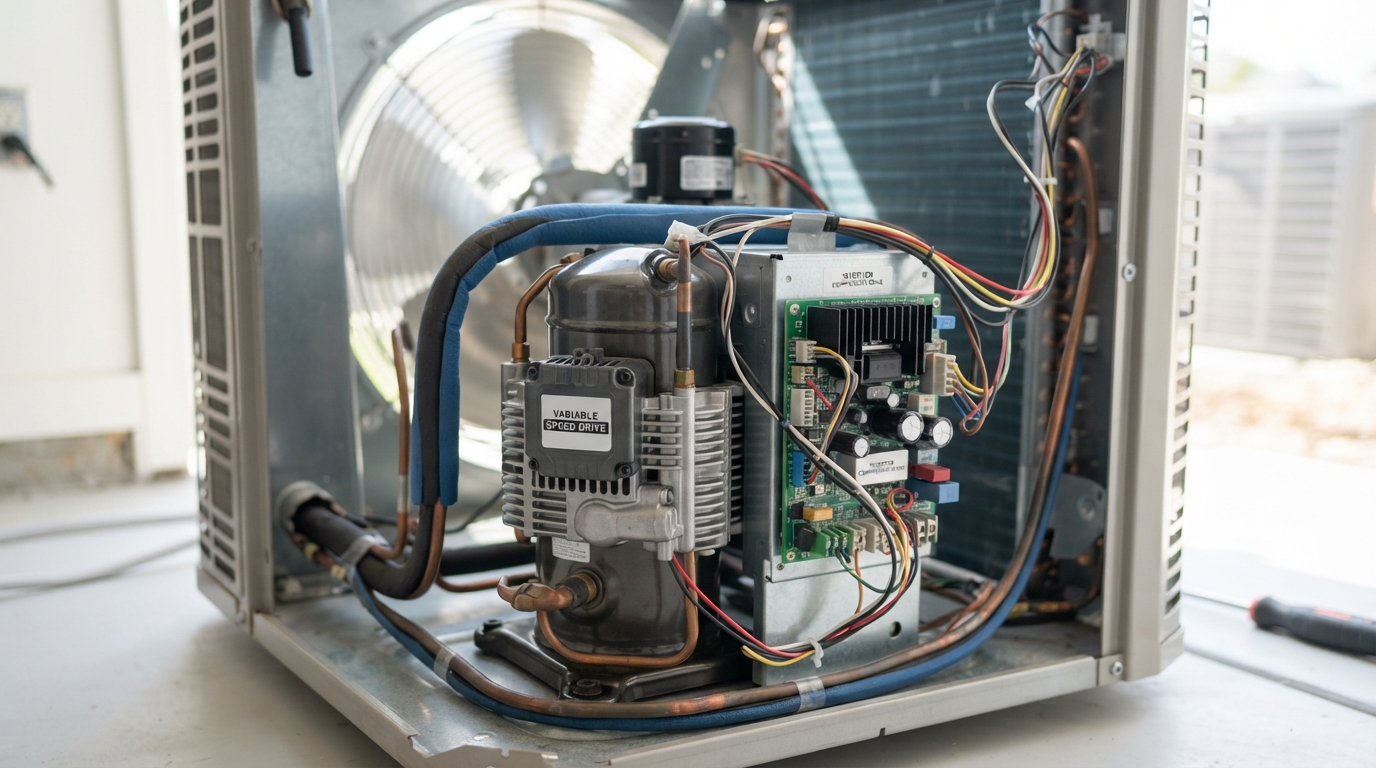
Dr. Rosenbaum emphasizes that variable-speed compressors represent a paradigm shift in home cooling efficiency. "Unlike traditional systems that operate at full capacity or not at all, variable-speed compressors adjust their output based on the home's cooling needs. This continuous modulation leads to energy savings of up to 50%," he explains.
He adds that these compressors run at lower speeds more frequently, significantly improving indoor air quality by better managing humidity levels. "A home that maintains a stable temperature and humidity will feel more comfortable, which means homeowners can enjoy their space without constantly adjusting the thermostat."
Perspective: Industry Insider — Steve McWherter (HVAC Contractor & Consultant)
Steve McWherter offers a different angle, focusing on the practical aspects of installation. "Variable-speed systems are undeniably more efficient, but they also come with higher upfront costs. Homeowners need to consider whether the long-term savings will outweigh those initial expenses."
He explains that the installation might require existing ductwork to be upgraded or improved. "In some cases, a variable-speed compressor may not be the best option if the current ducts aren't compatible because this can negate the efficiency benefits. Conducting a proper energy assessment is key before making a decision."
Perspective: Pragmatic Regulator — Jeanette Smith (Building Inspector)
Building inspector Jeanette Smith approaches the conversation from a safety and code compliance perspective. "From my viewpoint, it's important that any HVAC system upgrade meets local codes and standards. Variable-speed compressors are generally compliant, but there are installation nuances to consider."
She cautions homeowners about the importance of hiring qualified professionals who understand the technology: "It's crucial to have someone experienced with variable-speed systems to ensure they're not only installed correctly but also optimized for efficiency. A poorly installed system might not provide the expected benefits and could lead to long-term issues."
Editorial Synthesis
Where Experts Agree
- Energy Efficiency: All experts agree that variable-speed compressors are significantly more energy-efficient than traditional on/off systems, potentially saving homeowners substantial amounts on their utility bills.
- Comfort: The ability of variable-speed compressors to maintain consistent temperatures and better humidity control enhances overall indoor comfort.
Where Experts Disagree
- Cost vs. Benefit: While Dr. Rosenbaum advocates for the long-term savings, McWherter urges caution regarding the initial investment, stressing that it may not be feasible for all homeowners.
- Installation Complexity: Jeanette Smith highlights the importance of professional expertise for compliance and performance, suggesting that some homeowners might overlook this factor in favor of a more straightforward traditional system.
Why This Matters
In essence, as the landscape of home climate control continues to evolve, homeowners need to weigh the pros and cons of adopting newer technologies like variable-speed compressors. While the promise of energy savings and increased comfort is alluring, understanding the investment and installation complexities is equally crucial. Engaging with HVAC professionals who can guide homeowners through these decisions is paramount.
Investing in a variable-speed compressor could not only lower your energy bills and enhance your comfort but also contribute to a more sustainable future. As you navigate these choices, keeping informed about the latest in HVAC technologies and understanding your home's unique cooling needs will empower you to make the right decisions.
By approaching your home climate with an informed perspective, you can ensure a balance of comfort, efficiency, and value – setting your home up to thrive in any climate.
The Voices
 Director, Energy Efficiency Programs
Dr. Marc Rosenbaum
Efficiency Advocate
Variable-speed compressors enhance energy efficiency by adjusting cooling output to actual demand, significantly reducing energy consumption and operating costs.
 HVAC Contractor & Consultant
Steve McWherter
Pragmatic Installer
While variable-speed compressors provide benefits, factors like cost and installation complexity often influence homeowners' choices, making the on/off system still relevant in some scenarios.
The Case for Variable-Speed Compressors
Variable-speed compressors are a smart investment for efficiency and comfort.
References
- Energy Saver - Air Conditioners U.S. Department of Energy
- Ductless Mini-Split Heat Pumps Energy Star
- Efficiency of Variable-Speed Compressors ASHRAE