When the air outside turns orange and breathing becomes a chore, homeowners often wonder: can my HVAC system really protect me from the smoke of nearby wildfires? With climate change accelerating these devastating fires, understanding how our home systems can help is crucial.
Why This Matters Now
As wildfires increase in frequency and intensity, the quality of the air we breathe is threatened. Wildfire smoke is not just unpleasant; it contains pollutants that can lead to serious health issues. According to the Environmental Protection Agency (EPA), particulate matter from wildfire smoke can penetrate deep into the lungs and even enter the bloodstream. Protecting our indoor air quality thus becomes an essential task for homeowners, especially in fire-prone areas.
Expert Perspectives
Perspective: HVAC System as a Shield
Dr. Jennifer B. Davis, HVAC Engineer, ASHRAE, emphasizes that, while HVAC systems weren't originally designed to handle extreme smoke events, they can provide a degree of protection. "Modern systems with the right filters can capture some of the harmful particulate matter," she explains. "High-efficiency particulate air (HEPA) filters are particularly effective, capturing up to 99.97% of particles down to 0.3 micrometers. This includes many of the harmful pollutants found in wildfire smoke."
Perspective: Limitations of HVAC Systems
Mark L. Thompson, Energy Analyst, Green Building Advisor, while recognizing the potential benefits, cautions homeowners not to rely solely on HVAC systems. "Many residential units aren't designed to handle high concentrations of smoke lasting for prolonged periods. You might filter some pollutants, but those systems can also become overwhelmed," he warns. He notes that smoke can enter homes through open windows and doors, making it challenging for HVAC systems to counteract these factors.
Perspective: A Comprehensive Approach
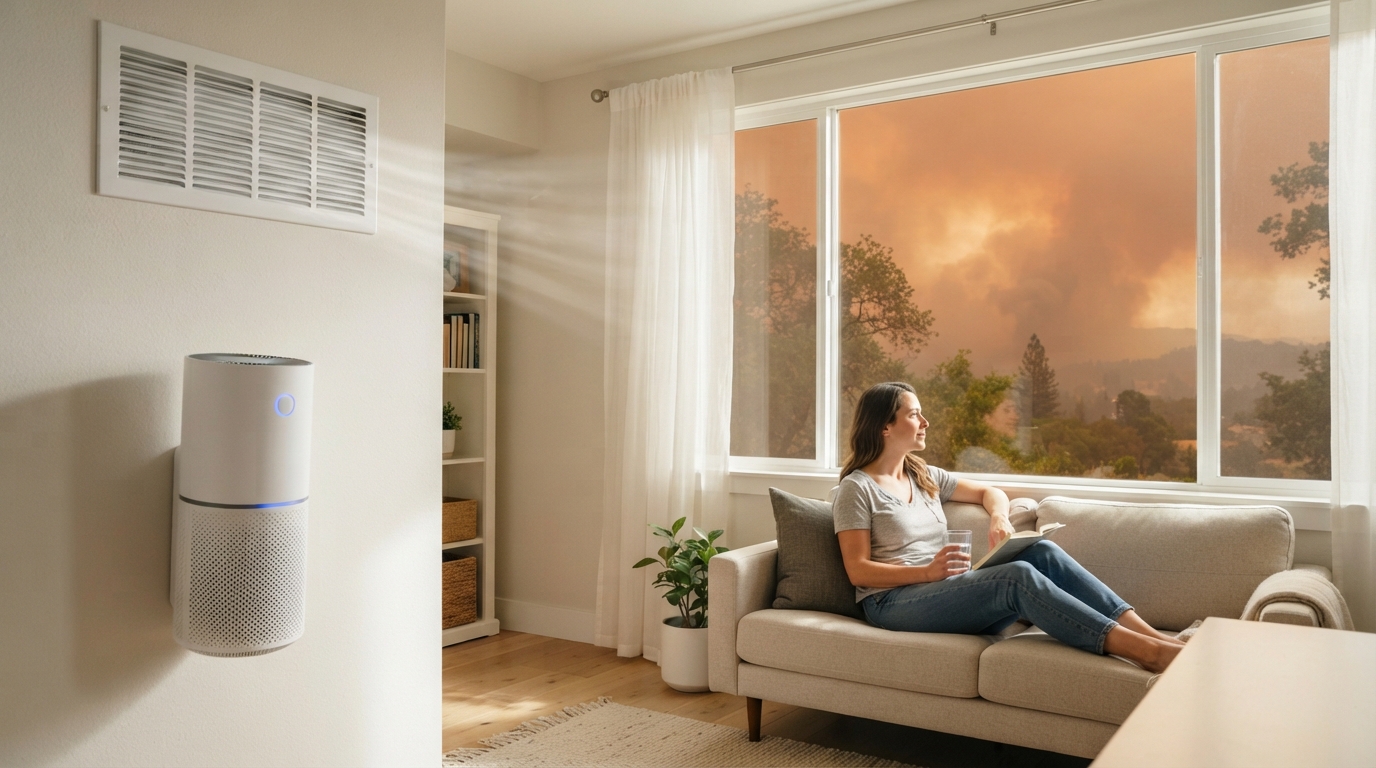
Elaine R. Hargrove, Building Inspector, Certified Home Inspector, takes a broader view, advocating for a multi-faceted approach. "Homeowners should combine HVAC filtration with other strategies—such as sealing leaks around doors and windows and using portable air purifiers with HEPA filters. This way, you can capture a significant amount of smoke particles before they circulate through your HVAC system," she suggests. Hargrove notes that awareness about indoor air quality has been growing, and homeowners are more proactive than ever in seeking solutions.
Editorial Synthesis
Where Experts Agree
- The Importance of High-Efficiency Filters: All experts recommend using HEPA filters for capturing wildfire smoke.
- Proactive Measures are Essential: Sealing your home and employing multiple strategies is crucial for better air quality.
- Awareness is Key: Homeowners are increasingly aware of the importance of air quality, particularly during wildfire seasons.
Where Experts Disagree
- Effectiveness of HVAC Systems Alone: Dr. Davis believes HVAC systems can help if equipped correctly, while Thompson emphasizes their limitations during heavy smoke conditions.
- Response Time: Hargrove suggests that homeowners are now more responsive to air quality issues, while some experts feel it may not be enough without a system overhaul.
Why This Matters
Understanding the capabilities and limitations of your HVAC system is essential for safeguarding your home against the threats posed by wildfire smoke. As climates continue to change and wildfires become more frequent, integrating robust air quality measures into your home maintenance is no longer optional; it's a necessity. By leveraging expert insights, you can protect not only your health but also the well-being of your loved ones. Innovative strategies, upgraded systems, and proactive planning will ensure that your home remains a refuge even in the worst of air quality conditions.
Being a modern homeowner means navigating these challenges with informed confidence. Whether through advanced HVAC systems, portable air purifiers, or simple sealants, the path towards cleaner air is clearer than ever. Don't wait until the smoke is rolling in to consider your options—act now to ensure your home's air quality is up to the challenge.
The Voices
 HVAC Engineer, ASHRAE
Dr. Jennifer B. Davis
Pro Filtration
HVAC Engineer, ASHRAE
Dr. Jennifer B. Davis
Pro Filtration
Properly designed HVAC systems with high-efficiency filters can significantly reduce the presence of particulate matter from wildfire smoke, offering better indoor air quality. Investing in quality filters and maintenance can make a huge difference in protecting inhabitants from outdoor pollutants.
While HVAC systems can help mitigate some effects of wildfire smoke, they are not a complete solution. Homeowners should consider additional protective measures like air purifiers and regular assessments of their HVAC effectiveness to ensure a comprehensive approach.
 Building Inspector, Certified Home Inspector
Elaine R. Hargrove
Limitations of HVAC
Building Inspector, Certified Home Inspector
Elaine R. Hargrove
Limitations of HVAC
It's important to recognize that while HVAC systems can filter some smoke particulates, many filters alone are insufficient for protecting against all components of wildfire smoke. Homeowners should not rely solely on HVAC systems and should consider additional filtration options such as HEPA air purifiers.
Navigating Wildfire Smoke and HVAC Limitations
While HVAC systems can help, they should not be solely relied upon during wildfire smoke events.