Is your HVAC system still running smoothly but making you wonder if it's time for an upgrade? Just because it's operational doesn't mean it's doing its job efficiently. Understanding your HVAC system's age and efficiency is essential for the modern homeowner, especially as energy costs continue to rise.
Why This Matters Now
As the world becomes increasingly aware of climate change and energy consumption, optimizing our home's climate control becomes a priority. An older HVAC system can be a silent drain on your budget and affects overall home comfort. Furthermore, many homeowners might be surprised by how advancements in technology could save them money and enhance their living spaces.
Perspective: Bob Vila (Home Improvement Expert)
Bob Vila, a veteran in home improvement, emphasizes the importance of understanding HVAC age:
"A system that is older than 10 to 15 years can start to work less efficiently, leading to higher energy bills. Just because your system is functional doesn't mean it meets today's standards for efficiency. This is crucial, especially when considering potential home renovations or increasing property value."
Vila suggests that checking the SEER (Seasonal Energy Efficiency Ratio) rating is a great start in assessing your unit's efficiency. New systems can have SEER ratings of 15 to 20, compared to older models which might only achieve a rating of about 8.
Perspective: Dr. Jennifer D. Williams (Energy Analyst)
Dr. Jennifer D. Williams, an energy analyst, zooms in on the financial implications of an older HVAC system:
"The lifespan of standard units ranges between 15 to 25 years, but efficiency tends to decline as they age. Upgrading to a newer model can reduce energy costs significantly, sometimes by up to 50%. Although it may feel costly upfront, the long-term savings and comfort are essential considerations."
Williams urges homeowners to consider conducting an energy audit. "Identifying inefficiencies through an energy audit can provide a clearer picture of whether an upgrade is needed," she explains.
Perspective: Mike Foti (HVAC Contractor)
Finally, Mike Foti, an HVAC contractor, brings practical insights to the table:
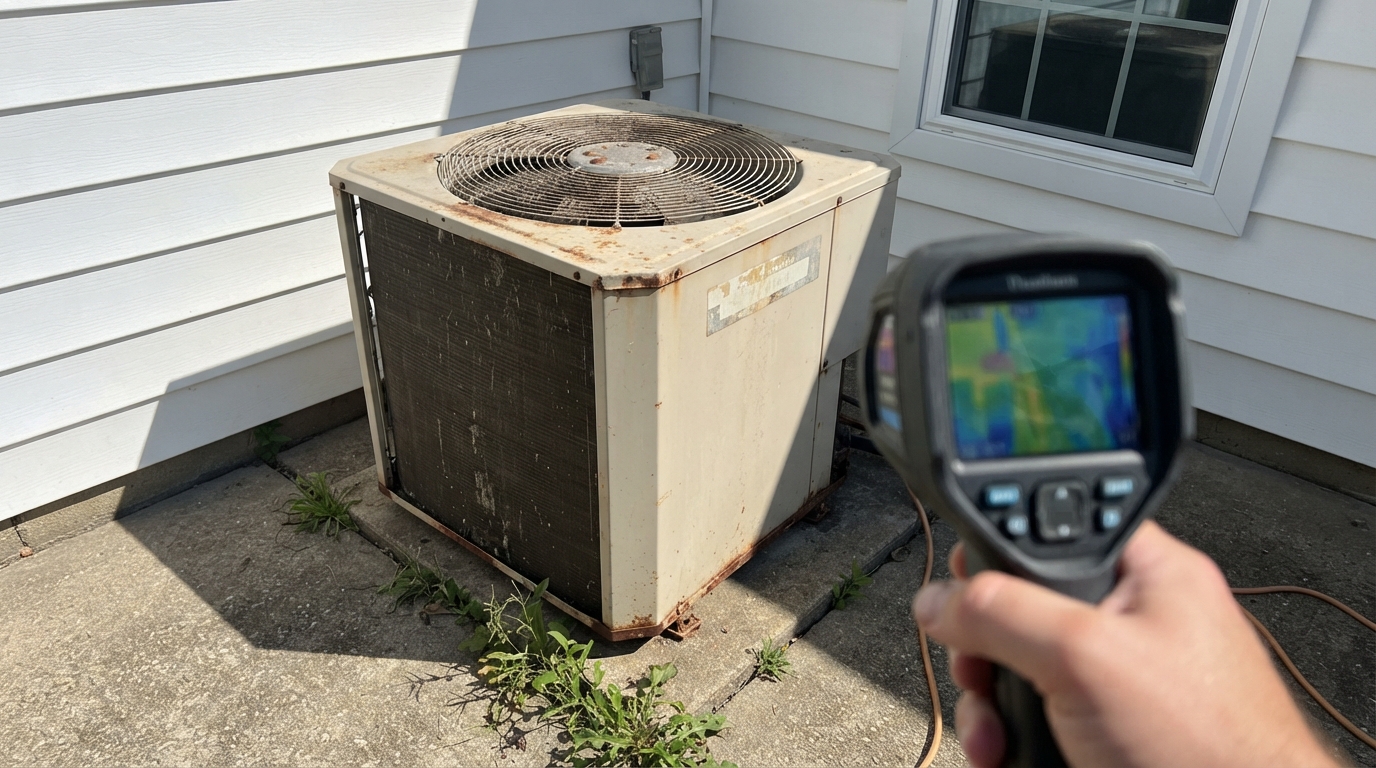
"A system might still blow hot or cold air, but you need to consider how well it maintains that temperature. Systems older than 15 years often encounter issues, and older units rarely match the energy efficiency of modern systems. Even if you believe maintenance has kept it running smoothly, internal wear and tear can reduce its overall capacity."
Foti recommends regular maintenance checks but states, "If your system is over 20 years old, it's time to start planning for a replacement. Waiting too long could result in unexpected breakdowns when you least expect it."
Editorial Synthesis
Where Experts Agree
- An HVAC system older than 10 to 15 years may not be as efficient as required by modern standards.
- Upgrading can lead to significant long-term savings on energy bills.
- Regular maintenance can prolong the life of an HVAC system but may not compensate for age-related inefficiencies.
Where Experts Disagree
- The exact age at which an HVAC system should be considered for replacement; Vila suggests 10-15 years, while Foti indicates 20 years as the cutoff.
- The necessity of energy audits before making replacement decisions; Williams advocates for them, while Foti emphasizes the visible signs of inefficiency.
Why This Matters
Understanding your HVAC system's age isn't just about efficiency; it's about making informed decisions that impact your comfort and finances. Experts agree that while an older system might still work, it often does so at a higher cost than necessary. The entry of new technologies enhances efficiency, and homeowners should not only consider immediate functionality but also long-term benefits. Balancing these factors can lead to a more comfortable home environment and lower energy costs, ultimately making it a win-win situation.
In the end, your HVAC's age is not just a number; it's a crucial factor in your home's sustainability and economy. Don't let another season pass with a system that is not performing its best. Explore your options, consult the experts, and take the necessary steps for an efficient living space.
The Voices
Just because your HVAC system is still operational doesn't mean it's running at peak efficiency. Older systems can be energy guzzlers that drain your wallet over time.
 Energy Analyst
Dr. Jennifer D. Williams
Balanced Perspective
While older HVAC systems may still function, it's essential to evaluate their efficiency. The decision to replace should consider both operational status and energy savings potential.
 HVAC Contractor
Mike Foti
Maintain and Upgrade
Many older HVAC systems, with proper maintenance, can continue to perform adequately for years. It's crucial to assess the condition of the system before making any rash replacements.
Evaluating Your HVAC: Why Age Matters
Upgrading your HVAC system can lead to significant savings and increased home comfort.
References
- HVAC Costs Energy.gov
- HVAC Systems Energy Star
- HVAC Efficiency ASHRAE