As homeowners grow increasingly conscious of their energy consumption, many are left wondering: Are traditional water heaters really the best option, or is it time to consider alternatives like heat pump water heaters? The technology is gaining traction, but what makes these systems worthy of consideration now more than ever?
Why This Matters Now
With rising energy costs and a clear shift toward sustainability, homeowners are prioritizing energy efficiency like never before. The U.S. Department of Energy encourages the adoption of energy-efficient appliances, including heat pump technology, as part of its goal to reduce greenhouse gas emissions. With federal and state incentives available for such upgrades, the conversation around heat pump water heaters has never been more relevant.
Expert Perspectives
Perspective: Eddie House (HVAC Technician, Energy Advocate)
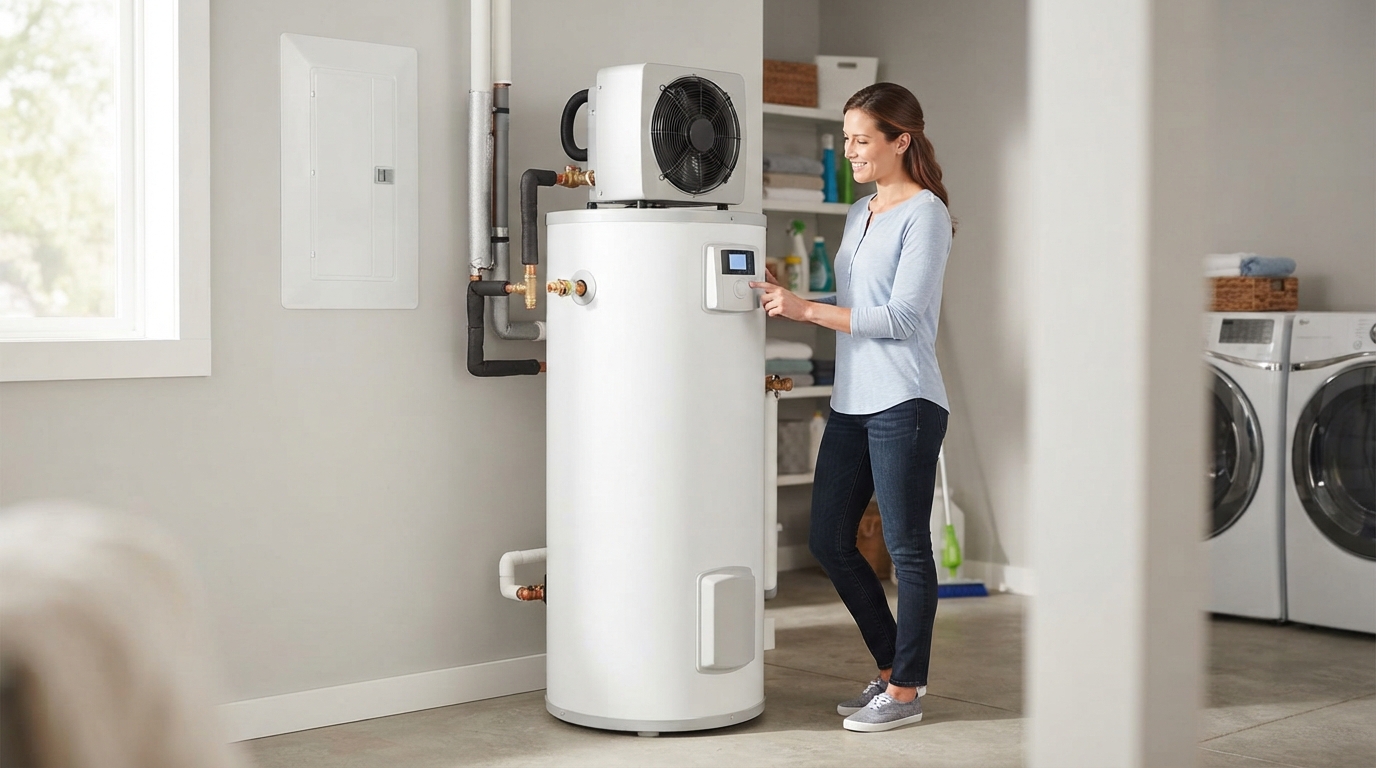
Eddie House sees heat pump water heaters as a vital step toward energy-efficient living. "These systems work by drawing ambient heat from the air, using it to heat water indirectly. It's a technology that can cut energy consumption for water heating by up to 50% compared to traditional electric water heaters," he explains.
Rather than generating heat directly, which is what gas and electric heaters do, a heat pump water heater simply transfers heat, making it much more efficient. Eddie emphasizes the long-term cost savings for homeowners:
"In addition to the reduced energy bills, many heat pump models come with warranties that last a decade or more, making them a wise investment."
However, he cautions that the initial investment can be significantly higher than that of conventional systems, spanning from $1,000 to $3,000 depending on the model and installation requirements.
Perspective: Dr. Laura Chappell (Building Scientist, Energy Analyst)
For Dr. Laura Chappell, the environmental benefits cannot be overlooked. "Heat pump water heaters consume less energy, which translates to lower greenhouse gas emissions," she points out. "Given the urgency of climate change, every little bit counts."
Dr. Chappell also notes that these systems can help balance energy loads, particularly in homes that employ solar energy. "Using a heat pump water heater can optimize energy usage when solar generation is at its peak, which is an attractive prospect for eco-conscious homeowners," she adds.
However, Dr. Chappell raises concerns about the operational costs in colder climates where the system has to work harder:
"In regions that experience freezing temperatures, you may need additional heating solutions, which could negate some energy savings. It's crucial to consider local climate conditions before making a switch."
Perspective: Mark Sullivan (HVAC Contractor, Energy Consultant)
Mark Sullivan offers a contractor's perspective, noting the practical benefits of installing heat pump water heaters. "These systems are versatile and can even serve dual purposes. They can provide space heating in the cooler months, which makes them an attractive option for homeowners looking to minimize overall heating costs," he explains.
Mark emphasizes the ease of installation in some cases, particularly for homeowners already invested in HVAC systems linked to heat pump technology.
"If you already have a heat pump for heating and cooling, adding a heat pump water heater can create a cohesive energy system that's both efficient and easier to manage," he says.
Yet, he also points out the importance of proper sizing and placement, warning that miscalculations can lead to performance issues.
Editorial Synthesis
Where Experts Agree
- Energy Efficiency: All three experts recognize that heat pump water heaters have the capacity to significantly reduce energy consumption.
- Long-term Savings: They agree that while the initial costs are higher, homeowners can find long-term financial benefits through reduced energy bills.
- Environmental Impact: There is a consensus on the positive environmental implications of lower greenhouse gas emissions.
Where Experts Disagree
- Initial Investment vs. Long-term Savings: Eddie emphasizes the higher upfront price, whereas Mark believes this investment pays off quickly through energy efficiency.
- Climatic Conditions Impact: Dr. Chappell points to the challenges posed by colder climates, which may affect savings, while Eddie and Mark emphasize technological advancements that make these units viable in various conditions.
- Operational Costs: Dr. Chappell is concerned about potential added costs in colder climates, which may not affect homeowners in more temperate regions.
Why This Matters
The debate around heat pump water heaters highlights a crucial pivot in how modern homeowners view energy consumption. As climate awareness grows and energy costs fluctuate, investing in systems that do double duty can future-proof your home while contributing to a more sustainable world.
Ultimately, while heat pump water heaters may not be a perfect fit for every homeowner due to initial costs and climate bearers, they do present a compelling option for those prioritizing energy efficiency and environmental responsibility. In the end, homeowners need to weigh their unique circumstances and consider consulting experts like Eddie House, Dr. Laura Chappell, and Mark Sullivan to make an informed decision. Their insights can help pave the way for a more energy-conscious future in your home.
The Voices
 HVAC Technician, Energy Advocate
Eddie House
Pro Efficiency
Heat pump water heaters represent a significant leap in energy efficiency for homeowners. They not only reduce energy costs but also lower carbon footprints, making them an essential component in modern energy-conscious homes.
 Building Scientist, Energy Analyst
Dr. Laura Chappell
Balanced View
While heat pump water heaters offer many benefits, it's essential to evaluate them within the context of individual home designs and climate conditions to maximize their effectiveness.
 HVAC Contractor, Energy Consultant
Mark Sullivan
Pro Traditional Systems
While heat pump water heaters are promising, many traditional water heating systems still offer reliability and effectiveness that consumers trust. Transitioning needs to consider economic factors and existing infrastructure.
Embracing the Future of Water Heating
Heat pump water heaters are a smart investment for efficiency and sustainability.
References
- Heat Pump Water Heaters U.S. Department of Energy
- Heat Pump Water Heaters Energy Star
- Design Guidance for Water Heating ASHRAE