Context: Why This Matters Now
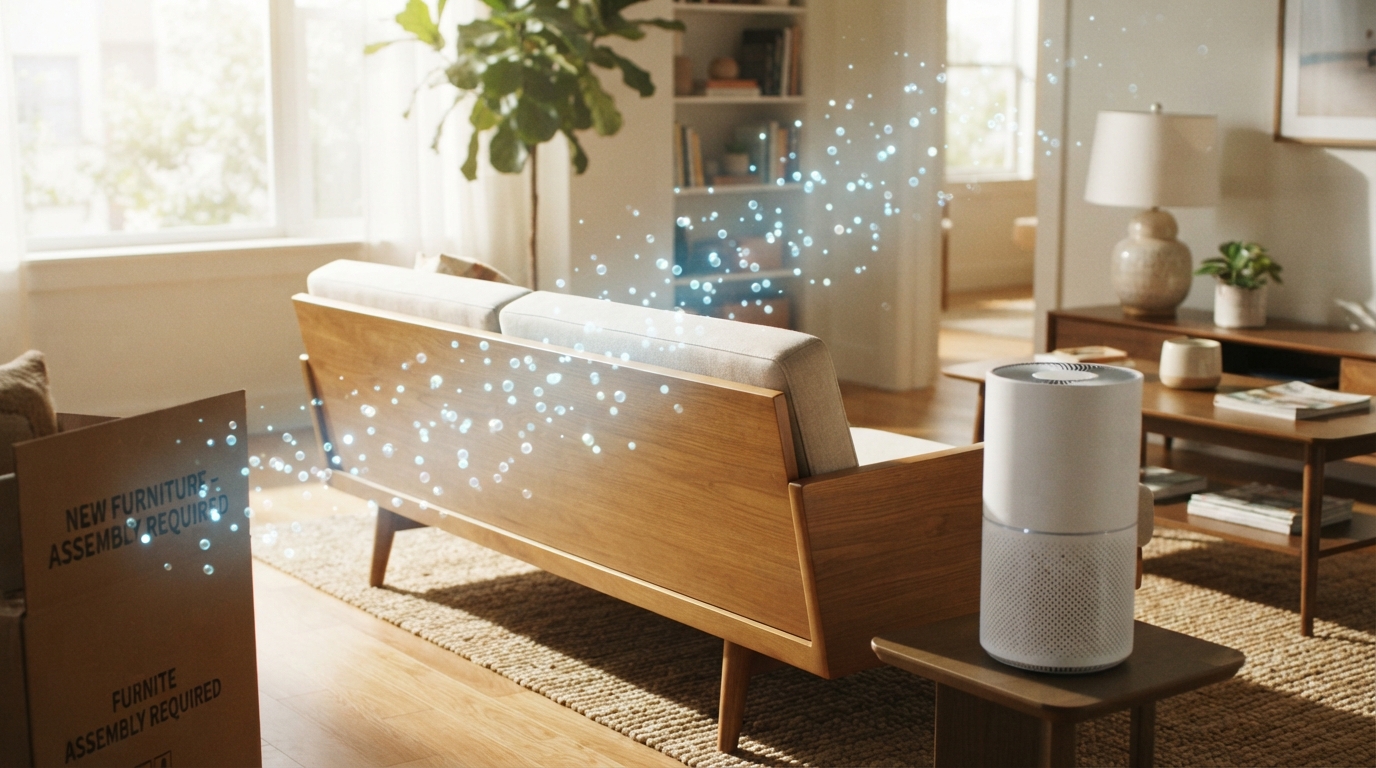
As awareness of air quality continues to rise, it's essential for homeowners to understand the hidden dangers lurking in their homes. Volatile Organic Compounds (VOCs) can be released from new furniture and other household items, contributing to poor indoor air quality. Many people rely on air purifiers to combat these pollutants, but how effective are they in filtering out VOCs? This article delves into expert opinions on air purifiers and VOCs, enlightening homeowners about how to truly safeguard their living spaces.
Perspective: Dr. Joseph Allen
Dr. Joseph Allen, the Director of the Healthy Buildings Program at Harvard, underscores the significant health risks associated with VOC exposure. He points out that while air purifiers can capture some particles, they are often not designed to eliminate VOCs effectively. "Many VOCs are gaseous and require different filtration systems to address effectively. HEPA filters, commonly found in air purifiers, are less efficient at capturing such gases," he explains.
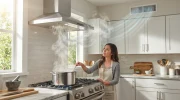
Dr. Allen emphasizes the importance of ventilation and source control. "When you introduce new furnishings, the best immediate strategy is to enhance your ventilation. Open windows and doors or consider using exhaust fans to dissipate these compounds."
Perspective: Tom Mills
Tom Mills, a Senior HVAC Technician, echoes Dr. Allen's sentiments. He insists that while air purifiers have their benefits, they shouldn't be seen as a catch-all solution. "Unless the air filter specifically notes that it captures VOCs, many standard models won't be effective against these compounds," he cautions. He recommends investing in air purifiers with activated carbon filters, as they are better suited for VOC removal.
Mills also notes that timing is crucial. "If you're moving into a new home or purchasing new furniture, try to air out these items before bringing them into your living space. Exposure to clean air for at least 24 hours can significantly reduce VOC levels."
Perspective: Emily Harris
Emily Harris, an Energy Analyst and Home Inspector, offers another layer of perspective. She points out that homeowners often overlook the cumulative impact of VOCs. "It's not just the new furniture smell that's the problem; it's the mixture of various household products that contribute to indoor air pollution."
Harris encourages homeowners to be proactive about their choices. "Consider selecting furniture and products that are labeled low-VOC or VOC-free. Even though they might be more expensive, they are a worthy investment for your long-term health," she advises.
Editorial Synthesis
Where Experts Agree
- Air purifiers are not a one-stop solution for VOC removal.
- Enhanced ventilation is crucial for reducing indoor air pollution immediately.
- Investing in specialized filters, like activated carbon, can help in reducing VOC levels.
Where Experts Disagree
- The extent to which standard air purifiers contribute to overall indoor air safety.
- The timing and methods of introducing new furniture and products into the home vary across expert opinions.
Why This Matters
Understanding the limitations of standard air purifiers in combating VOCs equips homeowners with the knowledge needed to create safer living environments. As VOCs can have long-term health effects, combining good purchasing decisions with practical ventilation solutions makes all the difference. In a world where indoor air quality often goes unnoticed, shifting the focus toward proactive measures will lead to healthier and happier homes. Choosing low-VOC products and improving ventilation can significantly enhance your home's atmosphere, helping you breathe more easily and live more comfortably.
The Voices
Dr. Allen advocates for increasing awareness about the impact of VOCs from new furniture and building materials, as traditional air filters are often ineffective against these pollutants. He emphasizes the importance of using low-VOC products to ensure healthier indoor environments.
 Senior HVAC Technician
Tom Mills
Pragmatic Approach
Senior HVAC Technician
Tom Mills
Pragmatic Approach
While Tom Mills acknowledges the limitations of standard air purifiers in filtering out VOCs, he believes that combining good ventilation with quality air filtration systems can significantly improve indoor air quality and health outcomes.
 Energy Analyst and Home Inspector
Emily Harris
Pro Solutions
Energy Analyst and Home Inspector
Emily Harris
Pro Solutions
Emily supports exploring alternative solutions, such as air purifiers equipped with advanced filtration technology. She believes that while VOCs can be problematic, targeted solutions like these can help mitigate their impact in home environments.
A Cautious Approach to Air Purifiers and VOCs
Air purifiers can help, but they are not a complete solution for VOCs without proper ventilation.
References
- Volatile Organic Compounds (VOCs) and Indoor Air Quality Energy.gov
- Do Air Purifiers Help with VOCs? Consumer Reports
- The Effects of Indoor Air Quality on Health ASHRAE