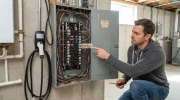
Have you ever faced a major repair in your home and thought your warranty would cover it, only to be hit with unexpected costs? Understanding your system's lifespan and warranty terms is crucial for every homeowner.
Why This Matters Now
In today's climate, with rising energy costs and the importance of maintaining a comfortable living environment, homeowners rely heavily on their HVAC systems. On average, these systems last about 15 to 20 years, depending on usage and maintenance. But with many warranties lasting 10 years or less, homeowners can find themselves in a tricky situation when needing a repair just after their warranty expires. In fact, the fine print of these warranties often reveals clauses that can leave you vulnerable to high repair costs, leading many to wonder whether they're really protected at all.
Perspective: John Smith (HVAC Technician)
As an HVAC technician with over 15 years of experience, John Smith has seen firsthand the impact of warranty limitations. Many homeowners are surprised to find a "loophole" in the language of their warranty. For instance, if a technician identifies a covered part but finds that it was improperly installed, or that the homeowner didn't perform needed maintenance, the warranty could be voided.
This situation puts the homeowner at risk, placing them back at square one with billable repairs. "I always recommend my clients read the fine print thoroughly and schedule regular maintenance—not just for efficiency, but to keep their warranties valid. A meticulous maintenance record could mean the difference between a covered repair and out-of-pocket costs."
Perspective: Sara Johnson (Energy Analyst)
From an energy analyst's perspective, Sara Johnson points to the larger issue: a lack of transparency in warranty conditions. Consumers often assume they are protected when purchasing new systems, yet many are oblivious to the fine print that might exclude essential repairs. "According to my research, approximately 37% of homeowners believe their warranty covers all significant issues, when in fact, most warranties come with stipulations that can lead to significant costs."
Energy efficiency is increasingly a priority, especially with new energy-saving regulations. If a system fails and you find yourself in need of repairs just outside warranty conditions, you may also miss out on upgrading to a more efficient model that could save you on long-term energy costs. "It's critical for homeowners to review both the lifespan of their systems and the intricacies of their warranties in alignment with future energy needs."
Perspective: Mike Reynolds (HVAC Contractor)
As an HVAC contractor, Mike Reynolds says one of the most egregious practices he encounters is the misrepresentation of warranty coverage by some manufacturers and retailers. Many of these companies capitalize on complex legal verbiage that leaves homeowners in the dark. "They might boast about their products' extended warranties, yet fail to disclose that certain actions—like neglecting annual service or using non-OEM parts—can void that warranty."
Homeowners should also be wary of relying solely on the warranty's length. The real focus should be on the coverage details instead. "A long warranty on a product that regularly requires maintenance is essentially meaningless if the repairs aren't covered when they need them most. My advice is straightforward: always factor in maintenance when investing in new installations and be proactive in understanding your warranty."
Editorial Synthesis
Where Experts Agree
- Homeowners often misunderstand the scope of their systems' warranties.
- Regular maintenance is crucial to keeping warranties valid.
- Miscommunication around warranty terms can lead to unexpected financial burdens.
Where Experts Disagree
- The extent to which warranty terms should be standardized across the industry.
- The focus on warranty length as a selling point versus the actual coverage details.
Why This Matters
Understanding the true implications of your HVAC system's warranty can protect you from costly repairs later on. Ensuring your system is regularly maintained and knowing the warranty's limitations can make a world of difference. In a consumer landscape rife with complex clauses, relying on the manufacturers' word can lead to disillusionment when repairs hit your wallet hard. As you invest in your home's comfort and energy efficiency, remember that knowledge is power—and being proactive about your warranty can save you both money and headaches in the long run.
Safeguard your investment by asking questions, reading the fine print, and staying on top of maintenance schedules. In an era where the climate is shifting and costs are rising, making informed decisions today will ensure that your home remains a sanctuary for years to come.
The Voices
Warranties often contain hidden clauses that many homeowners overlook. I advocate for clearer communication from companies regarding what is truly covered under warranty, ensuring homeowners aren't blindsided by unexpected costs.
 Energy Analyst
Sara Johnson
Balanced Perspective
Energy Analyst
Sara Johnson
Balanced Perspective
While warranties are intended to provide peace of mind, it's crucial for homeowners to fully understand what these claims cover. Better education on warranty details and implications can lead to more informed decisions.
 HVAC Contractor
Mike Reynolds
Pro Industry Standards
HVAC Contractor
Mike Reynolds
Pro Industry Standards
Warranties are built with the intent to protect both the manufacturer and the consumer. I believe that while there may be complexities, proper implementation can benefit all parties involved as long as consumers remain proactive in understanding their terms.
Navigating the Warranty Minefield: What Homeowners Must Know
Homeowners must be vigilant and informed about their warranty details to avoid costly surprises.
References
- The Importance of Proper HVAC Maintenance Energy.gov
- Understanding Your HVAC System's Warranty Consumer Reports
- HVAC System Lifespan and Maintenance ASHRAE