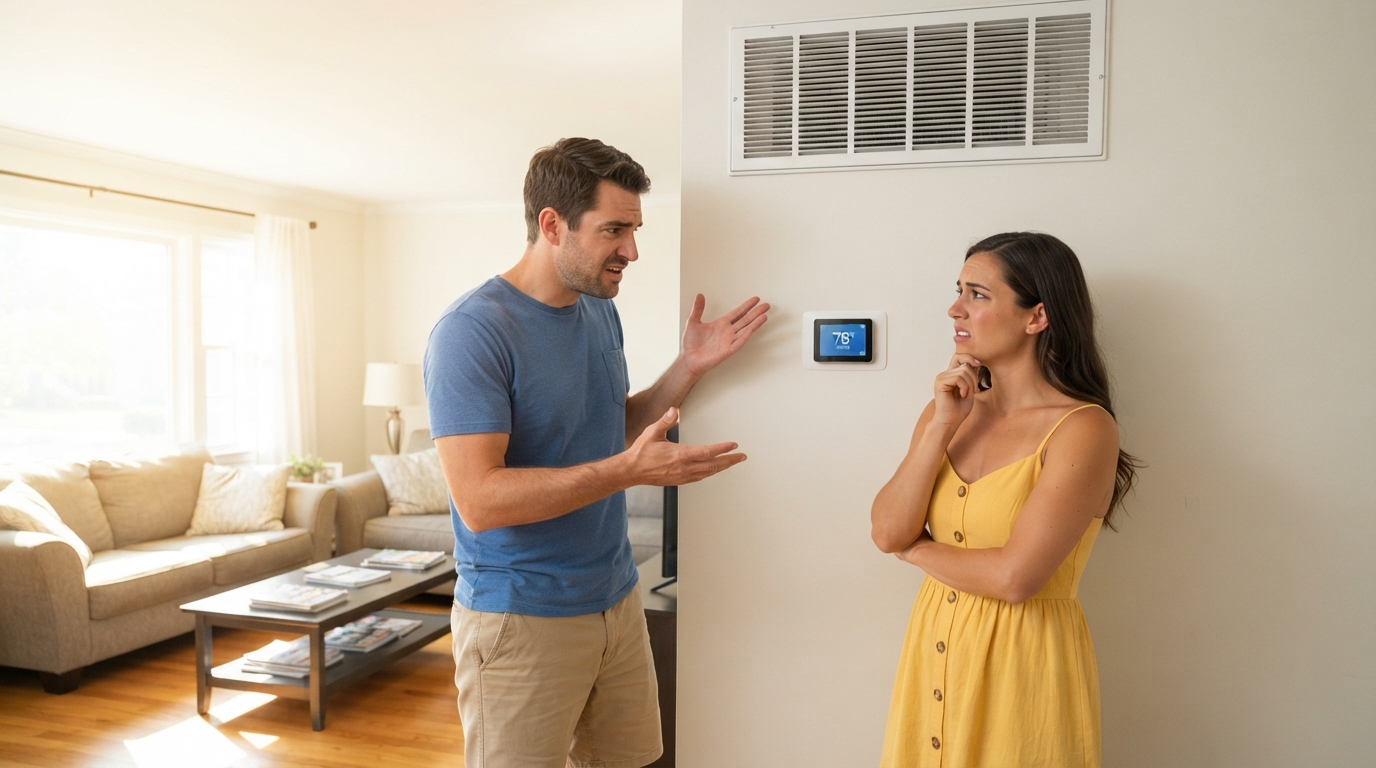
As temperatures rise, many homeowners grapple with a pressing question: should I invest in a bigger air conditioning unit to keep my home cool? It sounds logical—more power should mean more cooling. However, HVAC experts caution that this common assumption could lead to more discomfort and higher bills. Understanding the nuances of air conditioner sizing is crucial for maintaining a pleasant home climate.
Why This Matters Now
With climate change affecting weather patterns and increasing heat waves, the significance of efficient cooling systems has never been greater. Homeowners are looking for ways to mitigate extreme temperatures while also being mindful of energy consumption and costs. Poorly sized air conditioning units not only fail to cool adequately but can also lead to increased energy expenditure and a larger carbon footprint.
Perspective: John Hall (HVAC Technician)
John Hall, a seasoned HVAC technician, has seen first-hand the consequences of incorrect AC sizing. "A common myth is that bigger units cool a space faster. In reality, an oversized unit will cool the air too quickly without properly dehumidifying it," he explains. This results in a stuffy and uncomfortable environment since humidity levels remain high.
Hall emphasizes the importance of proper installation. "Every home is unique—factors like insulation, square footage, and orientation affect the cooling load. An oversized unit is more prone to short cycling, where it turns on and off frequently, reducing its efficiency and lifespan."
Perspective: Lydia Martinez (Energy Analyst)
Energy analyst Lydia Martinez adds another layer to this discussion, highlighting the energy inefficiencies that come with oversizing. "According to studies, around 60% of homes are equipped with incorrectly sized AC units. This not only increases energy consumption but also leads to higher costs. Over time, these inefficiencies stack up," she states.
Martinez urges homeowners to consider energy ratings when selecting an AC unit. "Look for units with higher SEER (Seasonal Energy Efficiency Ratio) ratings which indicate better energy performance. A properly sized and efficient unit will ultimately save you money on utility bills while ensuring comfort."
Perspective: Richard Neumann (Building Scientist)
Richard Neumann, a building scientist, delves into the structural and environmental implications of AC sizing. He points out, "Every building has unique thermal characteristics that influence how heat enters and escapes. Oversized AC units can lead to uneven cooling, which exacerbates hot and cold spots within a home. This not only affects comfort but can also stress the building envelope, causing issues like condensation and mold."
Neumann brings attention to the broader environmental impacts. "Using more energy than necessary not only harms your wallet but contributes to greenhouse gas emissions. It's crucial to invest in solutions that promote efficiency and sustainability."
Editorial Synthesis
Where Experts Agree
- Oversized air conditioning units lead to poor humidity control.
- Proper AC sizing is essential for energy efficiency and cost savings.
- Every home has unique characteristics that must be considered when sizing an AC unit.
Where Experts Disagree
- The extent to which short cycling affects unit lifespan and performance.
- The best metrics for measuring efficiency outside of SEER ratings—some believe new technologies surpass traditional metrics.
Why This Matters
The debate surrounding air conditioner sizing is not merely academic; it's crucial for homeowners aiming to create a comfortable and sustainable living environment. By recognizing that bigger is not necessarily better, homeowners can make informed decisions that protect both their wallets and the planet.
Taking the time to evaluate your home's needs, and consulting with professionals inevitably leads to a more effective cooling solution. Whether you're facing a sweltering summer or looking to reduce your environmental impact, understanding the importance of appropriate AC sizing will empower you to make choices that enhance your home's climate.
Investing in a correctly sized air conditioning unit can make all the difference in achieving and maintaining a comfortable indoor atmosphere. Remember, it's not just about beating the heat—it's about doing so wisely.
The Voices
 HVAC Technician
John Hall
Oversized AC Issues
HVAC Technician
John Hall
Oversized AC Issues
Installing a larger AC unit may seem like a quick fix for cooling, but it often leads to short cycling, increased humidity, and higher energy bills. Proper sizing is crucial for optimal comfort and efficiency.
 Energy Analyst
Lydia Martinez
Balanced Perspective
Energy Analyst
Lydia Martinez
Balanced Perspective
While a larger AC might appear to cool faster, it's important to understand the balance between capacity and efficiency. Correct sizing brings long-term savings and comfort.
 Building Scientist
Richard Neumann
Right Size for Comfort
Building Scientist
Richard Neumann
Right Size for Comfort
The pressing need for proper HVAC system sizing cannot be overstressed. A unit that matches the home’s specifications offers better air quality and energy efficiency.
The Case for Properly Sized AC Units
Properly sized AC units are essential for efficiency and comfort.
References
- Cooling Your Home Efficiently Energy.gov
- Sizing Air Conditioners Energy Star
- The Impact of HVAC Sizing on Performance ASHRAE