Is your HVAC system leaving you cold—literally and financially? Homeowners often face the temptation to tackle HVAC issues themselves, thinking it will save money. But the question remains: which DIY fixes are smart and which will cost you more in the long run?
Why This Matters Now
In an era where energy costs are on the rise and climate control is more crucial than ever, understanding DIY HVAC fixes is vital. Homeowners are increasingly looking for ways to save money while maintaining comfort. However, improper repairs can lead to costly repercussions. With many people spending more time at home, ensuring an efficient HVAC system is essential for both comfort and financial savings.
Expert Perspectives
Perspective: Mark D'Angelo (HVAC Technician)
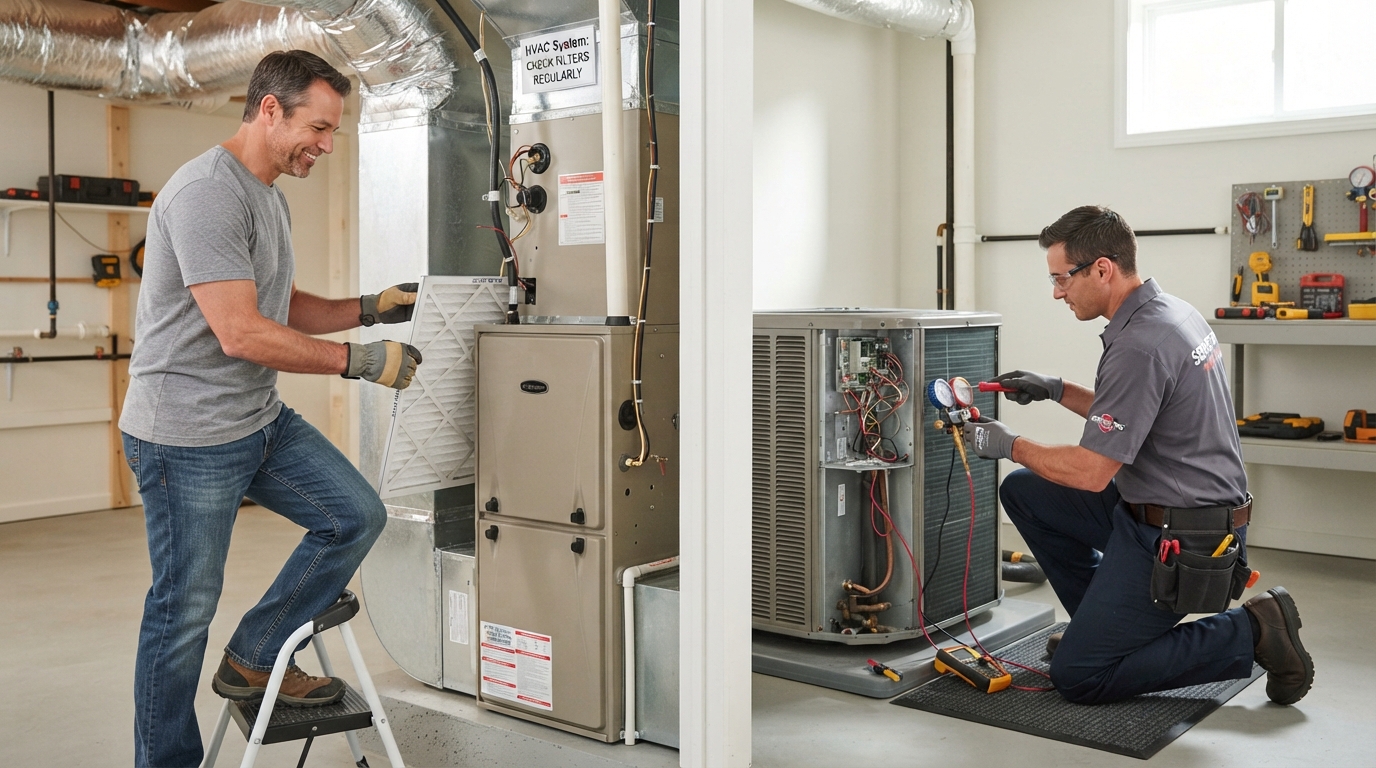
Mark D'Angelo emphasizes the importance of knowing what you can and cannot handle. "Some tasks are simple enough—like changing air filters or cleaning the outdoor unit—that can have a major impact on efficiency," he notes.
Pros of DIY:
- Changing Filters: This is often the easiest first step and can improve air quality and efficiency.
- Cleaning Condenser Coils: Regular cleaning can prevent long-term system damage.
Cons of DIY:
- Refrigerant Issues: Attempting to recharge refrigerant can lead to leaks or improper charge levels, which are both costly.
- Electrical Components: Messing with wiring can cause shorts that may damage the entire system or even pose safety risks.
Perspective: Lisa Thompson (Energy Analyst)
Lisa Thompson believes in the cost-effectiveness of informed DIY approaches but warns against common pitfalls. "It's essential to know the energy savings versus the potential for increased costs due to DIY errors," she says.
Pros of DIY:
- Seal Leaks: Sealing ducts and windows can significantly lower energy bills and improve HVAC efficiency.
- Regular Maintenance: Keeping up with simple maintenance tasks can extend the lifespan of HVAC systems.
Cons of DIY:
- Ignoring Signs: Sometimes, a small issue can indicate a more significant problem. Ignoring it due to overconfidence in DIY repairs can escalate costs.
- DIY Installations: Upgrading or installing HVAC systems without professional help can lead to inefficient systems that cause higher energy bills.
Perspective: Paul Grant (Home Inspector)
Paul Grant provides a homeowner's practical viewpoint on DIY fixes. "For many, it's about making repairs quickly and cheaply without understanding the long-term implications," he cautions.
Pros of DIY:
- Small Repairs: Fixing leaky ducts or tightening up vents is usually straightforward and beneficial.
- Cost Savings: Avoiding service calls for small jobs can represent significant savings over time.
Cons of DIY:
- Mysterious Noises: Homeowners often misinterpret sounds from their HVAC systems, which could be warning signs of more significant issues.
- Warranty Issues: Performing unauthorized repairs can void manufacturer warranties, leading to potential future financial burdens.
Editorial Synthesis
Where Experts Agree
- Regular Maintenance Matters: Mark, Lisa, and Paul all agree that regular DIY maintenance, like changing filters and cleaning, is beneficial for energy efficiency and equipment longevity.
- Assess Your Capabilities: They emphasize the importance of understanding personal skill levels before diving into any DIY project, especially regarding complex systems like HVAC.
Where Experts Disagree
- Depth of DIY Work: There's a divide over which repairs can be safely tackled by the average homeowner. Mark feels that minor electrical fixes should be off-limits, while Lisa believes that some advanced tasks can be learned through reputable resources.
- Cost-Effectiveness: While Lisa argues that some DIY fixes can be educational and yield savings, Paul suggests that the risk of further damage makes professional help worth it for many homeowners.
Why This Matters
Understanding which HVAC fixes you can handle and which ones are best left to professionals can save money and time. Homeowners should be empowered with knowledge, yet cautious with execution. As we move toward more energy-efficient practices and tackle high energy costs, this awareness becomes essential.
Consider the potential savings versus the cost of mistakes. Small, smart DIY tasks can contribute to a comfortable home environment, but embracing professional assistance for more complex issues may ultimately save you from costly future repairs. After all, your home's climate and its efficiency are too important to gamble with.
Finding the right balance between DIY enthusiasm and the expertise of professionals can help you manage your home's climate effectively and economically. Choose wisely, and you'll enjoy both comfort and savings.
The Voices
Mark advocates for certain DIY HVAC fixes, emphasizing that proactive maintenance can prevent larger issues. He believes many homeowners can safely perform straightforward repairs and save on service costs, as long as they follow guidelines and understand their systems.
 Energy Analyst
Lisa Thompson
Caution on DIY
Energy Analyst
Lisa Thompson
Caution on DIY
Lisa warns against DIY HVAC fixes, highlighting the complexities involved and the potential costs of incorrect repairs. She emphasizes that while some tasks may seem simple, they can lead to significant damage or energy waste if not done correctly.
Paul believes in a balanced approach to DIY HVAC fixes. He acknowledges that while some repairs may be manageable for homeowners, others should be left to professionals. Understanding the specific system and risks involved is crucial.
Navigating the DIY HVAC Landscape
DIY HVAC fixes can save money, but knowing when to call a professional is essential.
References
- Home Energy Quick Guide Energy.gov
- Seasonal Maintenance Tasks for HVAC Systems Energy Star
- How to Maintain Your HVAC System Consumer Reports