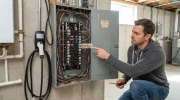
In today's world, keeping our homes comfortable often comes with a hefty price tag. With heating and cooling systems becoming more advanced—and, in turn, more costly—homeowners can find themselves feeling overwhelmed by the potential costs of HVAC work. How can you ensure you're not being overcharged for necessary services? Here are three simple questions you can ask your HVAC contractor.
Why This Matters Now
As energy prices soar and home heating and cooling systems become more complex, understanding what you're paying for is essential. Many homeowners are left in the dark about HVAC practices—and without proper knowledge, you could end up paying far more than you should. With current economic pressures, it's important to be resourceful and savvy when selecting a contractor.
Perspective: Brian W. Nestor (HVAC Technician)
What's included in this quote? A transparent quote should detail everything, including labor, parts, and any additional fees. Oftentimes, contractors provide an estimate that seems reasonable on the surface, but once you dive deeper, you may find hidden costs that jack up the price. For example, if a quote doesn't mention the cost of permits or disposal fees, it's likely you'll face those costs later.
Can you explain any specific materials you plan to use? If a contractor mentions premium materials without clarifying their benefits, you might be paying for unnecessary upgrades. Quality matters, but the best solution has to balance cost and effectiveness. If you're unsure why they're suggesting specific brands or materials, don't hesitate to ask.
What is the estimated return on investment (ROI) for the proposed upgrades? An ethical contractor should provide insight into how long it will take for these improvements to pay off in energy savings. If they can't give you a solid reason to invest more, it might be time to reconsider.
Perspective: Emily Johnson (Energy Analyst)
What's included in this quote? This question reveals not just transparency but the contractor's understanding of comprehensive pricing. An itemized estimate brings clarity to the entire scope of work, illuminating potential areas of concern. If a contractor avoids this question or gives vague answers, it might be a red flag for potential overcharging.
Can you explain any specific materials you plan to use? Certain materials can provide different efficiency levels. Homeowners must understand if they are being suggested high-end products merely for profit or for their true energy-saving benefits. Transparency here isn't just about materials but also about how those elements will influence future utility costs.
What is the estimated return on investment (ROI) for the proposed upgrades? If contractors can't support their claims with data, such as energy savings calculations related to the suggested improvements, you may not be getting the full picture. Quality HVAC installations can offer significant energy savings, but only if the value proposition is sound.
Perspective: Mark Thompson (Building Scientist)
What's included in this quote? Knowing the details of a quote allows homeowners to assess whether they are receiving fair value. Many contractors sacrifice detailed quotes to obscure costs that may appear inflated. This becomes particularly important in the current market, where supply chain issues can drive costs higher unexpectedly.
Can you explain any specific materials you plan to use? Understanding the specifics can help discern a contractor's level of skill. A knowledgeable contractor who can explain the advantages of certain materials is often a sign of expertise.
What is the estimated return on investment (ROI) for the proposed upgrades? ROI calculations are crucial. If a contractor emphasizes immediate performance without discussing long-term savings, it may indicate a short-sighted approach. Suggestion of upgrades should always include thorough evaluations of value over time.
Editorial Synthesis
Where Experts Agree
- Itemized quotes are essential: All three experts stress the importance of transparency in pricing. A detailed breakdown can protect homeowners from unexpected costs.
- Material knowledge matters: Understanding why specific brands or materials are suggested can highlight a contractor's expertise and sincerity.
- ROI should be a key discussion point: Each expert agrees that contractors should provide estimates regarding energy savings and investment returns.
Where Experts Disagree
- The necessity of high-end materials: Brian leans toward effective yet affordable solutions, while Emily believes high-end materials could save more in energy costs if used wisely.
- Consumer knowledge levels: Mark emphasizes a homeowner's understanding should reach a technical level, whereas Emily advocates for simplicity in understanding key concepts like ROI.
Why This Matters
As a modern homeowner, you want to ensure you're making the best choices in regards to your home climate without breaking the bank. By equipping yourself with the right questions, you're not just safeguarding your budget; you're also taking an active role in your home's energy efficiency. Remember, the best contractors will welcome your inquiries and participate in a transparent dialogue about costs and benefits.
Investing in HVAC upgrades or repairs can seem daunting, but with these three vital questions, you can better navigate the complexities of hiring a contractor. Build a partnership with your HVAC specialist based on trust, clarity, and a shared goal of creating the most efficient, comfortable home possible.
The Voices
 HVAC Technician
Brian W. nestor
Pro Transparency
HVAC Technician
Brian W. nestor
Pro Transparency
Transparency in pricing is crucial for customers when selecting an HVAC contractor. By asking the right questions, homeowners can identify overcharging practices and ensure they are getting the best value for their investment.
 Building Scientist
Emily Johnson
Balanced Perspective
Building Scientist
Emily Johnson
Balanced Perspective
While identifying overcharges is essential, it’s also important to consider the overall value of service, including reliability and quality. Questions can reveal some pricing issues but should also encompass the scope and expertise of the contractor's offerings.
 Building Scientist, Home Inspection Services
Mark Thompson
Pro Pricing Awareness
Building Scientist, Home Inspection Services
Mark Thompson
Pro Pricing Awareness
Homeowners must be vigilant about potential overcharging by contractors. Asking specific questions about pricing structures and the rationale behind costs can empower them to make informed decisions and avoid unneeded expenses.
Empowering Homeowners in HVAC Choices
Stay informed and proactive to avoid overpaying for HVAC services.
References
- Choosing and Improving Heating and Cooling Systems Energy.gov
- Finding a Qualified Contractor Energy Star
- How to Hire a HVAC Contractor Consumer Reports