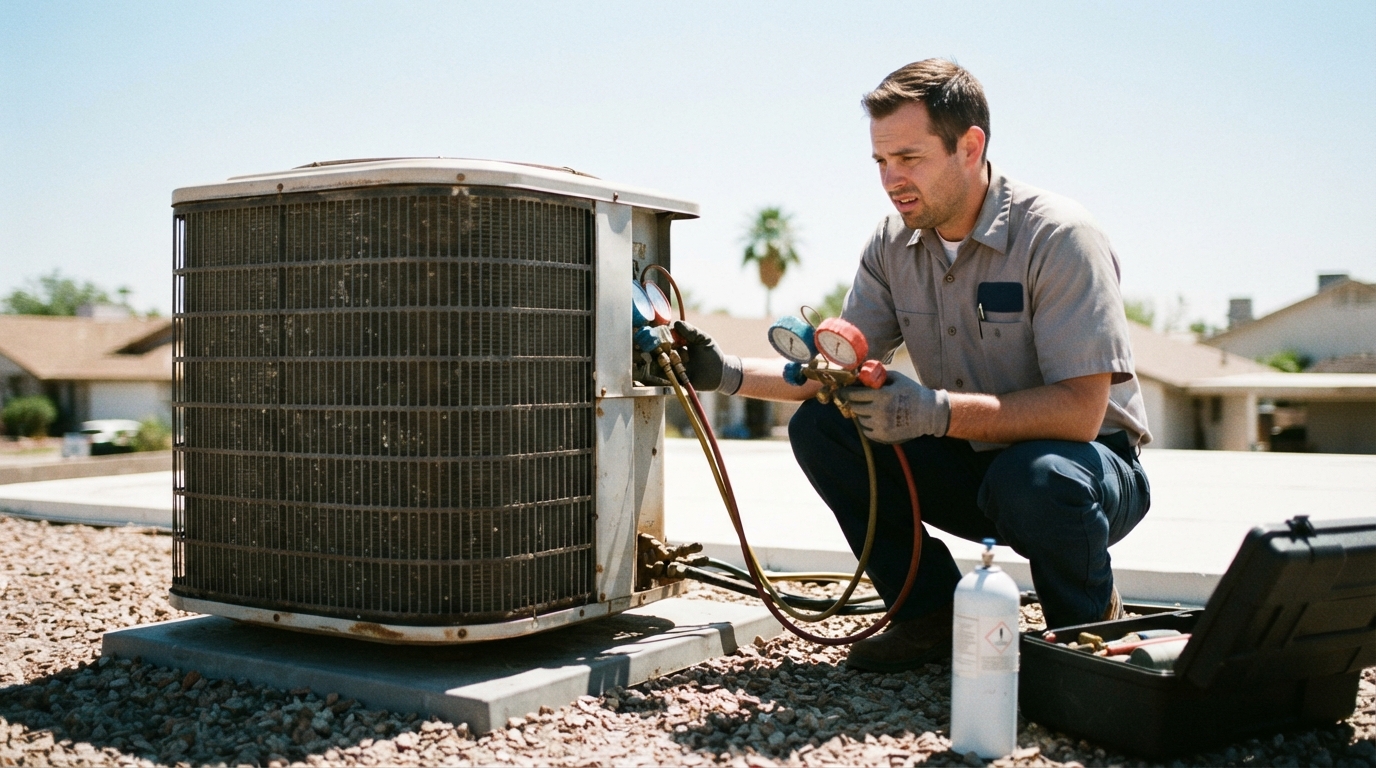
Is your aging air conditioning system running smoothly, or is it time to brace for a potential shock in repair costs? If you haven't heard about the recent refrigerant ban, you might be in for a surprise during your next maintenance call.
Why This Matters Now
With climate change at the forefront of environmental discussions, many countries are tightening regulations on substances that contribute to global warming. One such substance is hydrofluorocarbons (HFCs), commonly used in air conditioning units. This refrigerant is potent in its heat-trapping abilities—thousands of times more impactful than carbon dioxide. As we aim for a sustainable future, many governments are phasing out HFCs.
What does this mean for homeowners? If your AC system is over a decade old, the refrigerant it uses could soon be illegal. As these systems are phased out, the availability of HFCs will dwindle, and the costs of repairs could skyrocket.
Expert Viewpoints
Perspective: Dr. Ashraful Islam (HVAC Technician & Educator)
Dr. Islam provides insight into the mechanics of air conditioning and what the ban means for technicians and homeowners alike. "Many older AC units use R-22 refrigerant, which is being phased out due to its harmful environmental impact. By 2020, the production of R-22 was banned in the U.S., making it increasingly scarce and expensive. Homeowners need to understand that they may face steep costs for repairs if their unit requires this refrigerant since it's harder to come by."
He paints a picture of what's at stake for homeowners: "If you're looking at repairs for an older unit, consider that the costs will likely be higher not just because of labor, but due to the scarcity of certain refrigerants. Instead of getting a simple fix, you might find yourself facing a full replacement."
Perspective: Lisa Williams (Energy Analyst at EcoEnergy Solutions)
From an energy efficiency angle, Lisa Williams emphasizes the importance of transitioning to greener alternatives. "While HFCs are being phased out for their environmental cost, new refrigerants, such as R-410A and R-32, provide options that have less climate impact. However, transitioning to these systems isn't just a matter of swapping out coolant; it often requires a complete system redesign, which can be more expensive in the short term."
She urges homeowners to be proactive: "Investing in newer technology now could save you money in the long run. Opting for a more efficient unit not only keeps you compliant with laws but also lowers your energy bills and your carbon footprint."
Perspective: Tom Rodriguez (HVAC Contractor & Owner, Rodriguez HVAC)
Tom Rodriguez highlights the real-world implications for service providers and homeowners. "I see the refrigerant ban impacting not just the costs, but also the repair landscape itself. Homeowners with existing systems might feel trapped; repair costs can certainly escalate if they require phasing out HFC refrigerants."
He shares anecdotes from his work: "Last summer, I had several clients with R-22 systems facing repairs that were eye-watering due to the cost of refrigerants. They ended up needing to replace their systems sooner rather than later. It's a tough pill to swallow, but the longer they wait, the higher the replacement costs might climb."
Editorial Synthesis
Where Experts Agree
- Costs associated with repairing older units using HFCs are expected to rise.
- Homeowners with aging systems will likely need to consider replacements soon.
- New refrigerants provide opportunities for greater energy efficiency and lower long-term costs.
Where Experts Disagree
- Experts differ on the timing of necessary replacements. Some suggest immediate action, while others recommend waiting for breakdowns.
- The choice of which new refrigerant is best in the long-term is still up for debate.
Why This Matters
As a homeowner, understanding the implications of the refrigerant ban can empower you to make informed decisions about your HVAC system. The transition may seem burdensome, especially if your current unit seems to be functioning adequately. However, the risk of sky-high repair bills might make that decision for you sooner than expected.
Investing in a newer, more efficient system now can ease your financial burden later and contribute positively to the environment. Keeping your home comfortable shouldn't come with an anxiety-inducing price tag. Therefore, consider consulting with a trusted HVAC professional before the demand for newer systems outstrips supply, leaving you exposed to unpleasant surprises during your next repair.
Take action now, and you'll have the peace of mind that comes with knowing you're prepared for the future, both for your wallet and the planet.
The Voices
 HVAC Technician & Educator
Dr. Ashraful Islam
Pro Regulation
HVAC Technician & Educator
Dr. Ashraful Islam
Pro Regulation
The shift away from traditional refrigerants is necessary for environmental protection and improving energy efficiency. By embracing these changes now, we can avert greater costs and damaging consequences down the road.
 Energy Analyst at EcoEnergy Solutions
Lisa Williams
Balanced Perspective
Energy Analyst at EcoEnergy Solutions
Lisa Williams
Balanced Perspective
While there are significant benefits to moving towards more sustainable refrigerants, it is crucial to address the immediate cost implications for consumers and businesses. A balanced approach will help mitigate financial impacts while promoting environmental goals.
 HVAC Contractor & Owner, Rodriguez HVAC
Tom Rodriguez
Consumer Concerns
HVAC Contractor & Owner, Rodriguez HVAC
Tom Rodriguez
Consumer Concerns
The shift to stricter refrigerant policies can dramatically increase costs for both repairs and new installations. It's essential to balance environmental goals with the financial realities faced by everyday consumers.
Understanding the Refrigerant Ban's Impact on Homeowners
Prepare for higher AC repair costs due to the refrigerant ban.
References
- Hydrofluorocarbons (HFCs) Energy.gov
- Refrigerant Transition Resources ENERGY STAR
- Position Document on Climate Change ASHRAE