As winter sets in, many homeowners find themselves pondering a crucial question: Do heat pumps truly fail in extreme cold, specifically when temperatures plummet to -20°F? This difficult scenario becomes even more pressing for those relying on heat pumps for their winter heating.
Why This Matters Now
With climate change presenting unpredictable weather patterns, understanding how our heating systems respond to extreme temperatures is more important than ever. The ongoing conversation about heat pumps is particularly relevant as their popularity rises, touted for their energy efficiency and eco-friendliness. However, varying efficiency ratings and performance in low temperatures lead to confusion among homeowners who might be considering or currently relying on this technology.
To clarify the reality of heat pumps in severe cold, we consulted experts in the field—Michael Blasnik, an energy analyst; Gina DeVito, an HVAC technician; and John L. Maier, a building scientist.
Perspective: Michael Blasnik (Energy Analyst)
Heat pumps have gained traction recently as a viable alternative for home heating. However, they are not without limitations. Michael Blasnik emphasizes that while modern heat pumps perform decently at cold temperatures, they do experience decreased efficiency as the temperature drops.
"At -20°F, most conventional air-source heat pumps will struggle to keep up with heating demands. Their efficiency declines, leading to higher energy consumption and smaller heating outputs," Blasnik notes. This means homeowners may find their units running longer to deliver the same amount of warmth, leading to anguish over energy bills and overall performance.
However, Blasnik highlights that not all heat pumps are created equal. "Advanced models designed for cold climates can perform satisfactorily even at these extreme temperatures, but they often require special consideration during installation," he adds. Proper installation and system sizing are critical for achieving optimal efficiency during the winter months.
Perspective: Gina DeVito (HVAC Technician)
From the hands-on perspective of HVAC technician Gina DeVito, practicality takes center stage. She reiterates that while heat pumps aren't going to "die" at -20°F, there may be significant operational challenges. In her experience, customers with traditional heat pumps face difficulties that could lead to a breakdown in performance, especially with older units.
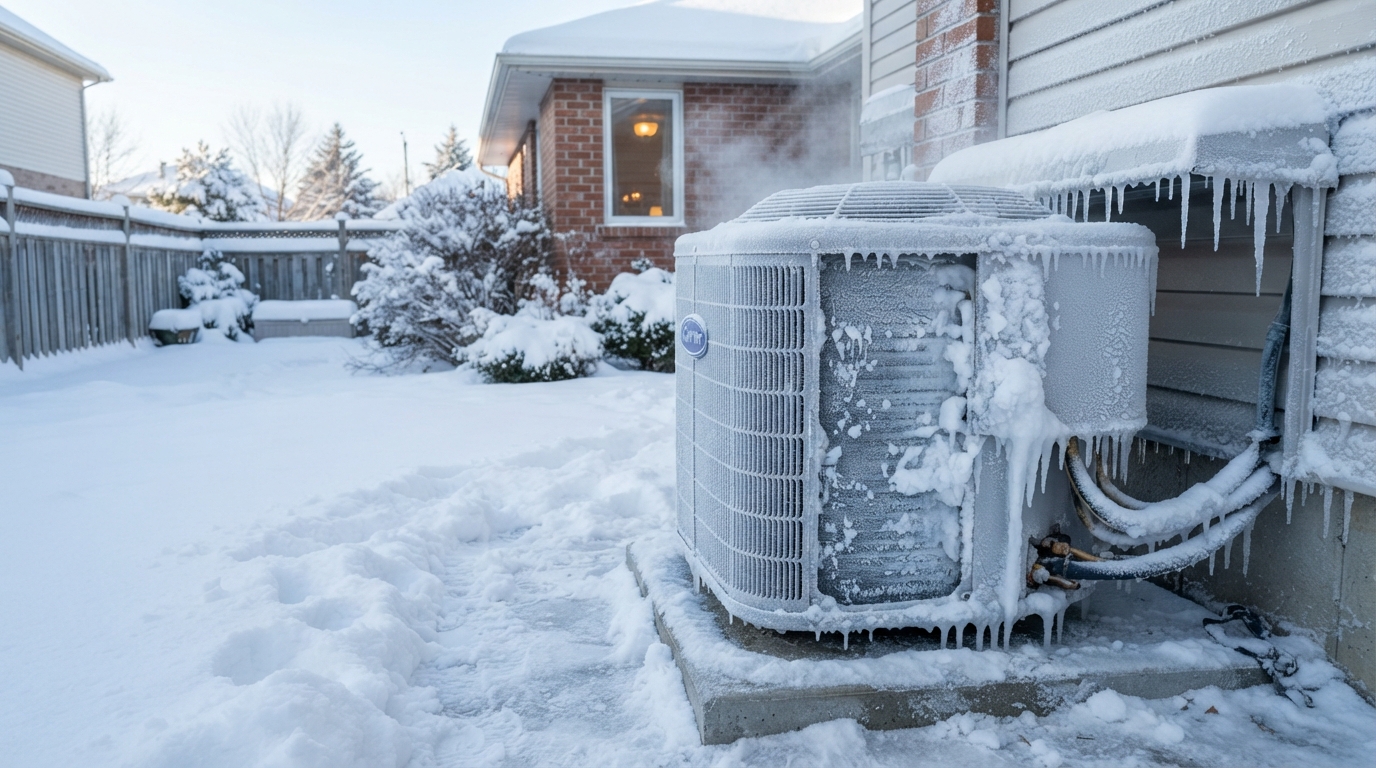
"If you have a heat pump that isn't designed for extreme cold, it might not shut down, but it could freeze up, leading it to become less effective at producing heat," DeVito explains. In such cases, homeowners may also experience an ice build-up on the outdoor unit, which can severely reduce efficiency and may even necessitate a technician's visit. Rain and snow can contribute to these issues, affecting the heat pump's ability to function.
Nevertheless, DeVito acknowledges that new advancements in technology, such as improved defrost cycles, help mitigate these problems. "It's crucial to have your system serviced regularly, especially before winter, to ensure it operates efficiently even when the temperature dips."
Perspective: John L. Maier (Building Scientist)
Building scientist John L. Maier takes a broader approach, focusing on energy systems and their interaction with building performance. He notes that homeowners should also consider their home insulation and overall energy efficiency when relying on heat pumps for heating in extreme conditions.
"The performance of a heat pump is intertwined with how well the rest of the home retains heat," Maier states. Homes with poor insulation may lead to higher heating demands, making it difficult for heat pumps to keep up, regardless of their specifications.
Maier also points out that while heat pumps have a lower capacity to generate heat at extremely low temperatures, they continue to operate and provide some level of heat. "It's about managing expectations. Homeowners should be aware that when temperatures dive, they might need a backup system—like electric resistance heating—to maintain comfort," he advises.
Editorial Synthesis
Where Experts Agree
- Modern heat pumps struggle in extreme cold, particularly near or below -20°F.
- Proper installation and system maintenance are essential for optimal performance.
- The home's insulation and overall energy efficiency significantly impact how effectively a heat pump can operate.
Where Experts Disagree
- Some experts believe that advanced models are more than capable of handling severe cold temperatures, while others emphasize the need for backup systems.
- There is varying opinion on the degree to which heat pumps may "freeze up" or experience operational failures in extreme conditions.
Why This Matters
Understanding the performance of heat pumps in extreme cold is vital for homeowners looking to ensure their homes remain warm and energy-efficient during harsh winter conditions. While it's true that conventional models may face challenges at -20°F, advancements in technology are bridging gaps in performance—especially for models specifically built for colder climates. Knowing that factors like insulation also play a crucial role allows homeowners to take a holistic approach toward their heating solutions.
In conclusion, if you're considering installing a heat pump or currently have one, recognize the importance of proper maintenance and technology choices. By staying informed and prepared, you can enjoy the benefits of this innovative heating solution without the worries of winter's deepest chill.
The Voices
 Energy Analyst
Michael Blasnik
Balanced Viewpoint
Energy Analyst
Michael Blasnik
Balanced Viewpoint
Heat pumps can operate efficiently in colder temperatures, but their performance can degrade significantly below 20°F. Understanding system limitations in extreme cold is crucial for homeowners considering heat pumps as a primary heating source.
 HVAC Technician
Gina DeVito
Supportive of Heat Pumps
HVAC Technician
Gina DeVito
Supportive of Heat Pumps
Many modern heat pumps are designed to handle colder climates, and they can continue to provide heat even at -20°F with the right technology and maintenance. Homeowners should not overlook their potential effectiveness during extreme weather.
 Building Scientist
John L. Maier
Cautious Optimism
Building Scientist
John L. Maier
Cautious Optimism
While heat pumps do have advantages, their effectiveness can significantly decline in extreme cold without proper adaptation. Homeowners should ensure their systems are rated for such temperatures to avoid failure during critical periods.
Navigating the Cold: Heat Pumps in Extreme Temperatures
Not all heat pumps perform well in extreme cold; choose wisely for winter reliability.
References
- Heat Pump Systems Energy.gov
- Heating and Cooling with a Heat Pump EnergyStar.gov
- ASHRAE Position Document on HVAC and Indoor Environment in Historical Context ASHRAE