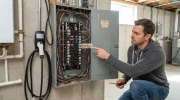
When you glance at your energy bill each month, can you decipher what it really means for your home's heating and cooling efficiency? The truth is, many homeowners overlook a crucial number that may reveal whether their HVAC system is draining their wallets.
Why This Matters Now
As energy prices continue to rise and the push for energy efficiency becomes more critical, understanding your HVAC system's performance has never been so important. With climate change prompting more extreme weather conditions, the demand for effective and efficient heating and cooling systems has increased. Knowing how your HVAC impacts your energy bill can lead to smarter home investments and ultimately, substantial savings.
The Crucial Number: Seasonal Energy Efficiency Ratio (SEER)
One key statistic to focus on is your HVAC system's Seasonal Energy Efficiency Ratio (SEER). This number indicates how efficiently your air conditioning unit operates over a typical cooling season. A higher SEER rating means better energy efficiency, whereas a lower rating suggests your system may be wasting energy and, thus, your money.
Perspective: Gina Reyes, Energy Analyst at EnergyWise
Gina Reyes emphasizes the importance of understanding SEER ratings. "SEER is often overlooked by homeowners, yet it's crucial. A higher SEER means your HVAC will consume less electricity for the same cooling output. With energy costs on the rise, investing in a higher SEER model can yield significant savings over time."
Reyes suggests that homeowners should consider their local climate and how much they rely on air conditioning. In areas with long, hot summers, a high SEER rating can directly impact monthly bills.
Perspective: Mark Lambert, HVAC Contractor at Air Flow Solutions
Mark Lambert takes a practical view from the field. "It's not just about the SEER number; it's how well your system is maintained. A system with a high SEER can still waste energy if it's poorly maintained or improperly sized for your home. Regular tune-ups and ensuring your system is the right fit for your space are key."
Lambert also notes that consumers should look for systems that comply with modern efficiency standards, as these options tend to offer better long-term savings and reliability.
Perspective: Dr. Emily Harris, Building Scientist at EcoBuild Research
Dr. Emily Harris brings a scientific perspective to the discussion. "While SEER gives a snapshot of efficiency, it's essential to also consider the entire building envelope. Issues such as poor insulation can lead to increased energy use regardless of your HVAC system's efficiency. People must look at their home as a whole."
Harris advises homeowners to invest in energy audits to identify if their envelopes are performing well and whether investments in insulation and sealing can complement HVAC improvements.
Editorial Synthesis
Where Experts Agree
- Higher SEER ratings generally lead to lower energy costs.
- Regular maintenance is critical for keeping HVAC systems efficient.
- It's essential to consider the overall efficiency of the entire home, not just the HVAC system.
Where Experts Disagree
- The emphasis on SEER: Some experts, like Reyes, argue it's the most critical number, while others, like Lambert and Harris, stress the importance of proper maintenance and building envelope efficiency.
- The necessity of energy audits: Dr. Harris emphasizes their importance, while Lambert focuses more on practical, ongoing maintenance.
Why This Matters
When assessing your HVAC system's efficiency, focusing on one key number—your SEER rating—can unlock deeper insights into how effectively you are spending money on heating and cooling your home. It's also essential to recognize that the SEER rating is not the only factor; it needs to be viewed in conjunction with regular maintenance and the home's overall efficiency.
As energy prices climb and climate concerns grow, understanding how to maximize your HVAC system's efficiency can lead to long-term savings and a healthier living environment. So next time you review your energy bill, take a moment to look at that SEER number and assess whether your HVAC system is earning its keep or just draining your budget.
Investing in a high SEER system combined with a proactive maintenance plan can make a world of difference—not only to your energy bills but also to your overall comfort in your home. Don't let knowledge hold you back from making informed decisions to better your living space.
Take charge of your home climate today!
The Voices
 Energy Analyst at EnergyWise
Gina Reyes
Pro Energy Monitoring
Energy Analyst at EnergyWise
Gina Reyes
Pro Energy Monitoring
Monitoring your energy bill is essential to understanding whether your HVAC system is functioning efficiently. A spike in costs often indicates that the system is overworking and wasting money.
 HVAC Contractor at Air Flow Solutions
Mark Lambert
System Efficiency
HVAC Contractor at Air Flow Solutions
Mark Lambert
System Efficiency
While the energy bill can be indicative of HVAC efficiency, there are many other factors at play. It's important to assess the entire system and its usage patterns to get an accurate picture.
 Building Scientist at EcoBuild Research
Dr. Emily Harris
Pro Comprehensive Assessment
Building Scientist at EcoBuild Research
Dr. Emily Harris
Pro Comprehensive Assessment
A single number on an energy bill can be misleading. A thorough understanding of building science is essential to truly assess HVAC efficiency and identify areas for improvement.
Understanding Your HVAC's SEER: Key to Energy Efficiency
Investing in a high SEER HVAC system, coupled with regular maintenance, is key to maximizing savings and efficiency.
References
- Air Conditioner SEER Ratings Energy.gov
- Understanding SEER Ratings Energy Star
- Energy Efficiency in HVAC Systems ASHRAE