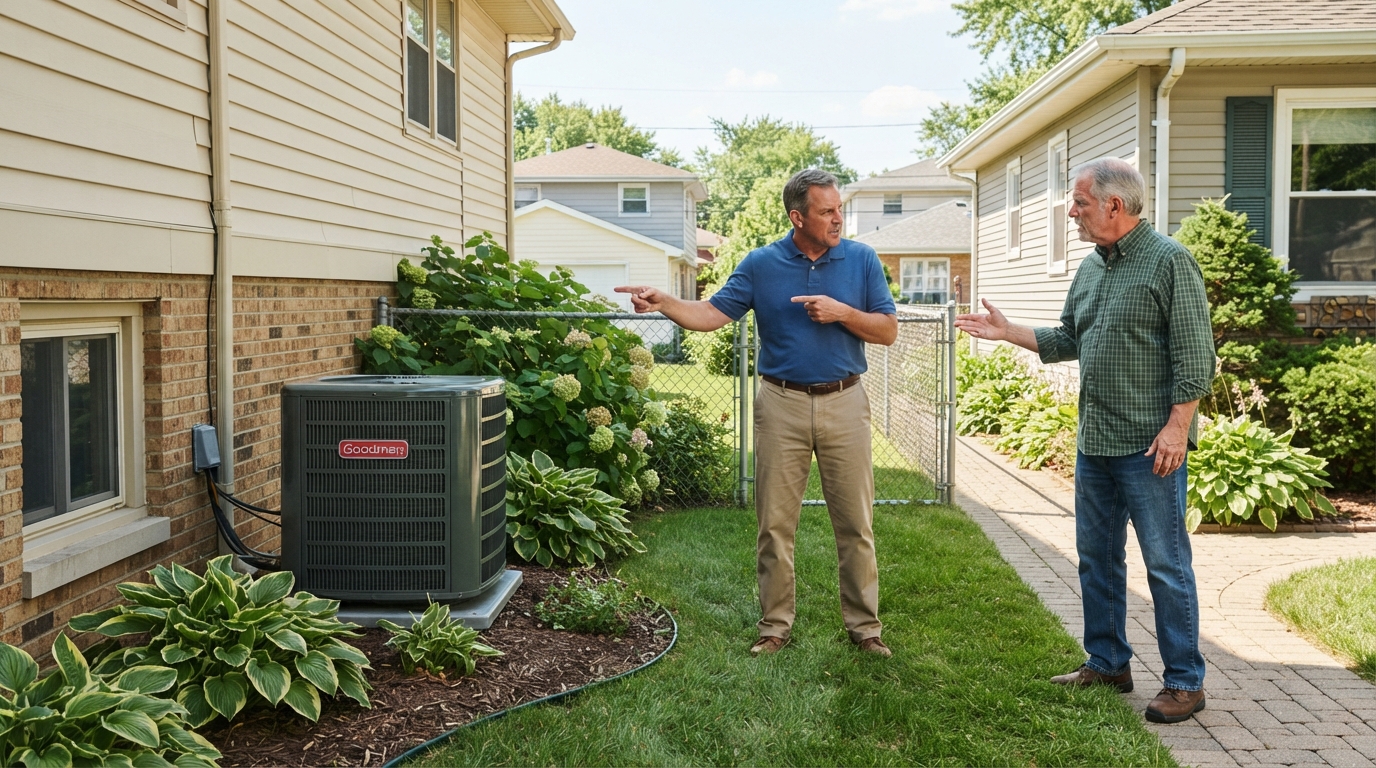
Is your air conditioning unit positioned exactly where it needs to be? Imagine this: you find the perfect spot for your outdoor AC unit, only to discover a neighbor dispute is brewing over HOA regulations—or worse, a hefty fine is looming. In today's climate of heightened awareness around energy efficiency and property aesthetics, the placement of outdoor HVAC units can lead to conflicts as heated as summer temperatures.
Why This Matters Now
With the middle of summer upon us, many homeowners are ramping up their cooling systems. As air conditioning becomes essential in sweltering heat, understanding local regulations and neighborly implications is more important than ever. The conflict can arise due to unapproved installations or disputes about noise and aesthetics, bringing in the local Homeowners Association (HOA) as a key player in resolving—or escalating—these tensions. This article dives into perspectives from experts to help clarify the stakes involved.
Expert Perspectives
Perspective: Chris Comet, HVAC Contractor, Comet Cooling Solutions
Chris Comet emphasizes the practical side of HVAC placement. "From an installation standpoint, the location of your outdoor unit is critical not just for efficiency but also for compliance with local ordinances and HOA rules." He notes a few key factors:
- Regulatory Guidelines: Many HOAs have specific regulations about how HVAC units should be positioned, primarily to maintain the community's appearance and mitigate noise.
- Service Accessibility: Ideally, units should be placed in locations that allow easy access for maintenance and emergency repair. This consideration can prevent conflicts down the line.
- Neighborly Considerations: Chris also cautions homeowners to keep their neighbors' comfort in mind. "If your unit is positioned too close to a property line, the noise can become a point of contention."
Perspective: Deborah Nguyen, Energy Analyst, EcoSmart Energy Solutions
Deborah Nguyen approaches the issue from an energy efficiency angle. "HOA guidelines may seem restrictive, but they often promote sustainability," she explains. Deborah shares a few insights on how regulatory frameworks can help:
- Promoting Energy Efficiency: HOA regulations can encourage homeowners to choose energy-efficient models based on optimal placement. Correct positioning can maximize performance and decrease energy bills, ultimately benefiting everyone in the neighborhood.
- Environmental Standards: HOAs promote not just aesthetics but also environmentally viable solutions that align with energy conservation efforts. A unit located in a less visible area might encourage homeowners to opt for more aesthetically pleasing, energy-efficient models.
- Long-Term Property Value: Compliance with HOA standards can protect your home's resale value. "Many buyers favor homes that blend well into the neighborhood," she notes, emphasizing that careful adherence to HOA rules is a wise investment decision.
Perspective: Mark Stanton, Building Scientist, Home Savvy Solutions
Mark Stanton brings a scientific lens to the discussion. "Homeowners often underestimate the importance of HVAC placement from a building science perspective." He highlights several concerns:
- Thermal Regulations: Improper unit placement can lead to energy inefficiency. "A unit positioned in full sun may work harder, leading to higher energy consumption," he warns.
- Air Quality Issues: Well-placed units promote better airflow, which is essential for maintaining indoor air quality. Poor positioning can exacerbate humidity levels and increase the presence of indoor allergens.
- Conflict Resolution: Mark emphasizes that disputes often arise from misunderstandings about what's allowable. "Having clear communication with both your HOA and your neighbor can help alleviate potential tensions."
Editorial Synthesis
After reviewing the insights from our experts, it's clear that the location of outdoor units is a complex issue influenced by regulatory rules, energy efficiency considerations, and neighborhood cohesion.
Where Experts Agree
- Importance of Compliance: All three experts agree that understanding and complying with HOA rules is crucial for avoiding fines and disputes.
- Neighbor Relations Matter: Placement decisions should take neighbors into consideration; potential noise and visual impact are critical.
- Energy Efficiency Benefits: Proper placement of HVAC units can contribute to better overall energy efficiency, which both homeowners and communities can benefit from.
Where Experts Disagree
- Regulatory Necessities: While Chris Comet sees regulations as critical for maintaining property standards, Deborah Nguyen argues that they're also essential for fostering energy efficiency.
- Noise Concerns: Chris emphasizes neighborly happiness, while Mark Stanton highlights potential long-term risks if units are improperly placed without regard to thermal and air quality issues.
Why This Matters
As summer heat continues to rise, it's imperative for homeowners to remain vigilant about where they place their outdoor units. Understanding local regulations and maintaining open communication with neighbors can prevent disputes that may escalate into costly fines or disruptions in community welfare. Whether you're installing a new unit or evaluating an existing one, consulting experts like Chris, Deborah, and Mark can guide your decisions toward a harmonious resolution. Your comfort is essential, but so is your relationship with your neighbors and community standards.
In the end, taking a proactive approach will not only save you from future headaches but will also contribute to the shared well-being of your neighborhood.
The Voices
 HVAC Contractor, Comet Cooling Solutions
Chris Comet
Pro Regulation
HVAC Contractor, Comet Cooling Solutions
Chris Comet
Pro Regulation
Proper placement of outdoor units is crucial not just for aesthetics but also for energy efficiency and compliance with local codes. Homeowners must be mindful of HOA guidelines to avoid potential fines and disputes.
 Energy Analyst, EcoSmart Energy Solutions
Deborah Nguyen
Neutral Perspective
Energy Analyst, EcoSmart Energy Solutions
Deborah Nguyen
Neutral Perspective
While proper placement of outdoor units can lead to improved energy efficiency, it's vital for homeowners to engage in open communication with their neighbors and HOAs to find a mutually beneficial solution.
 Building Scientist, Home Savvy Solutions
Mark Stanton
Pro Homeowner Freedom
Building Scientist, Home Savvy Solutions
Mark Stanton
Pro Homeowner Freedom
Homeowners should have the flexibility to place their outdoor units without being restricted by HOA regulations that may not consider individual property contexts. Encouraging flexible guidelines can lead to better solutions.
Navigating HOA and Neighbors: The Critical Role of Placement
Homeowners must prioritize unit placement to avoid fines and disputes.
References
- Energy Efficiency for HVAC Energy Star
- HVAC Systems and Equipment ASHRAE
- Air Conditioner Buying Guide Consumer Reports