Have you ever wondered what happens to the HVAC system in your vacation home while it lies dormant throughout the chilly winter months? With many homeowners investing in second properties, it's crucial to understand how to maintain these systems to ensure comfort—and cost-effectiveness—when you return.
The Importance of HVAC Maintenance for Second Homes
As temperatures drop, the risks to your home's heating, ventilation, and air conditioning (HVAC) system increase. In a recent survey, 67% of homeowners indicated they were concerned about HVAC issues while their properties were unoccupied during winter.
Understanding what could go wrong is paramount, especially as issues like frozen pipes, mold growth, or inefficient heating not only lead to costly repairs but also threaten your peace of mind during your next visit.
Expert Perspectives
Perspective: Bob Vila - The Home Improvement Expert
Bob Vila emphasizes the importance of proactive measures. "Leaving your HVAC system unattended can lead to problems down the line. A well-maintained system is your first line of defense against those unpredictable winter conditions."
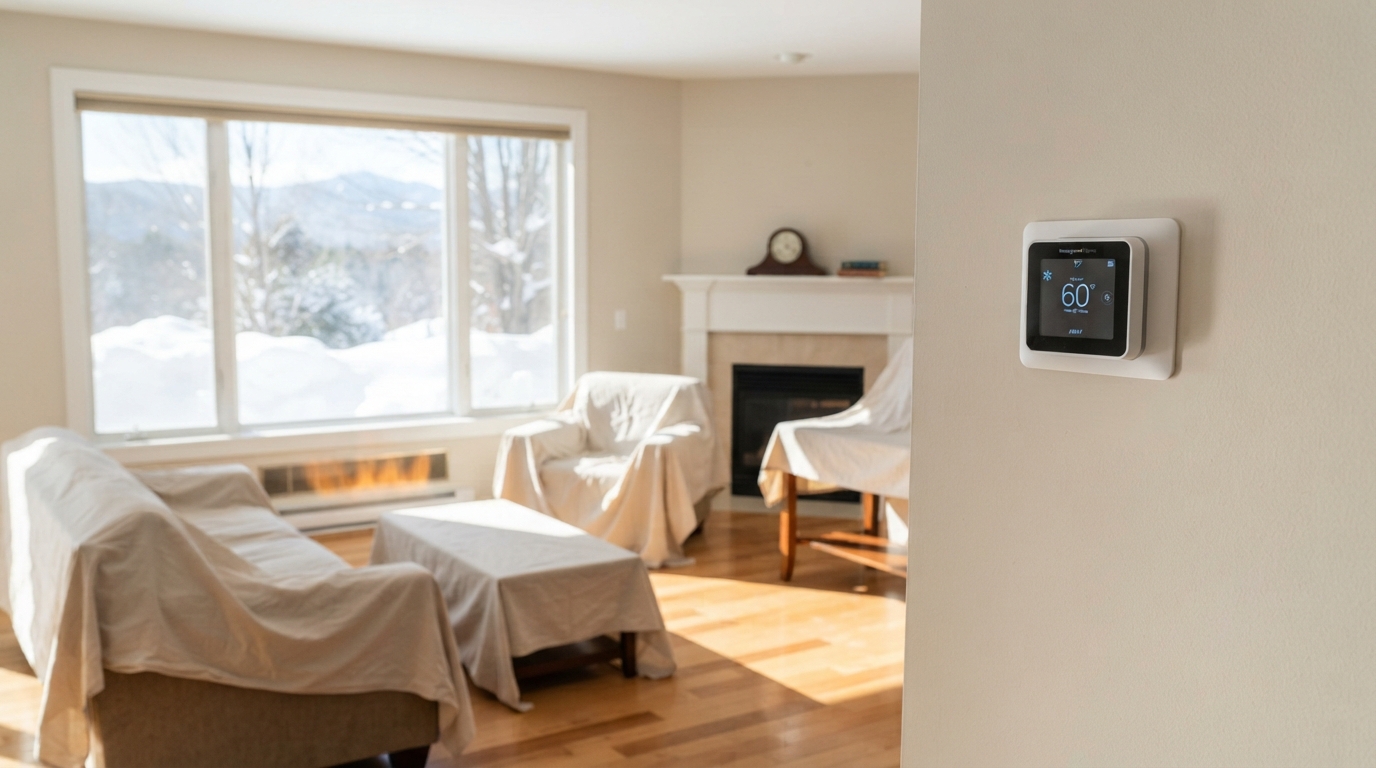
- Temperature Control: It's essential to set your thermostat to a minimum temperature, often around 55°F. This prevents pipe freezing while maintaining an efficient HVAC operation.
- Inspection: Before closing up your home for winter, inspect the entire system, including filters and ductwork. "Change filters regularly," Vila advises. "Dirty filters force your system to work harder, leading to inefficiency and wear and tear."
- Professional Check-Up: Consider scheduling a professional HVAC inspection. Vila recommends this as an essential part of your winter preparation routine, assuring, "A professional can identify potential issues before they become big problems."
Perspective: Energy Star Team - Advocates for Efficiency
The Energy Star team champions energy efficiency and sustainable practices when it comes to HVAC systems. Their insights focus on both maintaining the system and mitigating energy waste during the winter months.
- Smart Thermostats: According to Energy Star, "Installing a programmable thermostat can help you manage temperature settings remotely, reducing energy usage while still safeguarding your home."
- Sealing and Insulation: Properly sealing your home and adding insulation is critical. "Sealing windows and doors can reduce drafts significantly, which boosts energy efficiency and protects against cold spots," they explain.
- Humidity Control: Managing humidity is also vital. "A dehumidifier can help prevent mold growth and the damaging effects of too much moisture while your home is empty," they advise.
Perspective: Jim Collins - Licensed HVAC Contractor
HVAC contractor Jim Collins sheds light on the practical considerations and local laws regarding HVAC systems in vacation properties. His perspective is grounded in what he sees on the job.
- Local Regulations: Collins notes that homeowners should be aware of local regulations about winterizing HVAC systems. "Some municipalities require specific actions to be taken to reduce liability if something goes wrong," he states.
- System Recommendation: He often recommends using a high-efficiency heating system for second homes, stressing that "the initial investment may be higher, but this can save you significant amounts over time, especially in areas that experience severe winters."
- Regular Maintenance Contracts: Collins suggests setting up a regular maintenance contract with an HVAC service provider. "Having someone check on your system periodically, even when you aren't there, ensures that issues are caught quickly and addressed properly."
Editorial Synthesis
Where Experts Agree
- Regular Maintenance is Essential: All three experts emphasize that routine inspections and maintenance reduce risks and costs.
- Temperature Management: Each expert sees the importance of managing temperature to prevent freezing pipes and system breakdowns.
- Professional Assistance: Engaging professionals for check-ups is recommended for peace of mind.
Where Experts Disagree
- Best Type of Thermostat: While Energy Star suggests smart thermostats, Vila argues for traditional settings if homeowners aren't tech-savvy.
- Investment in Systems: Collins promotes high-efficiency systems, while Vila cautions against significant upfront costs for second homes used irregularly.
- Humidity Solutions: The need for a dehumidifier is seen as essential by Energy Star but optional by other experts in dry climates.
Why This Matters
Understanding the unique needs of your HVAC system in a second home is crucial. It goes beyond mere convenience; it encompasses financial and safety considerations. As many homeowners now opt for vacation properties, managing these systems becomes integral to overall home management.
Proper maintenance not only protects your investment but ensures that your retreat remains a place of comfort upon your return. As Bob Vila, the Energy Star team, and Jim Collins suggest, a little planning can save you a lot of headaches—and dollars—down the road.
Consider taking proactive steps before winter sets in. Your home deserves that attention, and you'll thank yourself when you walk back into a cozy, welcoming space come spring.
The Voices
Leaving your HVAC system unprepared for winter can lead to costly repairs and damage. Regular maintenance checks and winterizing steps can safeguard your investment and ensure efficiency when you return.
Regardless of how you use your second home, it's essential to consider the seasonal impacts on your HVAC system. Proper adjustments can save energy and enhance performance, no matter your winter routine.
 Licensed HVAC Contractor
Jim Collins
Leave it Alone
Licensed HVAC Contractor
Jim Collins
Leave it Alone
In some cases, a well-functioning HVAC system doesn’t require intervention during winter months. If your home is built to withstand the cold, leaving the system alone may be a cost-effective choice.
Protect Your Investment: Prioritize HVAC Care
Proactive HVAC maintenance is essential for safeguarding your second home during winter.
References
- Preparing Your Home for Winter Energy Star
- HVAC System Maintenance for Buildings ASHRAE
- Heating and Cooling Systems: Maintenance Tips Consumer Reports