Is your home's air balance putting your family at risk? Negative pressure may be more than a mere inconvenience; it can draw harmful gases back down your water heater's flue, leading to serious health hazards.
Context: Why This Matters Now
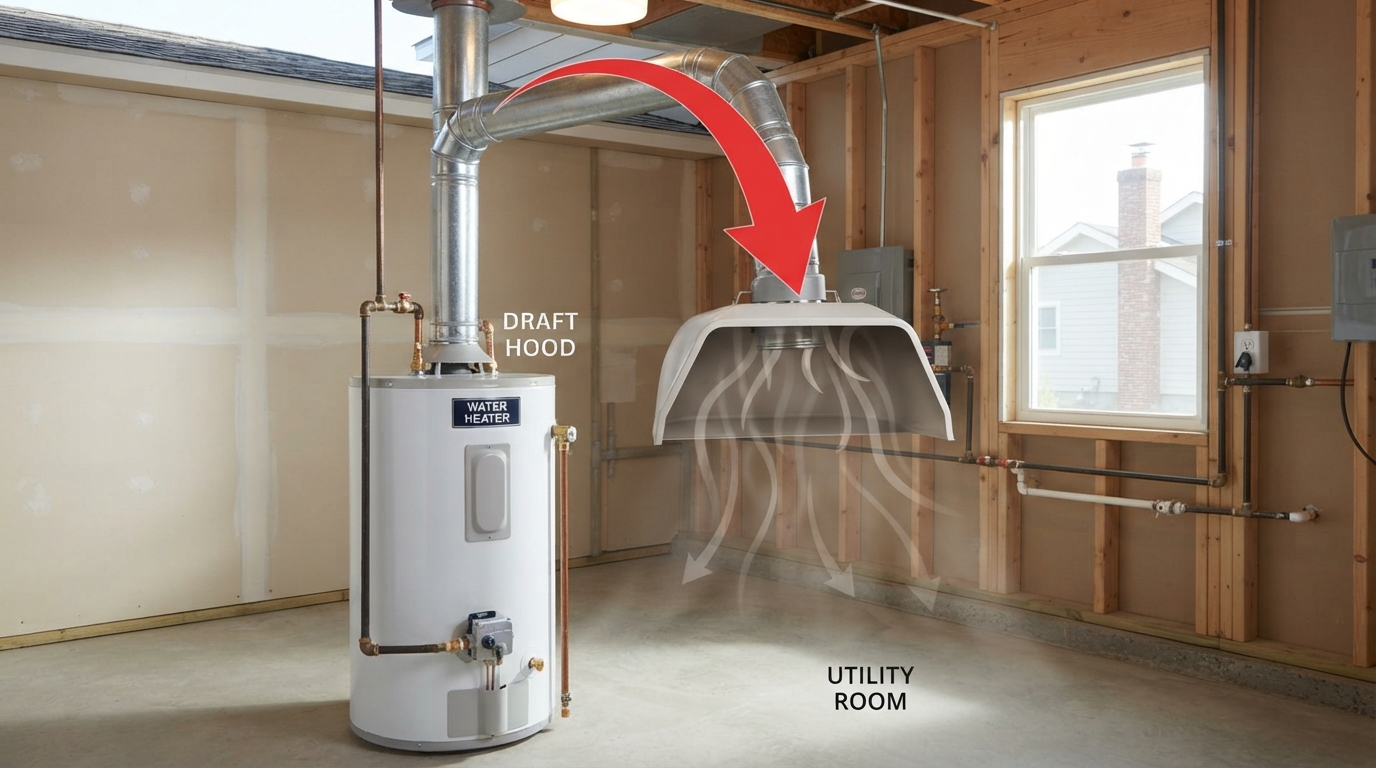
Today's energy-efficient homes are often sealed tight, which can create a vacuum effect that leads to negative pressure. With many homeowners focusing on reducing energy costs, it's crucial to understand the implications this has for indoor air quality and safety. Toxic gases from appliances can backdraft into your living space, leading to dangerous situations if not properly addressed. Understanding negative pressure and how to check for it can empower you as a homeowner to maintain safety and comfort.
Expert Perspectives
Perspective: Michael Bluejay (Energy Analyst)
Michael Bluejay underscores that while energy efficiency is a key goal for many homeowners, it can inadvertently lead to negative pressure situations. "When a house is too airtight, it can create a draw that pulls air — and hazardous gases — back down flues intended to vent them outdoors," he explains. According to Michael, the first step to mitigation is awareness. "Homeowners should regularly check for symptoms of negative pressure, such as doors that become hard to open or smells of exhaust in living areas."
Bluejay recommends using a simple device called a manometer to measure pressure differences in your home. "Investing in a manometer can reveal if your home has negative pressure around appliances like water heaters and can guide further action."
Perspective: Cynthia McGowan (Home Inspector)
As a seasoned home inspector, Cynthia McGowan provides valuable insight into how the physical layout of your house can exacerbate negative pressure issues. "In my inspections, I often find that basements and crawlspaces without proper ventilation become culprits for negative pressure, especially in homes with older water heaters that may not vent properly anymore," she explains.
Cynthia advises homeowners to check for adequate make-up air sources in areas where combustion appliances reside. "A simple air vent or dedicated mechanical ventilation system can counteract the negative pressure," she states. Furthermore, she encourages periodic checks of your water heater's flue system and installation of carbon monoxide detectors as preventative measures.
Perspective: Mark Baker (HVAC Contractor)
Mark Baker dives deeply into the technical aspects of HVAC systems and their relationship with negative pressure. "If your heating and cooling systems are designed or configured incorrectly, they can exacerbate negative pressure, risking backdrafting from gas appliances," Mark warns. He suggests routine maintenance checks for both HVAC systems and water heaters to ensure everything operates efficiently.
"There are simple adjustments that an HVAC technician can make to your system that can alleviate negative pressure while also saving you money on your energy bills," says Mark. He emphasizes the importance of having a professional assess overall system integration, especially in tightly constructed homes.
Editorial Synthesis
Where Experts Agree
- Importance of Awareness: All experts urge homeowners to be aware of negative pressure signs, including difficulty opening doors and strange smells.
- Regular Maintenance: Periodic checks on ventilation systems and water heaters are crucial to ensure safety.
- Community Resource: Homeowners can benefit from collaborating with HVAC professionals and inspectors to create a safer environment.
Where Experts Disagree
- Best Measurement Tools: While Michael recommends using a manometer, Cynthia focuses on visual assessments, and Mark emphasizes guidance from HVAC professionals.
- Mitigation Strategies: Cynthia advocates for simple ventilation adjustments, while Mark suggests comprehensive HVAC reviews for effective long-term solutions.
Why This Matters
Living in a well-sealed home may feel comfortable and efficient, but it's essential to understand the potential dangers that can lurk in poorly ventilated spaces. Negative pressure is more than just a theoretical concept; it affects your health and comfort in tangible ways. By being proactive and informed, you can take the necessary steps to enhance your home's air quality, ensuring a safe environment for you and your family. Making simple checks and establishing proper ventilation not only keeps harmful gases at bay but also increases the longevity of your appliances. The first step to peace of mind is understanding—take the time to assess your home today.
The Voices
 Energy Analyst
Michael Bluejay
Pro Safety
Negative pressure can indeed create unsafe conditions by pulling harmful gases back into a home. Ensuring proper ventilation and air balance is crucial for maintaining safety around water heaters and other combustion appliances.
 Home Inspector
Cynthia McGowan
Neutral Check
While negative pressure can cause issues with gas flues, it's important to assess each home individually. Regular inspections can help identify whether your water heater's venting is compromised due to building pressure dynamics.
 HVAC Contractor
Mark Baker
Pro Awareness
Understanding the negative pressure phenomenon is essential for homeowners to take preventive measures. With proper ventilation design and upgrades, many problems can be avoided, ensuring safety without major remodeling.
Addressing Negative Pressure: A Critical Safety Concern
Addressing negative pressure is essential for ensuring home safety and health.
References
- Negative Pressure: What to Know Energy.gov
- Home Ventilation Basics Energy Star
- Indoor Air Quality ASHRAE