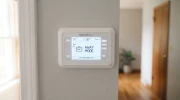
Are eco modes in home appliances just clever marketing, or can they genuinely help us save energy? With rising energy costs and increasing environmental awareness, many homeowners are left wondering if these features are worth the investment or simply a trendy selling point. Let's delve into this debate to uncover the truth.
Why This Matters Now
As homeowners, we're constantly seeking ways to reduce our energy bills and embrace more sustainable living practices. Eco modes—often found in heating, ventilation, air conditioning (HVAC) systems, refrigerators, and washing machines—claim to optimize energy use by adjusting performance based on environmental conditions. With ever-increasing energy prices and the urgent need to combat climate change, understanding whether these modes deliver real savings is more relevant than ever.
Expert Perspectives
Perspective: Eco Modes Deliver Real Savings
Dr. Jane H. Smith, an energy analyst with GreenTech Insights, argues that eco modes are a significant step in promoting energy efficiency. "These features are designed to reduce energy consumption during operation by altering settings to match usage patterns and ambient conditions," she says.
Her research indicates that eco modes can lead to substantial cost savings—many users reclaim up to 20% savings on their energy bills simply by utilizing these features. Dr. Smith further emphasizes that these modes contribute to a larger goal of reducing our carbon footprints, making them not just economically sound choices but also environmentally responsible.
Perspective: Skepticism on Actual Savings
However, Mark Thompson, a seasoned HVAC contractor from Thompson Heating Solutions, maintains a level of skepticism. He points out that while eco modes may be useful, they aren't a catch-all solution. "Sometimes, these modes can lead to extended running times or ineffective heating/cooling cycles that actually use more energy in total," Mark explains. He advises homeowners to install energy-efficient systems in the first place and utilize eco modes as supplements rather than primary energy-saving strategies.
Perspective: Nuanced Benefits and Drawbacks
Building scientist Lisa Chen of EcoSmart Homes takes a balanced view. "Eco modes can be effective, but their efficacy often depends on the specific appliance and local climate conditions," she notes. For instance, an eco mode might lead to energy savings in a well-insulated home but be less efficient in less optimized settings.
"Homeowners should consider personal factors such as their lifestyle, appliance types, and regional climate when deciding how much they rely on these modes," she advises. Lisa argues that eco modes are another tool in a homeowner's toolbox, crucial for extended use but not a standalone solution.
Editorial Synthesis
Where Experts Agree
- Energy Efficiency Potential: All experts acknowledge that eco modes can optimize energy consumption effectively to some degree.
- Importance of Lifestyle: They agree that various homeowner habits and conditions play a significant role in the effectiveness of these modes.
- Environmental Impact: Reducing energy use, regardless of the scale, contributes positively to environmental efforts.
Where Experts Disagree
- Realized Savings: Dr. Smith advocates for the significant savings associated with eco modes, while Mark points to scenarios where these modes might underperform.
- Long-term Effects: Mark believes that eco modes can sometimes lead to inefficiency and extended runtime, while Lisa suggests that it varies by appliance and home conditions.
- Emphasis on Installation: Mark emphasizes that the focus should be on better system installations before relying on eco modes, while Dr. Smith stresses proactive usage of eco features.
Why This Matters
Understanding whether eco modes are a true energy-saving feature or a clever gimmick can help homeowners make informed choices about their appliances and overall home climate strategies. As energy costs climb and environmental challenges escalate, the value of features like eco modes may be more than just a line item on a product label.
In the face of varying expert opinions, homeowners should approach eco modes with a discerning eye but remain open to potential savings. By integrating eco modes effectively, you could contribute to a healthier home climate and a more efficient household, ultimately leading to a more sustainable lifestyle. So, next time you see that eco button, think critically: is it just marketing, or could it help save you money—and the planet?
The Voices
 Energy Analyst, GreenTech Insights
Dr. Jane H. Smith
Pro Eco Modes
Eco modes are not just marketing gimmicks; they can lead to significant savings on energy bills and reduce overall carbon footprints. When used appropriately, these settings enhance the efficiency of HVAC systems and promote more responsible energy use.
 Building Scientist, Home Inspection Services
Mark Thompson
Mixed Feelings
While eco modes can offer benefits in certain scenarios, they aren't a one-size-fits-all solution. Homeowners should evaluate their specific situations and consider professional guidance to ensure optimal efficiency.
 Building Scientist, EcoSmart Homes
Lisa Chen
Caution Recommended
Eco modes often oversell their benefits without addressing the nuanced performance of different systems. In many cases, traditional settings may yield better results than eco modes, depending on the home's specific configuration.
Navigating the Eco Mode Debate: Promising Potential or Overstated Benefits?
Eco modes can deliver savings but may not be universally effective, requiring careful consideration.
References
- Home Energy Savings Energy.gov
- Energy Star Certification for Appliances Energy Star
- Do Energy-Saving Modes on Appliances Work? Consumer Reports