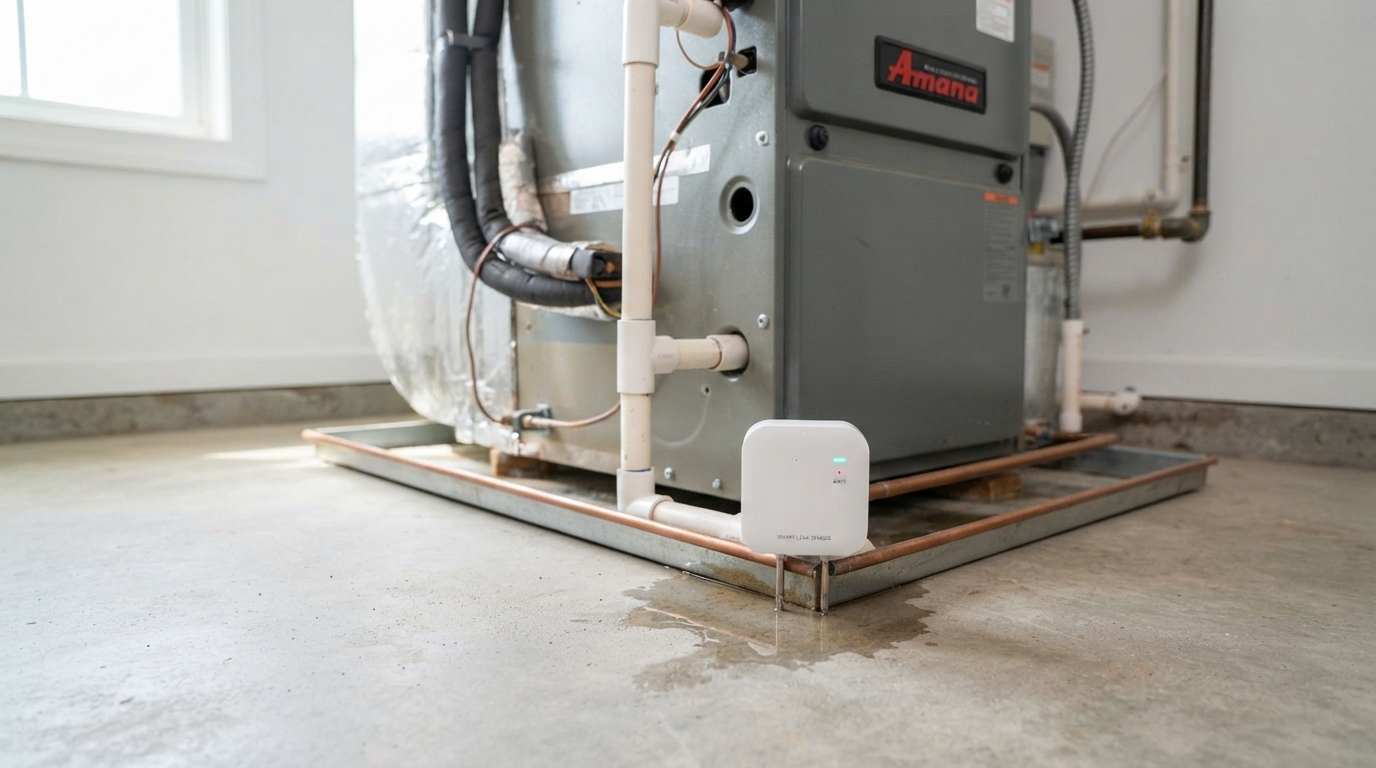
Is installing a smart leak detector near your air conditioning unit a wise choice, or is it an unnecessary expense that won't pay off? With AC systems being critical to home comfort, the implications of a leak can be expensive and disruptive.
As homeowners increasingly prioritize preventive measures, this debate seems ever-relevant. In the face of rising repair costs and energy bills, should we consider this $40 investment as a safeguard?
Context
Just this summer, energy authorities reported a staggering rise in energy use, often leading to increased risk of leaks, especially in older units. Discovering a leak early can prevent major damage, not just to the AC unit itself but also to the surrounding structure of the home. This could mean the difference between a simple repair and a significant financial headache: some repairs can skyrocket to $4,000 or more. With rising repair prices and aging HVAC systems, the prospect of damage from leaks looms larger than ever.
Expert Perspectives
Perspective: Bob Vila, Home Improvement Expert
Bob Vila argues that smart leak detectors are a worthwhile investment, particularly in areas prone to humidity or flooding. "When you can prevent a leak from becoming a major problem, that's money well spent," Vila explains. He emphasizes the convenience and peace of mind these devices offer.
"Most leaks don't just appear overnight; they tend to develop over time. A smart leak detector can alert you early, allowing you to take action long before significant damage occurs."
Moreover, Vila notes the innovative technology behind these devices often ties seamlessly into home automation systems, enabling homeowners to monitor their AC units remotely. This feature not only keeps you informed but can significantly lower the long-term costs associated with neglecting small issues.
Perspective: Tom Silva, General Contractor, This Old House
Tom Silva takes a more cautious approach. While he acknowledges the benefits of modern technology, he cautions against relying solely on gadgets for home maintenance. "A leak detector can help, but regular maintenance and inspections are equally important," he explains. Silva believes that homeowners should not abdicate their responsibility to check their systems regularly.
He suggests that although a leak detector can serve as an added layer of protection, it shouldn't replace traditional preventive measures, such as ensuring your AC unit is serviced regularly by a professional. Silva points out, "It's about balance. Using both technology and your own diligence is key. Don't put all your faith in a device."
Perspective: Alec Paggie, Energy Analyst
Alec Paggie offers an analytical lens, emphasizing the importance of data-driven decisions. "From an energy efficiency standpoint, installing leak detectors can identify not only leaks but also improve the overall efficiency of your cooling system," Paggie notes. He explains how undetected leaks can lead to increased energy consumption, further driving up your costs.
"There's a ripple effect; if your AC unit is under strain, not only are you facing repair bills later on, but you're also likely to see increases in your utility bills." Paggie concludes that smart leak detectors are not just preventative tools but can also contribute to long-term savings by optimizing energy use.
Editorial Synthesis
Where Experts Agree
- Early Detection: All experts recognize the importance of catching leaks early to prevent more extensive damage.
- Preventive Maintenance: Each expert highlights the effectiveness of regular maintenance for AC systems.
- Cost-Effectiveness: Vila and Paggie especially underscore that a $40 investment in a detector can save you from thousands in future repairs.
Where Experts Disagree
- Reliance on Technology: Vila views the detectors as essential, while Silva emphasizes traditional maintenance.
- Role of Homeowners: Silva suggests homeowners remain diligent, while Vila sees technology as a way to enhance that diligence.
- Calculation of Risk: Paggie focuses on energy savings as an argument for detectors, whereas Silva considers practical household management.
Why This Matters
So, should you invest in a smart leak detector for your AC unit? The opinions of experts like Bob Vila, Tom Silva, and Alec Paggie present valid points on both sides. The consensus leans toward the idea that while smart leak detectors are beneficial, they should complement rather than replace regular maintenance and inspections.
As the cost of HVAC repairs continues to rise, an initial investment in a leak detector may very well save you from a larger problem down the line. In a world where smart home technology is becoming increasingly commonplace, this $40 gadget doesn't seem like such an overkill after all. It may just be the addition your home needs to save you from a potentially catastrophic and costly mistake.
Armed with the insights from these seasoned professionals, you are now better equipped to make an informed decision about protecting your home.
The Voices
Smart leak detectors are a small price to pay for peace of mind. Preventing water damage, especially near expensive systems like AC units, can save homeowners thousands in repairs.
 General Contractor, This Old House
Tom Silva
Cautious Approach
While smart leak detectors offer benefits, they should complement, not replace, regular maintenance and inspection. A balanced approach is essential for protecting your investment.
Smart Leak Detectors: An Essential Investment
Smart leak detectors offer a cost-effective solution to prevent potentially devastating water damage.
References
- Energy Saver Guide: Tips on Saving Money and Energy at Home Energy.gov
- HVAC Systems Energy Star
- How to Prevent Water Damage from Air Conditioners Consumer Reports