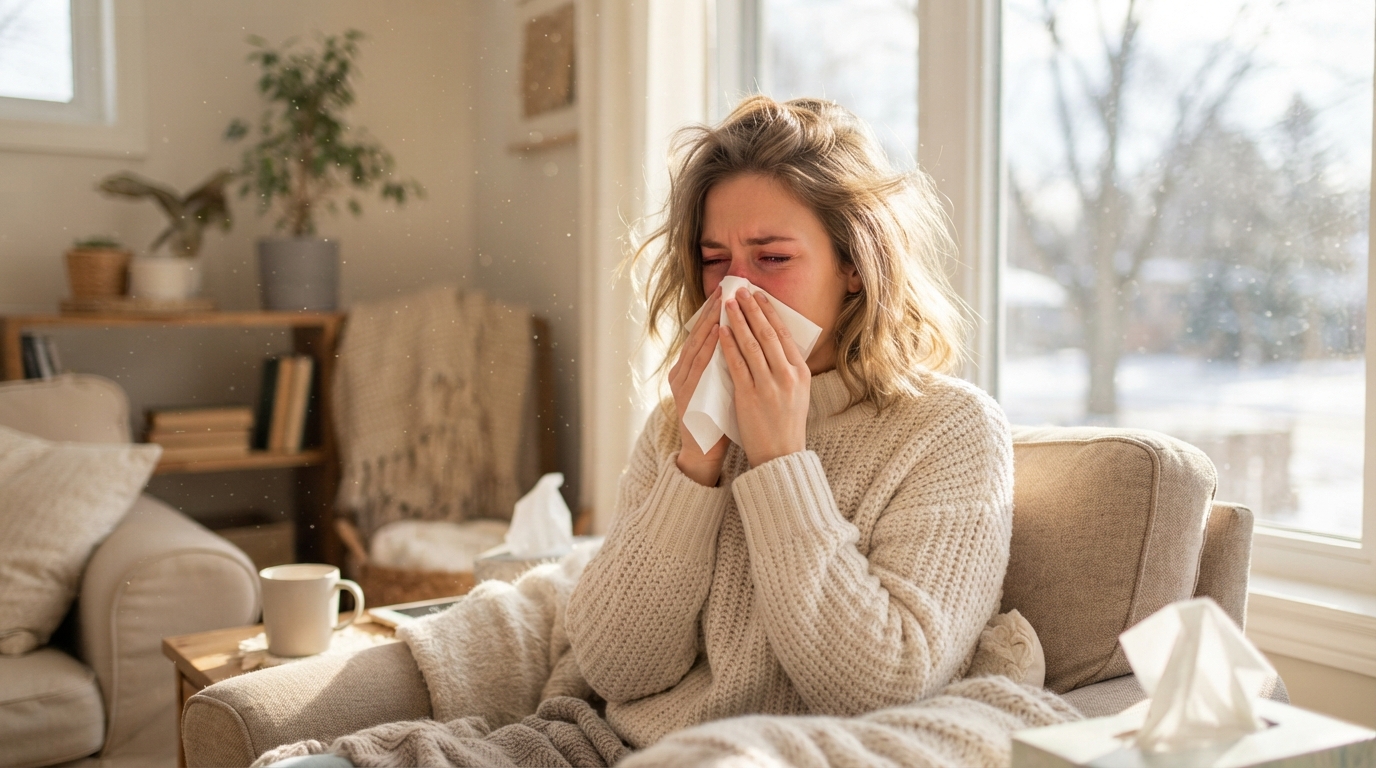
As winter settles in, you might find yourself sneezing more at home than you did during the spring. Have you ever wondered why allergies can feel magnified indoors during the colder months? With the shift in seasons comes a unique set of challenges for allergy sufferers, and understanding this phenomenon can make a world of difference.
Why This Matters Now
As we spend more time indoors during the winter months, the quality of the air within our homes becomes crucial to our well-being. This is particularly relevant amid concerns about indoor air pollution, which can exacerbate asthma and allergy symptoms. With cold weather prompting us to close windows and crank up the heating, the air stagnates, allowing allergens to build up in our living spaces. When spring finally arrives, many of us assume the outdoors will feel fresher and clearer than our confined indoor environments.
Perspective: Dr. John McKeon (CEO, Allergy Standards Ltd.)
Dr. John McKeon emphasizes that indoor pollutants often increase during winter. "People think it's the outdoor allergens that cause problems this time of year, but your home can trap indoor pollutants, such as dust mites, mold spores, and even pet dander. When windows are closed, these allergens remain stagnant."
The Role of Heating
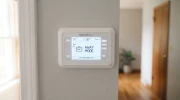
Heating systems can recirculate allergens if not cleaned properly. "If your HVAC system hasn't had a service recently, you're likely blowing allergens around your home," he warns. Dr. McKeon advises scheduling regular inspections to optimize indoor air quality. Using air purifiers with HEPA filters can also create a cleaner indoor environment.
Perspective: Mike Holmes (Contractor, Holmes on Homes)
Mike Holmes, renowned for his expertise in home renovations, notes that winter is a challenging time for homeowners. "Many people underestimate how poor insulation can keep humidity trapped in their homes, leading to mold growth. Mold thrives in damp conditions, and when the heating kicks in, it can release spores into the air."
Importance of Maintenance
He suggests that homeowners should focus on seasonal home maintenance. "Simple tasks, like cleaning your gutters or changing furnace filters, can tremendously impact your indoor air quality," Holmes states. He insists that maintaining the home effectively can help alleviate allergy symptoms during these months.
Perspective: Dr. Richard Shaughnessy (Director, Indoor Air Quality Research Institute)
Dr. Shaughnessy digs deeper into the science of indoor air quality. He states, "In winter, people often ramp up their use of candles, wood stoves, and other combustion appliances, which can introduce additional allergens and pollutants into the air."
Ventilation Challenges
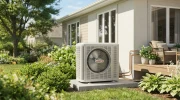
"Inadequate ventilation leads to a buildup of these indoor pollutants. In fact, indoor air can be two to five times more polluted than outdoor air, especially in tightly sealed homes that prevent the exchange of fresh air," he cautions. Dr. Shaughnessy advocates for proper ventilation systems to ensure that the air you breathe indoors is as fresh as possible.
Editorial Synthesis
Where Experts Agree
- Indoor Pollutants: Dr. McKeon, Holmes, and Dr. Shaughnessy all agree that indoor allergens can significantly affect health, often more than outdoor allergens during colder months.
- Importance of Maintenance: Regular maintenance of homes—such as cleaning HVAC systems and ensuring proper ventilation—is crucial for improving indoor air quality.
- Seasonal Impact: Colder months pose unique challenges for indoor air quality, often leading to stronger allergy symptoms.
Where Experts Disagree
- Specific Sources of Allergens: While all agree indoor pollutants play a role, they differ in pinpointing the primary sources—McKeon emphasizes dust and dander, while Holmes highlights mold issues due to poor insulation, and Shaughnessy focuses on indoor pollutants from combustion appliances.
- Solutions: There's a divergence in suggested solutions. McKeon advocates for air purification, whereas Holmes stresses home maintenance, and Shaughnessy emphasizes the need for improved ventilation systems.
Why This Matters
Understanding why indoor allergies can feel worse during winter is essential for anyone wishing to maintain a comfortable and healthy home environment. With an array of potential allergens lurking within our four walls, taking proactive measures can make a significant impact. Regular inspections, mindful heating practices, and effective maintenance strategies can pave the way for a safer living space.
For homeowners, this knowledge empowers you to create a sanctuary amidst the cold. Remember, as the seasons shift, so too do our needs regarding home climate and air quality. By heeding expert advice and prioritizing our indoor environments, we can face winter with less anxiety about allergies and breathe easier knowing our homes are havens of health.
In the end, being aware of how our indoor environments influence allergies can help us navigate the colder months with greater ease, making home feel like a refuge, not a source of discomfort.
The Voices
 CEO, Allergy Standards Ltd.
Dr. John McKeon
Pro Indoor Quality
Indoor environments can trap allergens like dust mites and mold, particularly in winter when humidity levels drop, exacerbating allergy symptoms. It's essential to maintain good air quality indoors to minimize these risks.
 Contractor, TV Host, Building Inspector
Mike Holmes
Balanced Perspective
While outdoor allergens like pollen are decreased in winter, indoor air quality issues can dominate. Proper ventilation and maintenance are critical to ensuring homeowners understand and manage their indoor environments effectively.
 Director, Indoor Air Quality Research Institute
Dr. Richard Shaughnessy
Pro Fresh Air
In winter, homes can become sealed tightly, which traps allergens and pollutants inside. Fresh air exchange through proper HVAC systems can greatly improve indoor air quality, reducing allergy symptoms when compared to spring's outdoor pollen influx.
Air Quality Affects Winter Allergies
Indoor air quality is crucial for managing winter allergies.
References
- Improving Indoor Air Quality Energy.gov
- Indoor Air Quality: A Guide for Building Owners and Managers ASHRAE
- How to Improve Indoor Air Quality Consumer Reports