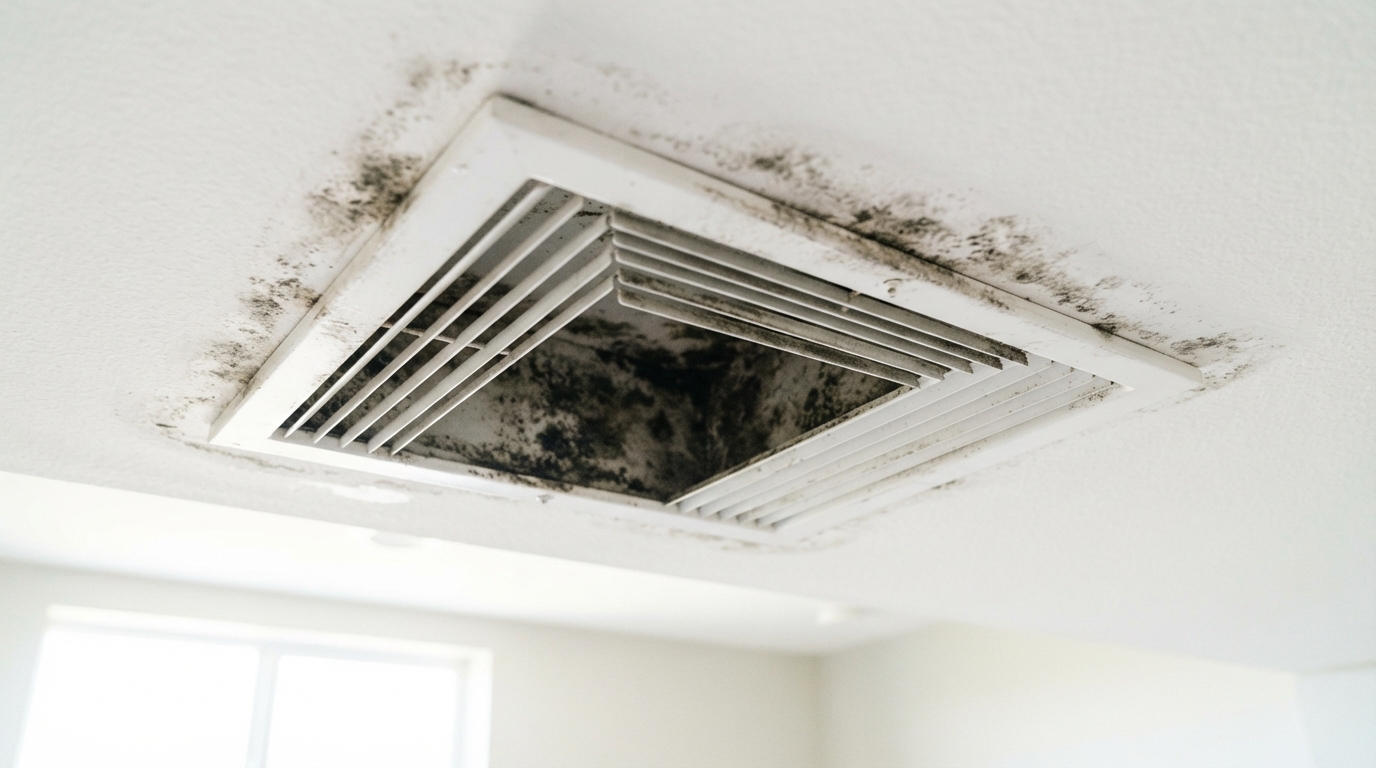
Have you ever noticed a musty smell coming from your vents? If so, you're not alone. Many homeowners shrug it off, thinking it's just a normal part of home climate. But what if that odor is a sign of something more serious?
Why This Matters Now
With homes becoming increasingly energy-efficient, indoor air quality plays a critical role in our overall well-being. A musty smell can indicate issues like mold, mildew, or proper ventilation problems, which can affect both your health and the structural integrity of your home. Knowing what this odor means can save you time, money, and a lot of stress.
Expert Perspectives on the Issue
Perspective: Joe Sweeney, HVAC Technician
Joe Sweeney emphasizes that a musty smell from your HVAC system often indicates the presence of moisture in places it shouldn't be, which can lead to problems.
- Moisture Issues: "When you smell mustiness, it usually means there's excess moisture in the ducts, and that can lead to mold growth. Mold spores can spread throughout your home and impact indoor air quality."
- Importance of Maintenance: "Regular maintenance is crucial. A stagnant HVAC system can create ideal conditions for mold and mildew."
- Immediate Action: "Don't ignore it! A thorough cleaning and inspection can pinpoint issues before they escalate into costly repairs."
Perspective: Linda Cortez, Home Inspector
Linda Cortez, who specializes in home inspections, points out that identifying the source of the smell is crucial for every homeowner.
- Inspecting for Water Damage: "Check your home for any signs of water damage. This includes attic spaces, basements, and around windows. Even a small leak can create dank environments that lead to musty smells."
- Ventilation Matters: "Proper ventilation is key. A tightly sealed home can lead to moisture buildup, so ensure your attic and bathroom fans are functioning correctly."
- Air Quality Tests: "Conducting indoor air quality tests can identify hidden mold or contaminants that might be causing odors."
Perspective: Dr. Emily Chan, Building Scientist
Dr. Emily Chan provides a scientific lens on the health implications linked to musty air.
- Health Risks: "Prolonged exposure to mold and mildew can trigger allergies, asthma, or other respiratory issues. Understanding the risks is vital for the health of your family."
- The Role of HVAC Systems: "HVAC systems can both resolve and exacerbate humidity issues. An efficient system should remove excess moisture, but if not properly maintained, it can distribute harmful particles throughout the home."
- Future Implications: "Ignoring a musty smell can lead to severe structural problems in your home, which can be exponentially more expensive to repair than early detection."
Editorial Synthesis
Where Experts Agree
- A musty smell from vents is not a normal occurrence and can indicate underlying issues.
- Moisture control is crucial for maintaining indoor air quality.
- Regular maintenance and inspections of HVAC systems can prevent future problems.
Where Experts Disagree
- Some experts focus more on immediate health risks associated with mold, while others emphasize structural integrity issues.
- Opinions vary on how frequently homeowners should inspect their systems for moisture and musty smells.
Why This Matters
Ignoring the telltale musty smell can have serious consequences, not just for your health but for the longevity of your home. With the current emphasis on energy efficiency in homes, less ventilation can lead to increased moisture levels, making it easier for mold to take hold. Joe Sweeney, Linda Cortez, and Dr. Emily Chan all confirm that addressing these smells promptly and effectively is crucial. Investing in regular maintenance, conducting necessary inspections, and understanding the potential implications can save you from costly repairs and health issues down the line.
Don't let a simple odor turn into a major problem; take action today to ensure a safe, healthy, and comfortable environment in your home.
The Voices
 HVAC Technician
Joe Sweeney
Pro Indoor Air Quality
HVAC Technician
Joe Sweeney
Pro Indoor Air Quality
Musty smells from your vents indicate underlying moisture issues and possible mold growth, which can negatively impact your health. Ignoring these odors can lead to bigger, costlier problems down the line.
 Building Scientist
Dr. Emily Chan
Pro Health Awareness
Building Scientist
Dr. Emily Chan
Pro Health Awareness
A musty smell isn't just unpleasant—it's a crucial warning sign of moisture and mold that can significantly affect indoor air quality and residents' health. Proactive measures are essential to address these concerns.
Don't Ignore Musty Vents: An Urgent Call to Action
Musty smells from vents signal significant issues; act swiftly to safeguard your health and home.
References
- Improving Indoor Air Quality Energy.gov
- What to Do About Indoor Air Quality Energy Star
- The Role of Indoor Air Quality in Health ASHRAE