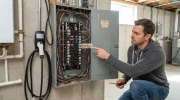
Is your charming vintage home feeling less cozy and more stuffy? The need for efficient climate control has never been more pressing. As homeowners grapple with energy costs and climate change, more are discovering the benefits of mini-split systems, especially in older houses. Can these sleek, ductless units really deliver the comfort and efficiency we need?
Why This Matters Now
In an era where energy conservation is paramount, traditional heating and cooling methods may fall short, especially in homes without ductwork. Approximately 54% of homeowners consider energy efficiency a primary renovation goal, according to a recent survey. As urban centers grow and climate issues take center stage, more are looking for innovative solutions that preserve the character of older homes while enhancing comfort. Mini-splits are making waves as a viable option—and for good reason.
Perspective: Bob Vila
Bob Vila, the beloved TV host and home improvement expert, points out that mini-splits can be a transformative solution for houses lacking duct systems.
"Mini-splits are wonderfully versatile," Vila states. "They not only cool in the summer but heat in the winter. This is crucial for homeowners in regions with extreme weather."
Vila emphasizes the installation flexibility of mini-splits. "Since they're ductless, you can install them in almost any room, expanding comfort to parts of the home that previously suffered from temperature inconsistencies." He notes that a well-placed mini-split can make all the difference in older homes, often designed without consideration for modern climate control needs.
Perspective: Emily Peal
Emily Peal, an energy analyst and sustainable building consultant, highlights the economic and ecological advantages of mini-splits.
"From an energy savings standpoint, mini-splits are incredible," says Peal. "They operate on electricity rather than gas, are highly efficient, and can significantly reduce energy bills."
According to Peal, these systems often have a higher SEER (Seasonal Energy Efficiency Ratio) rating than traditional HVAC systems, often achieving 20 or more. "This efficiency is essential for homeowners looking to reduce their carbon footprint," she explains. Peal underscores how integration with renewable energy sources, such as solar panels, gives mini-splits an edge in sustainable ventilation.
Perspective: Mike Holmes
Mike Holmes, a contractor and TV host, adds a practical perspective on the installation and maintenance aspects.
"Often, homeowners worry about the aesthetics," explains Holmes. "But with the right placement and design, mini-splits can be elegant and unobtrusive."
Holmes notes that while the initial cost may seem steep—averaging between $3,000 and $5,000 for a full system including installation—the long-term benefits far outweigh this initial expenditure. "It's an investment in your home's comfort and efficiency," he remarks, stressing the importance of professional installation to ensure optimal performance.
Editorial Synthesis
Where Experts Agree
- Versatility: All three experts agree that mini-splits offer unique flexibility for installation compared to traditional systems, especially in homes without ductwork.
- Energy Efficiency: They share a consensus that mini-splits provide significant energy savings and enhance sustainability.
- Aesthetic Integration: The experts acknowledge that, with proper placement, mini-splits can blend well into the design of older structures.
Where Experts Disagree
- Initial Costs: While Vila embraces the value of mini-splits as a long-term investment, Holmes emphasizes the importance of maintaining a budget during installation.
- Comfort Versus Efficacy: Peal believes mini-splits are best when integrated with other efficiency measures, while Vila focuses more on their standalone benefits.
Why This Matters
As homeowners increasingly confront issues of climate change and energy efficiency, it's crucial to consider all available options for improving home comfort. Mini-splits stand out not just for their efficiency and versatility but also as a way to respect the character of older homes. By exploring alternatives to traditional HVAC systems, you can make informed choices that both prioritize personal comfort and contribute to a broader sustainability effort.
In conclusion, the blend of comfort, efficiency, and aesthetic appeal makes mini-split systems an attractive choice for aging homes. With the input of seasoned experts like Bob Vila, Emily Peal, and Mike Holmes, you'll find that modern technology can harmoniously integrate with historic charm. The future is knocking at your door—are you ready to let it in?
The Voices
Vila advocates for the adoption of mini-split systems in older homes, citing their energy efficiency and ease of installation in spaces without existing ductwork. He believes these systems can significantly enhance comfort while reducing energy bills.
 Energy Analyst, Sustainable Building Consultant
Emily Peal
Cautious Adoption
Energy Analyst, Sustainable Building Consultant
Emily Peal
Cautious Adoption
Peal supports the use of mini-splits but emphasizes the importance of proper insulation and structural assessments before implementation. She advocates for a balanced approach, ensuring homeowners understand the full implications of the transition.
 Contractor, TV Host, Building Inspector
Mike Holmes
Pro Energy Solutions
Contractor, TV Host, Building Inspector
Mike Holmes
Pro Energy Solutions
Holmes advocates for mini-split systems as practical energy solutions for older homes, highlighting their flexibility and effectiveness in temperate climates. He believes these systems represent a modern approach to home heating and cooling that can suit diverse needs.
Embracing the Future of Home Comfort
Mini-splits are a smart upgrade for older homes, merging comfort and efficiency.
References
- Ductless Mini-Split Heat Pumps U.S. Department of Energy
- Ductless Mini-Split Heat Pump | ENERGY STAR ENERGY STAR
- Mini-Split Systems for HVAC Applications American Society of Heating, Refrigerating and Air-Conditioning Engineers (ASHRAE)