Are you aware that new HVAC efficiency standards are on the horizon for 2027? Homeowners across the country are facing a significant shift that could impact their comfort, energy bills, and the overall climate footprint of their homes. With such a change looming, it's essential to understand what these new standards entail and how they will affect you.
Why This Matters Now
As energy costs soar and climate awareness grows, governmental bodies are implementing stricter regulations to enhance energy efficiency in home heating and cooling systems. These upcoming standards promise to improve the efficiency of HVAC systems significantly, which can lead to lower utility bills and a reduced environmental impact. The question is: how prepared are you, and what should you expect?
Expert Perspectives
Perspective: David D. Duran, HVAC Technician, Owner of Duran HVAC
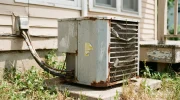
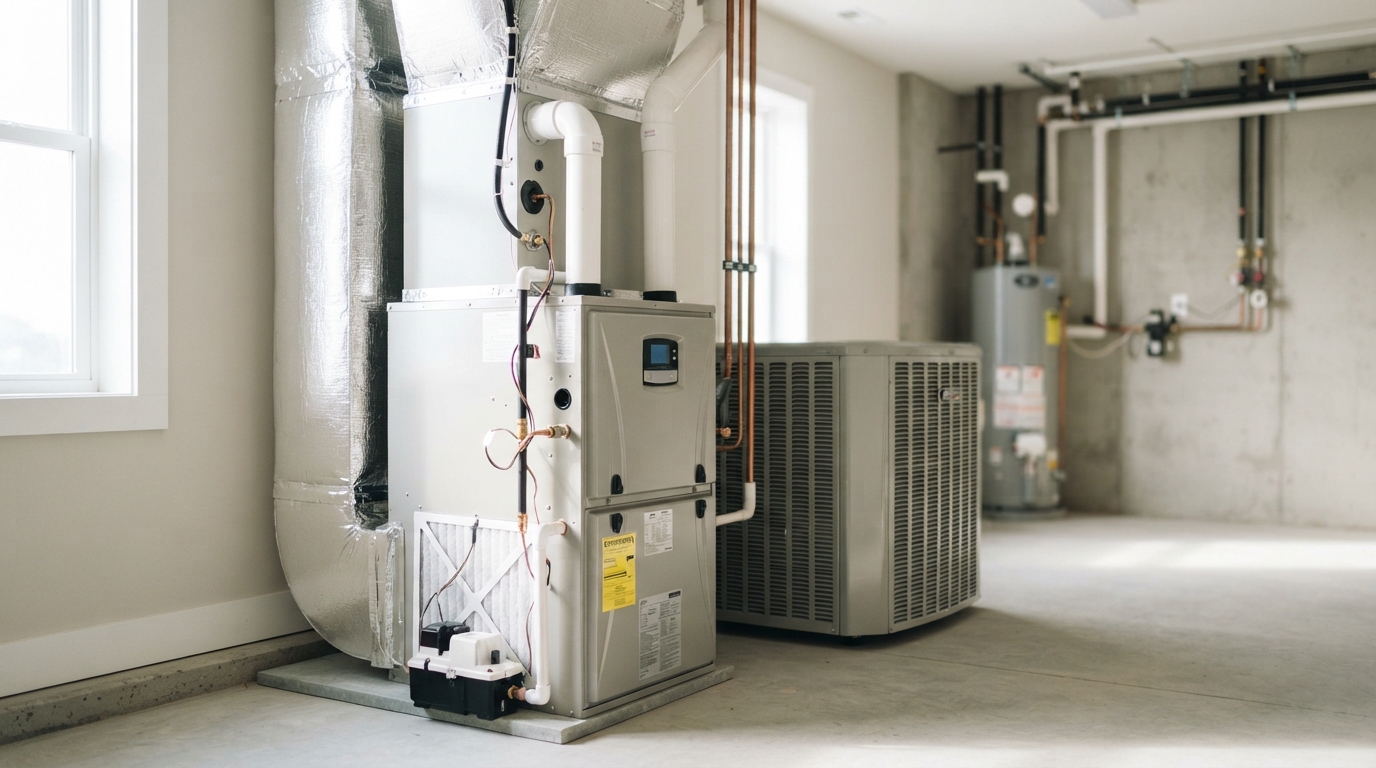
"The new standards mean that homeowners will need to familiarize themselves with the efficiency ratings of their HVAC systems. The minimum SEER (Seasonal Energy Efficiency Ratio) for air conditioners will increase, which means that older, less efficient units may not meet the new criteria. If your system is more than ten years old, you might need to consider an upgrade. This change pushes us toward getting better, more efficient systems into homes," says David D. Duran.
Perspective: Emily R. Henson, Energy Analyst, Senior Researcher at EnergyStar
"From an energy efficiency perspective, these standards are a positive step. Enhanced efficiency not only lowers energy consumption but also contributes positively to national energy goals. The expected increase in efficiency ratings will help to mitigate future energy demands, making it essential for homeowners to stay informed about their HVAC options before the standards take effect," explains Emily R. Henson.
Perspective: Mark L. Reyes, Building Scientist, Principal at Reyes Consulting
"While increased efficiency is crucial, there needs to be a balanced approach. It's not just about replacing old units; homeowners should also consider the overall performance of their homes. Improved insulation, air sealing, and proper system sizing will all be essential. If homeowners only focus on the HVAC unit itself, they may not realize the full benefits of these new standards," notes Mark L. Reyes.
Editorial Synthesis
Where Experts Agree
- Increased efficiency standards are necessary for environmental and energy-saving reasons.
- Homeowners with older HVAC systems will likely need replacements to meet new standards.
- Comprehensive home performance improvements, including insulation and air sealing, are essential for maximizing benefits.
Where Experts Disagree
- There is a debate about how soon homeowners need to act to align with the 2027 standards; some experts advise immediate action, while others recommend waiting.
- Opinions vary on whether the financial investments in new systems will be worth it in the long run; some emphasize short-term costs versus long-term savings.
Why This Matters
The 2027 HVAC efficiency standards are set to reshape how we think about heating and cooling in our homes. As highlighted by our experts, it's not merely about replacing aging units; it's a call for homeowners to proactively assess their entire home's efficiency. Those who wait may find themselves navigating a more complex and costly transition, while early adopters could benefit from rebates or incentives.
Staying informed today means being better prepared tomorrow. Don't let the 2027 standards take you by surprise—start a conversation with your HVAC technician now, assess your home's efficiency, and make the necessary changes to ensure you're ready for these upcoming shifts. After all, a better home climate isn't just a luxury; it's fast becoming a necessity.
The Voices
 HVAC Technician, Owner of Duran HVAC
David D. Duran
Pro Efficiency Standards
HVAC Technician, Owner of Duran HVAC
David D. Duran
Pro Efficiency Standards
The 2027 HVAC Efficiency Standards will push the industry towards supporting greener technologies which ultimately lowers energy costs for homeowners. These regulations are essential for reducing environmental impact while enhancing system performance.
 Energy Analyst, Senior Researcher at EnergyStar
Emily R. Henson
Neutral Advocate
Energy Analyst, Senior Researcher at EnergyStar
Emily R. Henson
Neutral Advocate
While the new HVAC standards are a positive step, their implementation must be carefully managed to avoid overwhelming homeowners and contractors. The transition should emphasize education to facilitate understanding and acceptance of these changes.
 Building Scientist, Principal at Reyes Consulting
Mark L. Reyes
Support for Change
Building Scientist, Principal at Reyes Consulting
Mark L. Reyes
Support for Change
I believe the 2027 HVAC Efficiency Standards are critical for pushing the industry towards much-needed advancements. These changes not only improve the efficiency of HVAC systems but also contribute to a healthier living environment and lower utility bills for homeowners.
AirHome's Take on the 2027 HVAC Efficiency Standards
The changes pave the way for improved efficiency and savings, though preparation is essential.
References
- Energy Efficiency Standards U.S. Department of Energy
- What Are the New HVAC Efficiency Standards? ENERGY STAR
- ASHRAE Standard 90.1-2019: Energy Standard for Buildings Except Low-Rise Residential Buildings American Society of Heating, Refrigerating and Air-Conditioning Engineers (ASHRAE)