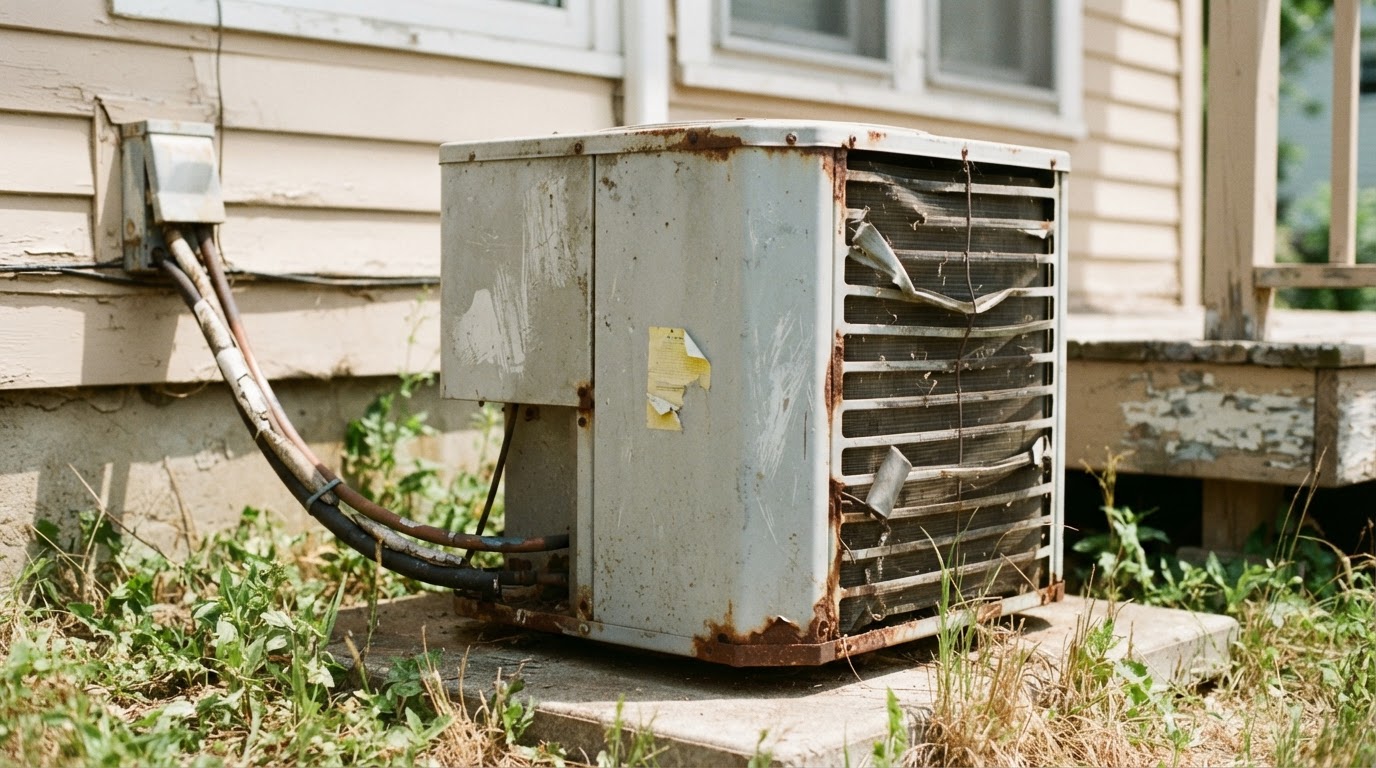
As summer temperatures soar, many homeowners find themselves faced with a tough question: Is it time to replace that aging air conditioning unit, or can it hold out for just one more year? This dilemma can have significant implications not only for comfort but also for your wallet.
Why This Matters Now
With climate change leading to longer and more intense heatwaves across the country, having a reliable air conditioning system is becoming increasingly critical. Homeowners must consider not just the upfront costs of a new unit but also the long-term implications of waiting. According to the Department of Energy, approximately 12% of a household's energy expenses go toward cooling, which means inefficiencies can add up quickly, leading to higher monthly bills and unexpected repair costs that might spring up out of nowhere.
In this article, we've gathered insights from three experts: HVAC Technician John Shillington, Energy Analyst Sarah Goldstein, and HVAC Contractor Mike Thompson to explore the real costs of waiting to replace your AC.
Expert Perspectives
Perspective: In Favor of Replacement Now
John Shillington (HVAC Technician) argues that the costs of delaying an AC replacement can often outweigh the perceived savings of keeping the old unit for another year. "Older AC units can be incredibly inefficient, using up to 30% more electricity than newer models. The longer you wait, the more you might end up spending in energy bills," he explains.
Additionally, he notes that the risk of breakdown increases with age, and repairs can often be just as costly as purchasing a new unit. "Imagine needing to replace a compressor in your current unit halfway through a scorching summer. That stress isn't something anyone wants to deal with."
Mike Thompson (HVAC Contractor) emphasizes the point further. "Investing in a new unit means not only better efficiency but also better technology. Modern systems often come with features like programmable thermostats that can optimize your energy consumption, helping you save even more over time. Plus, many states offer incentives or rebates for upgrading your unit, making it financially worthwhile to consider a replacement sooner rather than later."
Perspective: Let's Wait Another Year
On the other side of the debate, Sarah Goldstein (Energy Analyst) takes a more measured approach. "Deciding to wait a year can be a rational choice, particularly if your current system isn't experiencing major issues. Newer models can be a substantial investment, and it's important to do the math. If your air conditioning unit is still working reasonably well and your energy bills are manageable, you might be better off saving that money for a future replacement when you're able to invest in a high-efficiency model."
Goldstein also points out that fluctuating market prices can impact the cost of new units. "What if the model you're eyeing drops in price next year? One more year of saving could mean you have the budget for a better unit or additional upgrades in your home."
Editorial Synthesis
Where Experts Agree
- Energy efficiency: All experts agree that newer models tend to be much more energy-efficient than older units.
- Deal with sudden breakdowns: There's universal concern about the risk of sudden failures with older units, especially during peak usage times.
- Economic factors: Whether it's about current repair costs or future savings, all perspectives recognize that the decision is ultimately rooted in economic considerations.
Where Experts Disagree
- Timing for replacement: While some emphasize immediate replacement, others suggest it's worth waiting depending on the condition of the current unit.
- Investment returns: Opinions vary on whether the savings from new technologies can justify the expense of a premature replacement.
- Market variability: Timing for the best pricing on new models remains a point of contention among the experts.
Why This Matters
In today's climate, a functioning and efficient air conditioning unit isn't just a luxury—it's often a necessity. If your current AC is on its last legs, the costs of waiting could significantly impact your comfort and finances over time. High energy bills, unexpected repair costs, and the general stress of dealing with an unreliable unit are all factors to weigh.
Ultimately, whether you choose to replace your AC now or wait another year, it's crucial to evaluate the specific needs of your home and budget. Engage with local HVAC professionals and conduct a thorough analysis of your existing unit's performance. As John Shillington wisely notes, "You don't want to find yourself in a position where you're making a last-minute decision during a heatwave. Take action before you urgently need to."
In summary, the decision about replacing your air conditioning unit can have lasting financial and comfort implications, making it essential for homeowners to make informed choices based on their unique circumstances. Consider all angles, consult with experts, and plan accordingly for the warm months ahead.
The Voices
 HVAC Technician
John Shillington
Pro Replacement
HVAC Technician
John Shillington
Pro Replacement
Waiting another year to replace your AC can lead to increased energy bills and repairs that add up quickly. Older units often work inefficiently, costing homeowners more in the long run.
 Energy Analyst
Sarah Goldstein
Balanced View
Energy Analyst
Sarah Goldstein
Balanced View
While it's tempting to delay a replacement, it's crucial to analyze the specific needs of your system and the potential cost implications. Each situation may present unique factors that influence the decision.
 HVAC Contractor
Mike Thompson
Delay Caution
HVAC Contractor
Mike Thompson
Delay Caution
Sometimes, waiting an additional year can allow homeowners to save for a better unit and can coincide with seasonal discounts, making the investment more manageable without rushing into a decision.
The Cost of Delay: Why Replacing Your AC Now is Worth It
Replacing your AC now is a smart financial decision.
References
- Energy Saver Guide: Tips on Saving Money and Energy at Home U.S. Department of Energy
- HVAC System: What to Consider When Replacing an AC Unit Energy Star
- ASHRAE Position Document on the Design and Operation of HVAC Systems American Society of Heating, Refrigerating and Air-Conditioning Engineers (ASHRAE)