In an era where energy efficiency is more important than ever—both for our wallets and the planet—is the popular adage of 'set it and forget it' for thermostats truly a sound strategy? Or does it lead to unintended costs that outweigh the simplicity?
Why This Matters Now
As utility bills rise and environmental concerns grow, homeowners are constantly seeking smarter ways to manage their living spaces. Recent studies reveal that heating and cooling contribute to nearly 48% of a home's energy use. With potential savings on energy bills being a significant concern for millions, determining the best approach to thermostat management is essential.
Perspective: Megan W. Whelan (Energy Analyst)
Megan W. Whelan argues that while the 'set it and forget it' approach may seem convenient, it often results in higher energy consumption than desired. She notes, "When you set a thermostat to a constant temperature, you're running your HVAC system continuously. This can lead to wasted energy, especially if no one is home or if conditions change throughout the day."
Whelan recommends a more dynamic approach:
- Adjust temperature settings according to your schedule. For instance, during the day, you can raise the temperature by a few degrees in the summer or lower it in winter when everyone is out.
- Use programmable thermostats, which can automatically adjust settings based on your routine.
Perspective: Tommy Lee (HVAC Contractor)
From the perspective of an HVAC contractor, Tommy Lee offers a more technical view. He acknowledges that the conventional wisdom of constant settings could lead to discomfort and inefficiency. According to him, "The HVAC systems are often working harder than they need to when set to a static temperature, causing wear and tear, and ultimately leading to higher maintenance costs."
He highlights several points regarding thermostat management:
- Regular maintenance becomes essential. Systems working harder lead to breakdowns, thus increasing repair costs.
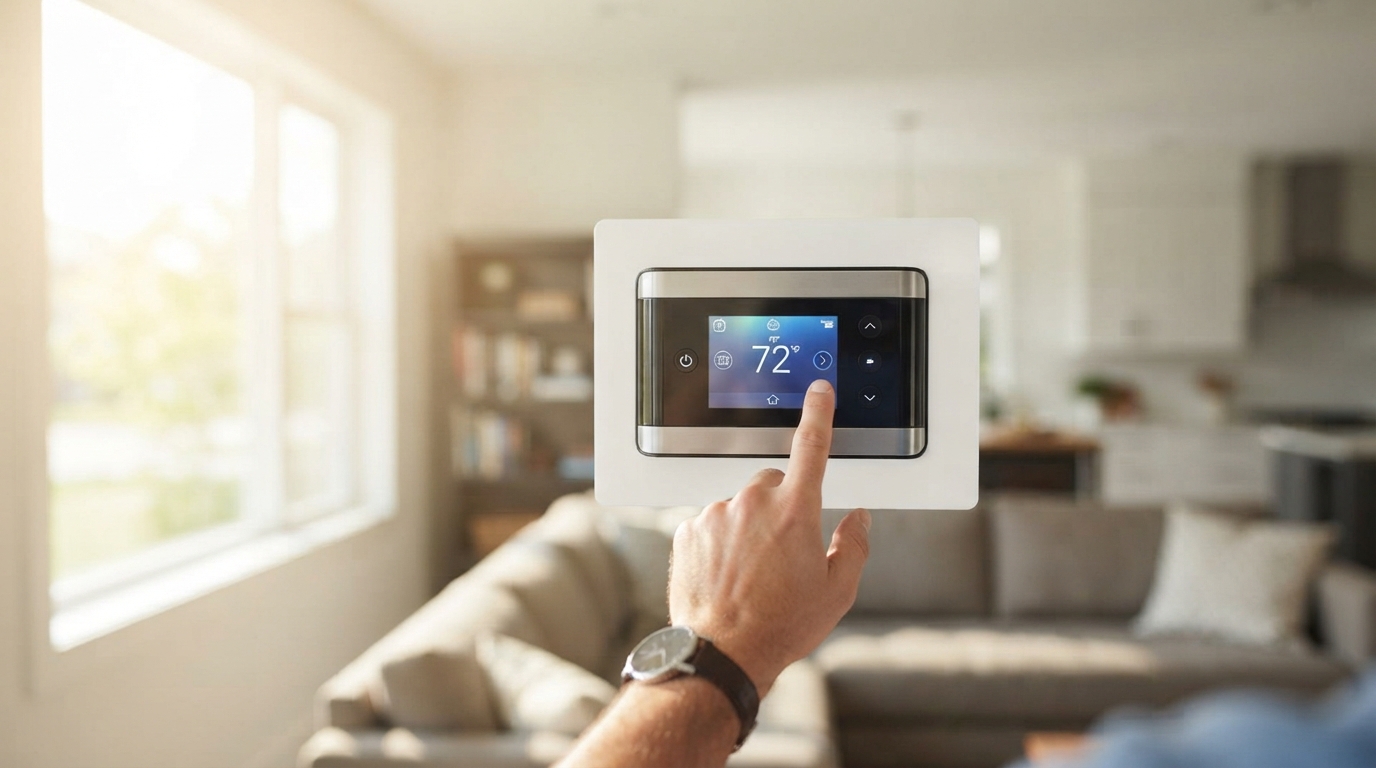
- Smart thermostats can also allow homeowners to monitor energy usage and adapt based on real-time data.
Perspective: Dr. Carla Mendez (Building Scientist)
Dr. Carla Mendez adopts a scientific approach to home climate management. She emphasizes understanding how home insulation, occupancy patterns, and local climate can affect energy consumption. "Homeowners need to be aware that HVAC systems are not one-size-fits-all. Factors such as the size of your home, where you live, and your family's routine all play significant roles in determining the best thermostat settings," she says.
Mendez mentions:
- Zoning systems can be beneficial in larger homes where certain areas may need different temperatures.
- Behavioral patterns should inform thermostat settings, rather than adhering to a strict routine.
Editorial Synthesis
Where Experts Agree
- Homeowners can benefit from adjusting temperatures based on daily patterns.
- Utilizing technology such as smart thermostats can help maximize energy efficiency.
- Regular HVAC maintenance is crucial to avoid breakdowns and high costs.
Where Experts Disagree
- Some believe the 'set it and forget it' method can still work under specific settings, while others argue it invariably leads to inefficiency.
- Perspectives differ on the necessity of smart devices, with some advocating for manual adjustments over reliance on tech.
Why This Matters
In the end, the conversation surrounding thermostat management isn't just about convenience; it's about energy consumption, environmental impact, and ultimately, your wallet. Homeowners should reconsider the 'set it and forget it' mentality and lean more towards a model of active management. Integrating insights from experts like Megan W. Whelan, Tommy Lee, and Dr. Carla Mendez can lead to smarter choices that not only benefit individual households financially but also support larger environmental goals. As homes become smarter and demands for energy efficiency rise, taking a mindful approach to thermostat settings is invaluable.
Was this insight helpful to you?
The Voices
Setting the thermostat to run continuously often leads to increased energy costs. By adjusting it manually, homeowners can optimize their energy usage and lower utility bills.
 HVAC Contractor
Tommy Lee
Balanced Perspective
While 'Set It and Forget It' can be effective for some, I find that aware and engaged homeowners can save more energy and costs by managing their thermostats based on real-time needs.
Reevaluating the 'Set It and Forget It' Approach
A more dynamic approach to thermostat management can enhance energy efficiency and comfort.
References
- Adjusting Your Thermostat for Energy Savings Energy.gov
- Programmable Thermostats ENERGY STAR
- Thermostat Settings: Energy Use and Comfort ASHRAE